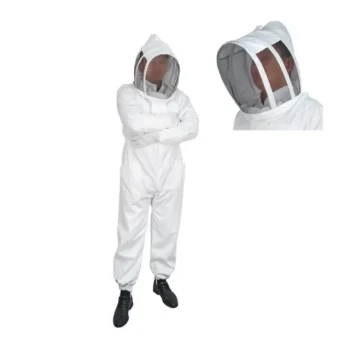
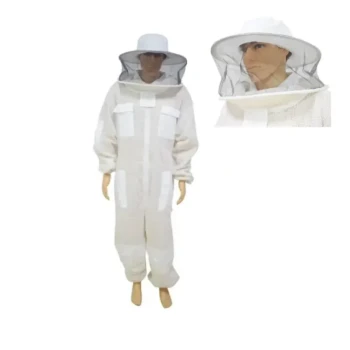
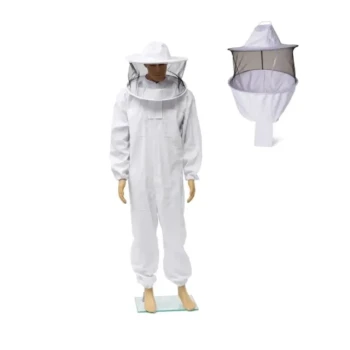
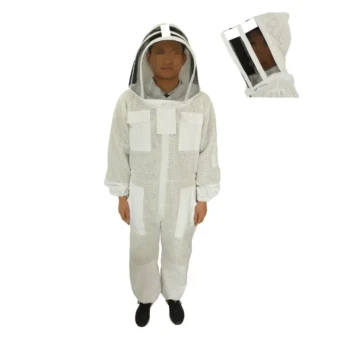
Full-body bee suits and veils function as the primary engineered control for safety in commercial beekeeping. They provide a complete physical isolation barrier that prevents bee stings, ensuring the biological safety of the operator while enabling the precise execution of hive maintenance and honey harvesting tasks.
By decoupling the operator from the immediate physical threat of the colony, this equipment transforms hive management from a high-risk activity into a controlled industrial process. It serves a dual purpose: neutralizing biological hazards and stabilizing the operator's psychological state to ensure efficient workflow.
The Mechanics of Physical Protection
Establishing a Biological Barrier
The most immediate function of the suit and veil is the creation of a sealed environment. By utilizing specialized, puncture-resistant fabrics, the gear physically blocks the stinger from penetrating the operator's skin.
This isolation is critical because honey bee stings deliver apitoxin (bee venom). Reactions to this biological toxin can range from mild irritation to fatal systemic responses, depending on the individual's susceptibility and the volume of stings.
Mitigating Industrial Accident Rates
In commercial operations, the sheer volume of bees increases the statistical probability of defensive behavior from the colony. Industrial-grade protective clothing employs sealed structural designs to minimize these risks.
By significantly reducing the rate of stings, the equipment lowers the frequency of medical emergencies and downtime associated with on-the-job injuries.
Operational Efficiency and Psychological Stability
Eliminating Psychological Interference
Fear is a significant variable in apiary management. Without protection, the natural human reaction to a swarm is anxiety, which can lead to hesitation or erratic movements that further agitate the bees.
The suit reduces this psychological burden. When an operator feels secure, they can approach the colony with composure, maintaining the calm demeanor necessary to keep the bees docile.
Enabling Precision in Management
Complex tasks, such as locating a queen or harvesting honey frames, require fine motor skills and steady hands. The assurance of safety provided by the veil and suit allows the beekeeper to focus entirely on the technical aspects of the task.
This focus results in higher precision during inspections and prevents accidental damage to the colony or the queen during handling.
Understanding the Trade-offs
Balancing Protection and Dexterity
While maximum protection is desirable, thicker puncture-resistant materials can reduce tactile feedback. Beekeepers must balance the need for safety with the need for the manual dexterity required to handle delicate hive components without crushing bees.
Thermal Management Challenges
The same sealing mechanism that excludes bees also restricts airflow. In warm climates or during strenuous harvesting, full-body suits can lead to heat accumulation. Operators must manage work cycles carefully to prevent heat exhaustion while remaining protected.
Making the Right Choice for Your Goal
Selecting the appropriate level of protection depends on the specific operational context and the experience level of the personnel involved.
- If your primary focus is training new staff: Prioritize maximum coverage suits to build confidence and safely determine their physiological tolerance to bee venom.
- If your primary focus is speed and efficiency: Select industrial-grade gear that offers puncture resistance without compromising the flexibility needed for rapid mechanized operations.
Ultimately, the bee suit is not just safety gear; it is an enabling technology that allows for the scalable, scientific management of biological resources.
Summary Table:
| Feature | Primary Function | Operational Benefit |
|---|---|---|
| Biological Barrier | Physical isolation from stings | Prevents apitoxin exposure and medical downtime |
| Psychological Shield | Reduces fear and anxiety | Promotes calm movements and stable workflow |
| Sealed Design | Minimizes entry points | Lowers industrial accident rates in high-density hives |
| Engineered Control | Focus on technical tasks | Increases precision in queen management and harvesting |
Elevate Your Apiary Safety with HONESTBEE
At HONESTBEE, we understand that high-performance protective gear is the foundation of any successful commercial beekeeping operation. As a premier provider for commercial apiaries and distributors, we offer a comprehensive wholesale range of industrial-grade bee suits, veils, and advanced beekeeping machinery designed to maximize both safety and productivity.
From durable puncture-resistant clothing to specialized honey-filling machines and hive-making hardware, we supply the full spectrum of equipment your business needs to scale. Partner with us to equip your team with the best tools in the industry.
Ready to upgrade your commercial setup?
Contact HONESTBEE Today for Wholesale Solutions
References
- Emmanuel Bintaayi Jeil, Michael Adjaloo. Livelihood security along beekeeping value chain: lessons from Ghana’s beekeeping experience. DOI: 10.1007/s10708-019-09982-4
This article is also based on technical information from HonestBee Knowledge Base .
Related Products
- Premium Cotton Beekeeper Suit with Reinforced Fencing Veil
- Premium Three Layer Ventilated Bee Suit with Round Veil
- Professional Cotton Beekeeper Suit with Round Veil Design for Commercial Apiaries
- Professional Beekeeper Suit with Square Folding Cotton Veil
- White Cotton Beekeeping Jacket and Veil for Bee Keepers
People Also Ask
- What material and design specifications are recommended for a high-quality beekeeper suit? Top Gear Selection Guide
- How to Pre-treat Propolis Stains on Beekeeping Suits? Master Advanced Fabric Care and Soil Removal
- What features should be considered for sting protection in a beekeeping suit? Ensure Total Safety and Comfort
- What are the differences between full suits and jackets with veils in beekeeping? Choose Your Best Protection
- What features should be looked for in a beekeeping suit for maximum comfort? Prioritize Ventilation and Fit