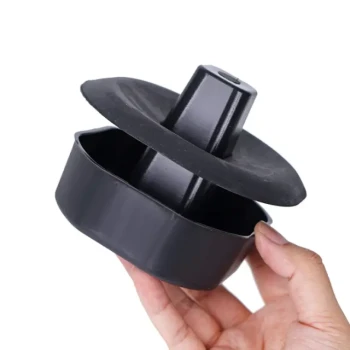
Industrial-grade hive stands act as a critical thermal and structural buffer. Their primary function is to elevate beehives off high-heat urban surfaces, such as black waterproof membranes or asphalt, to disrupt conductive heating and establish essential air circulation at the base of the colony.
By physically isolating the wooden hive components from the rooftop deck, these stands mitigate the extreme temperature fluctuations typical of the "urban heat island" effect while preventing moisture-induced rot.
Managing Thermal Dynamics
Breaking the Heat Bridge
Urban rooftops frequently utilize black tar, asphalt, or dark waterproofing membranes. These materials absorb solar radiation and become significantly hotter than the ambient air.
Placing a hive directly on these surfaces turns the floor into a conductive heater. Industrial-grade stands sever this thermal bridge, preventing the rooftop’s heat from cooking the colony from the bottom up.
Facilitating Convective Cooling
Airflow is the primary mechanism for regulating hive temperature. By elevating the hive, the stand creates a gap between the bottom board and the roof surface.
This open space allows air to circulate beneath the hive. This circulation dissipates radiant heat reflecting off the roof and aids the bees' internal ventilation efforts during peak summer temperatures.
Protecting Equipment Integrity
Preventing Moisture Rot
Rooftops are designed to shed water, but they often develop shallow pools or retain dampness after rain. Wood is porous and will wick moisture if left in contact with a wet surface.
The stand elevates the wooden ware above potential standing water. This elevation is essential for preventing fungal decay and rot at the base of the hive, significantly extending the service life of expensive equipment.
Pest Exclusion
While rooftop environments exclude some predators (like badgers), crawling insects remain a threat. Ants can easily scale buildings and infiltrate hives to steal resources or attack brood.
Hive stands create a "choke point" for access. Specialized stands may incorporate dual barriers, such as oil reservoirs or ash traps, which physically block ants and crawling pests from reaching the hive entrance.
Operational Ergonomics
Improving Inspection posture
Beekeeping requires repetitive lifting of heavy boxes. Doing this at ground level places severe strain on the lower back.
Industrial stands raise the hive to an ergonomic working height. This facilitates safer routine inspections and makes the apiary more accessible for training purposes or group monitoring, which is common in urban projects.
Understanding the Trade-offs
Wind Vulnerability
The primary downside to elevating a hive on an exposed rooftop is wind. A hive on a stand has a higher center of gravity and acts as a "sail" during high gusts.
Stability is paramount. Professional-grade mounting tools or weighted ballast systems are often required to secure the stand, ensuring the setup does not tip over without penetrating the building's roof membrane.
Point Loading Risks
Industrial stands are heavy and concentrate the weight of the hive (which can exceed 100 lbs) onto small contact points (legs).
On a soft bituminous roof, narrow legs can sink into or puncture the waterproof membrane. You must ensure the stand distributes weight effectively or rests on protective pads to maintain the building's structural integrity.
Making the Right Choice for Your Goal
To select the correct stand infrastructure for your rooftop apiary, consider your primary environmental constraints:
- If your primary focus is Thermal Regulation: Prioritize stands with an open-frame design that maximizes air gap height to distance the colony from hot asphalt.
- If your primary focus is Pest Control: Select stands with integrated physical barriers or oil cups to prevent ant incursions without chemical sprays.
- If your primary focus is Equipment Longevity: Ensure the stand legs are capped or wide-footed to prevent sinking into the roof membrane and protecting the stand itself from corrosion.
The goal is to decouple the biological needs of the bees from the harsh physical realities of the built environment.
Summary Table:
| Feature | Primary Function | Key Benefit |
|---|---|---|
| Thermal Isolation | Breaks the heat bridge with rooftop surfaces | Prevents overheating from asphalt/membranes |
| Airflow Gap | Facilitates convective cooling | Assists bees in internal temperature regulation |
| Elevation | Keeps woodenware away from standing water | Prevents fungal decay and extends equipment life |
| Pest Barrier | Creates a choke point for crawling insects | Blocks ant infestations and brood attacks |
| Ergonomic Height | Raises hive to optimal working level | Reduces physical strain during routine inspections |
Elevate Your Urban Beekeeping Success with HONESTBEE
Setting up an apiary on a rooftop requires specialized equipment that can withstand the unique challenges of the urban environment. HONESTBEE specializes in providing commercial apiaries and distributors with high-performance beekeeping tools and machinery designed for durability and efficiency.
From industrial-grade hive stands that protect your colonies from the "heat island" effect to advanced honey-filling machines and custom hive-making hardware, we supply everything needed to scale your operations. Partner with us to access our comprehensive wholesale portfolio and industry-leading expertise.
Ready to optimize your urban apiary? Contact us today to explore our full range of solutions!
References
- Jorge Godoy Román. EL ESPÍRITU DEL ZUMBIDO: ENTREVISTA CON ERIKA MAYR. DOI: 10.56255/ma.v1i21.505
This article is also based on technical information from HonestBee Knowledge Base .
Related Products
- Metal Hive Feet Bee Hive Stand for Ant Protection
- Professional Ant-Proof Beehive Stand with Integrated Moat for Beekeeping
- Plastic Bee Hive Stand for Beekeeping
- Metal Bee Hive Stand Bee Box Stand for Beekeeping
- Professional Grade Foldable Beehive Handles
People Also Ask
- What are the benefits of elevating a bee hive with a stand or base? Protect Your Colony and Your Back
- How does a beehive stand protect against predators and pests? Essential Strategies for Colony Security
- How should the height of a beehive stand be determined? Find Your Ergonomic Sweet Spot
- What to stand a beehive on? The Best Foundation for a Healthy, Manageable Apiary
- How tall should a beehive stand be? Achieve Optimal Hive Health & Beekeeper Comfort