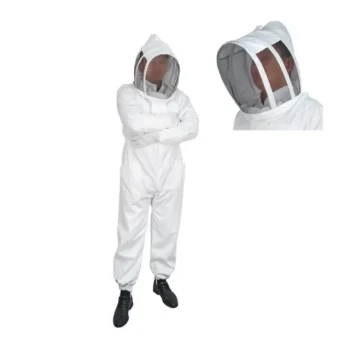
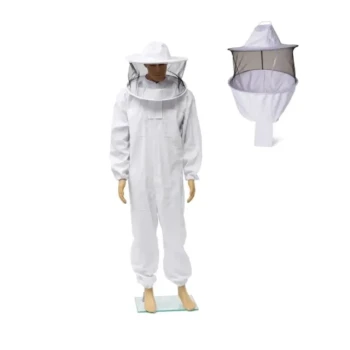
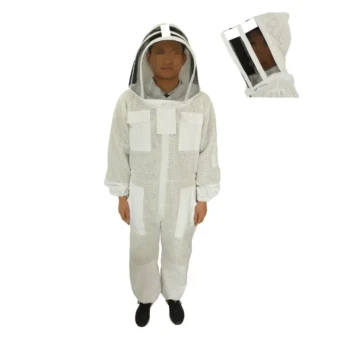
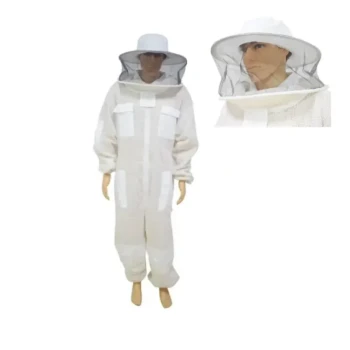
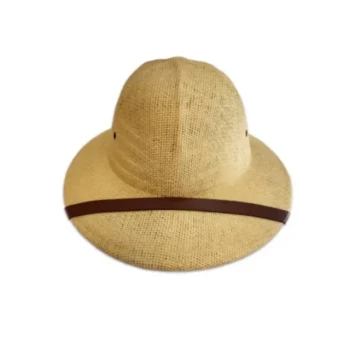
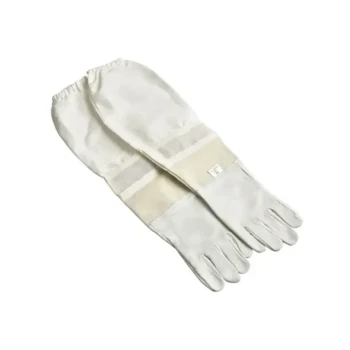
Beekeeping protective suits and veils function as a comprehensive biological safety barrier for forest beekeeping operations. While their most immediate purpose is providing a physical shield against stings, their role extends significantly into behavioral management. The specific white color and texture of the gear are engineered to minimize visual stimulation to the honeybees, thereby maintaining colony stability and preventing production losses caused by hive distress.
Core Takeaway Protective equipment is not just about operator safety; it is a critical component of production efficiency. By minimizing visual triggers for bees and reducing operator anxiety, suits and veils create a calm environment that allows for precise management, directly safeguarding the colony’s productivity.
The Biological Barrier
Minimizing Visual Stimulation
In forest beekeeping, managing the sensory input of the colony is vital. Protective suits are designed with a specific white color and texture to serve as a biological buffer.
Unlike dark colors, which may trigger defensive aggression, this design minimizes visual stimulation. This helps keep the colony calm during invasive harvesting or maintenance tasks.
Preserving Colony Stability
The primary goal of the gear is to prevent "colony distress." When bees are agitated, production halts and energy is diverted to defense.
By utilizing gear that reduces visual antagonism, the operator maintains the colony's natural rhythms. This reduction in stress helps prevent production losses associated with defensive swarming or agitated behavior.
Operational Efficiency and Precision
Enabling Calm Operational Logic
High-quality protective gear allows technicians to maintain "calm operational logic."
Without the immediate fear of stings, an operator can work methodically. This psychological security allows for slower, more deliberate movements, which are less likely to startle the bees than the jerky reactions caused by fear or pain.
Reducing Human Error
A secure working environment directly correlates to a reduction in human error.
When the risk of stings is mitigated, the beekeeper can focus entirely on the technical aspects of hive management. This focus allows for precise handling of combs and queens, ensuring that delicate tasks are performed correctly without rushing.
Streamlining Workflow
Modern bee suits often integrate functional design elements to enhance efficiency.
Many suits feature multiple pockets designed to hold a streamlined set of essential tools. This allows for immediate access to frequently used items during an inspection, reducing the need to step away from the hive or fumble for equipment.
Hygiene and Visibility
Maintaining Apiary Hygiene
Protective clothing serves as a barrier against contamination.
Clean suits help maintain a hygienic environment within the apiary. They prevent the introduction of outside dirt, debris, or contaminants that could compromise the health of the bees or the quality of the honey harvest.
Ensuring Visual Clarity
The veil is a critical component for precision work.
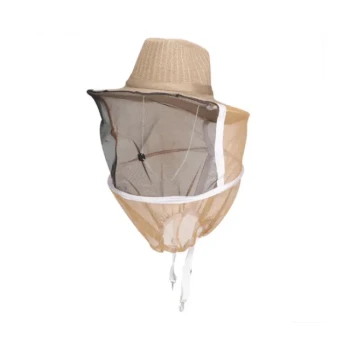
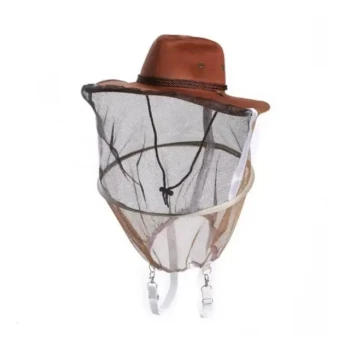
Typically made of silk or high-visibility mesh, the veil provides transparency for clear vision while protecting the face. This clarity is essential for identifying queens, spotting disease, or checking brood health without exposing the operator to facial stings.
Understanding the Limitations
Suit Pockets vs. Full Toolkits
While integrated pockets improve efficiency, they have capacity limits.
References indicate that integrated pockets are best for streamlined tools. As a toolkit grows or becomes more complex, a separate carrier is often required. Relying solely on suit pockets for complex forest operations can lead to overcrowding and reduced mobility.
Protection is Part of a System
Protective suits are not a standalone solution for colony management.
They function best when combined with other management tools, such as bee smokers to mask alarm pheromones and bee brushes to gently move bees. The suit protects the human, but the operator must still use these additional tools to protect the individual bees from accidental crushing or injury.
Making the Right Choice for Your Goal
To maximize the effectiveness of your forest beekeeping operations, select gear based on your specific production needs:
- If your primary focus is Colony Productivity: Prioritize suits with validated white textures and colors to minimize visual stimulation and reduce stress-induced production losses.
- If your primary focus is Operational Speed: Look for suits with strategically placed pockets to keep essential tools at hand, minimizing downtime during inspections.
- If your primary focus is New Operator Training: Ensure the gear offers maximum physical sting protection to reduce anxiety, allowing beginners to develop calm, precise handling habits.
True efficiency in forest beekeeping comes when the operator feels safe enough to work slowly, and the bees remain calm enough to continue working.
Summary Table:
| Function Category | Key Benefit | Technical Implementation |
|---|---|---|
| Biological Barrier | Minimizes colony aggression | White color & specific texture to reduce visual triggers |
| Psychological Safety | Enables calm operational logic | Full-body sting protection to reduce operator anxiety |
| Operational Efficiency | Reduces human error & downtime | Integrated tool pockets & high-visibility mesh veils |
| Sanitation & Health | Maintains apiary hygiene | Physical barrier against external contaminants & debris |
| Colony Stability | Prevents production losses | Reduced stress prevents defensive swarming behaviors |
Elevate Your Commercial Apiary with HONESTBEE
At HONESTBEE, we specialize in empowering commercial apiaries and distributors with professional-grade solutions. Whether you need specialized hive-making machinery, honey-filling equipment, or high-performance beekeeping protective gear, our comprehensive wholesale portfolio is designed to maximize your production efficiency.
Why partner with us?
- Scalable Wholesale Solutions: Full spectrum of tools, machinery, and industry consumables.
- Industry Expertise: Gear engineered to maintain colony stability and minimize production loss.
- Global Distribution: Reliable supply chains for hardware and honey-themed cultural merchandise.
Ready to optimize your workflow and safeguard your colony’s productivity? Contact HONESTBEE today to discuss how our specialized equipment can grow your business!
References
- Richard Okyere-Amoateng, Simon Abugre. Enhancing the Viability of the Modified Taungya System through Bee Keeping. DOI: 10.1080/10549811.2021.1884573
This article is also based on technical information from HonestBee Knowledge Base .
Related Products
- Premium Cotton Beekeeper Suit with Reinforced Fencing Veil
- White Cotton Beekeeping Jacket and Veil for Bee Keepers
- Beekeeping Jacket with Hood and Veil for Beekeepers
- Professional Cotton Beekeeper Suit with Round Veil Design for Commercial Apiaries
- Beekeeper Cowboy Hat and Veil for Beekeeping
People Also Ask
- What material and design specifications are recommended for a high-quality beekeeper suit? Top Gear Selection Guide
- How to Pre-treat Propolis Stains on Beekeeping Suits? Master Advanced Fabric Care and Soil Removal
- What features should be considered for sting protection in a beekeeping suit? Ensure Total Safety and Comfort
- What are the differences between full suits and jackets with veils in beekeeping? Choose Your Best Protection
- What features should be looked for in a beekeeping suit for maximum comfort? Prioritize Ventilation and Fit