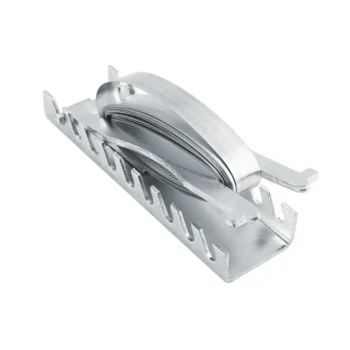
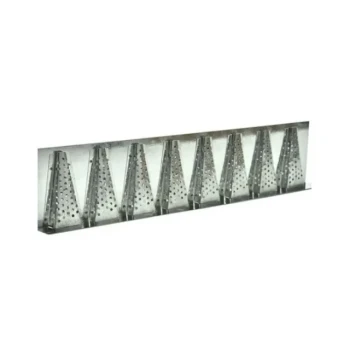
Physical protection devices serve as the primary mechanical defense against the predatory Oriental hornet (Vespa orientalis) in apiary settings. These tools, specifically hive entrance guards and traps, function by physically blocking the predator’s access to the hive and capturing them before they can attack. By securing the perimeter, they directly reduce the predation of foraging bees and prevent the colony from being overrun.
The core function of these devices extends beyond simple blocking; they act as stress-reduction mechanisms that prevent abnormal mortality. By neutralizing the immediate physical threat, they allow the colony to maintain stability and continue essential operations.
The Mechanics of Hive Defense
Blocking Predator Access
The most immediate function of physical protection equipment is to serve as a barrier.
Devices like hive entrance guards are designed to restrict the entry of larger predators like Vespa orientalis. This prevents the hornets from infiltrating the hive interior where they could cause catastrophic damage to the brood and food stores.
Reducing Forager Predation
Beyond protecting the hive interior, these devices aim to secure the perimeter for foraging bees.
By utilizing traps and guards, apiarists reduce the number of active predators hunting outside the hive. This lowers the predation rate of bees returning with resources, which is essential for colony sustenance.
Active Threat Removal
While guards act as shields, traps serve an active removal function.
They capture the predatory natural enemies, physically removing them from the environment. This decreases the overall density of predators threatening the apiary.
Impact on Colony Health and Stability
Alleviating Colony Stress
Constant attacks by Vespa orientalis place a heavy psychological and physiological burden on a bee colony.
Physical protection devices effectively alleviate colony stress by mitigating these attacks. A secure environment allows the colony to focus on internal maintenance and production rather than constant defense.
Lowering Mortality Risks
The ultimate function of these tools is the prevention of abnormal honeybee mortality.
Without physical intervention, predation can lead to unsustainable loss rates. These devices directly lower this risk, ensuring the survival of the colony during peak predator activity.
Understanding the Operational Context
The Necessity of Physical Intervention
It is critical to understand that natural colony defenses are often insufficient against aggressive predators like the Oriental hornet.
Reliance solely on the bees' defensive behavior can lead to abnormal mortality rates. Therefore, the "trade-off" involves introducing artificial physical interventions (guards and traps) to ensure survival, prioritizing mechanical security over a purely natural hive entrance.
Strategic Application for Apiary Security
To effectively utilize physical protection devices, you must align the tool with your specific security objective.
- If your primary focus is Colony Survival: Prioritize entrance guards to create an impenetrable barrier that prevents hornets from entering the hive structure and decimating the population.
- If your primary focus is Resource Stability: Utilize traps to reduce the predator load outside the hive, protecting foraging bees and ensuring a steady flow of nectar and pollen.
By integrating these physical barriers, you convert a vulnerable apiary into a secure environment capable of withstanding predatory pressure.
Summary Table:
| Protection Device | Primary Function | Core Benefit to Apiary |
|---|---|---|
| Entrance Guards | Blocks hornet entry into the hive | Protects brood, honey stores, and queen from attack |
| Traps | Active removal of individual predators | Reduces predator density and protects foraging bees |
| Perimeter Shields | Creates a mechanical barrier | Lowers colony stress and prevents abnormal mortality |
| Strategic Integration | Combined defense system | Ensures long-term colony stability and resource flow |
Secure Your Commercial Apiary with HONESTBEE Professional Solutions
Protecting your livelihood from the devastating impact of Vespa orientalis requires more than just basic tools—it requires a professional-grade defense strategy. At HONESTBEE, we specialize in supporting commercial apiaries and distributors with a comprehensive range of high-performance beekeeping equipment.
From advanced hive entrance guards and specialized hornet traps to large-scale honey-filling machines and hive-making hardware, our wholesale portfolio is designed to enhance your operational efficiency and colony security. We provide the essential consumables and heavy machinery needed to scale your business while keeping your bees safe.
Ready to upgrade your apiary’s defense and productivity? Contact HONESTBEE Today to explore our wholesale machinery and tools tailored for industry professionals.
References
- Amr Farouk Ibrahim Moustafa. ESTIMATING THE LOSSES OF HONEY BEE COLONIES AND THRIR POTENTIAL CAUSES WITHIN THE BEEKEEPERS AT ASSIUT GOVERNORATE (UPPER EGYPT), DURINF THREE YEARS SURVEY BY USING QUESTIONNAIRE METHOD. تقدير الفقد الحادث في طوائف نحل العسل وأسبابه المحتملة لدي مربي النح. DOI: 10.21608/auber.2013.148459
This article is also based on technical information from HonestBee Knowledge Base .
Related Products
- Reusable Clear Small Hive Beetle Traps for Beehives Beetle Trapping Tools
- Black Plastic Beetle Barn Hive Beetle Trap for Beehives
- Removable Washable Hive Beetle Trap Attractants for Small Hive Beetles
- Plastic Beetle Blaster Trap Beekeeping Tools and Supplies
- Reusable Aluminium Beetle Trap for Small Hive Beetles Silver Bullet
People Also Ask
- When and how should disposable traps for small hive beetles be removed? Master Hive Hygiene and Efficiency
- How do small hive beetle traps contribute to colony management? Enhance Diagnostic Accuracy and Protect Hive Health
- What is the recommended number of beetle traps per hive? Optimize Your Hive's Beetle Defense
- What is the recommended approach for managing small hive beetles in warm and tropical climates? Build a Strong Hive Defense
- Why are beetle traps less effective during winter? Seasonal Shifts in Pest Control Explained