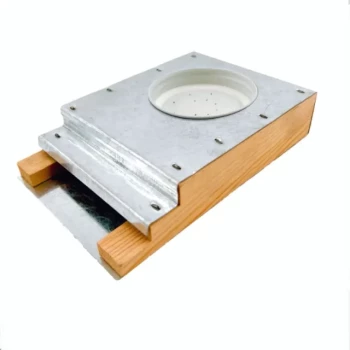
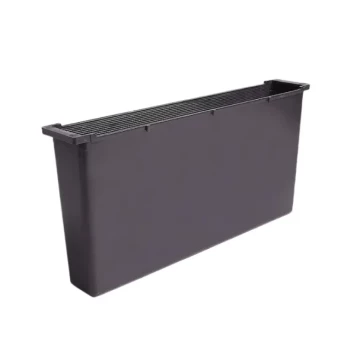
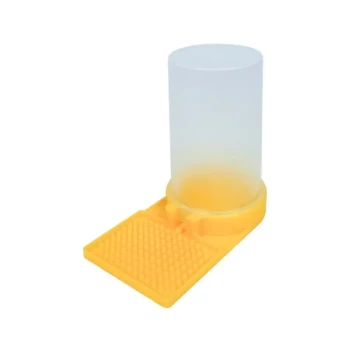
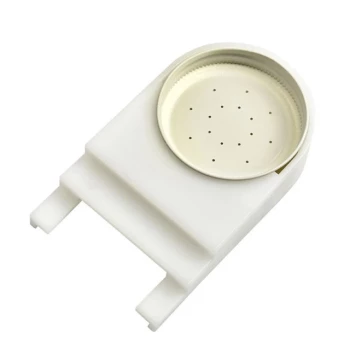
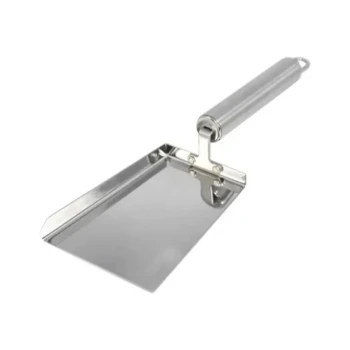
A pollen feeder is a specialized management tool used to supply bees with pollen or high-protein pollen supplements when natural forage is unavailable. These devices are primarily utilized at the very beginning of the brood-rearing season, ensuring the colony has the nutritional resources necessary to expand before spring blooms fully arrive.
Pollen feeders serve as a critical bridge during nutritional gaps, providing the essential protein required for rearing new bees when natural pollen is scarce or weather conditions limit foraging.
The Role of Pollen Feeders
Nutritional Support
Bees require carbohydrates (honey/nectar) for energy and protein (pollen) for physical development. A pollen feeder supplies this protein, which is biologically necessary for nurse bees to produce the food needed for growing larvae.
Bridging the Seasonal Gap
The primary use case for this device is during periods of scarcity. This most often occurs in late winter or early spring, just as the colony attempts to restart its reproductive cycle but before local flora provides sufficient natural pollen.
Placement Strategies
Internal vs. External Options
Pollen feeders are versatile and can be designed for use either inside or outside the hive. Internal feeders keep the food source close to the cluster, which can be beneficial in colder temperatures.
The Case for External Feeding
While internal placement is an option, many experienced beekeepers recommend placing the feeder outside and away from the hive. This mimics natural foraging behavior and keeps the supplemental food distinct from the colony's internal stores.
Accessibility
Regardless of the chosen method, the feeder must be easily accessible to the bees. If the bees cannot reach the supplement efficiently, the colony will not gain the intended nutritional boost.
Understanding the Trade-offs
Weather Vulnerability
One of the main challenges with pollen feeders, particularly external ones, is exposure to the elements. The feeder must be covered or protected from rain and wind.
Moisture Spoilage
Pollen and pollen substitutes can spoil or become unusable if they get wet. Ensuring your feeder has adequate weatherproofing is essential to prevent waste and ensure the colony consumes safe nutrition.
Making the Right Choice for Your Goal
To use a pollen feeder effectively, you must align its deployment with the specific needs of your apiary's environment.
- If your primary focus is stimulating early growth: Deploy the feeder at the immediate start of the brood-rearing season to prevent protein starvation before natural blooms occur.
- If your primary focus is hive hygiene and logistics: Place the feeder outside and away from the hive to separate the supplement from the hive's internal operations.
- If your primary focus is resource conservation: Ensure the chosen location is sheltered from rain and wind to prevent the supplement from spoiling.
Effective pollen feeding transforms a period of scarcity into a head start for a strong, healthy colony.
Summary Table:
| Feature | Internal Pollen Feeder | External Pollen Feeder |
|---|---|---|
| Primary Goal | Direct access for cluster in cold | Mimics natural foraging behavior |
| Best Use Case | Late winter / Early spring frost | Early spring foraging days |
| Weather Protection | High (Protected by hive) | Requires specialized covers |
| Key Benefit | Prevents protein starvation | Keeps hive operations clean |
| Risk Factor | Can disturb colony cluster | Susceptible to moisture/spoilage |
Scale Your Apiary Success with HONESTBEE
As a professional beekeeper or distributor, ensuring colony vitality requires the right tools at the right time. HONESTBEE specializes in supporting commercial apiaries and global distributors with a comprehensive wholesale catalog. From specialized pollen feeders and beekeeping tools to industrial-grade honey-filling machines and hive-making equipment, we provide the full spectrum of hardware and consumables your business needs to thrive.
Ready to optimize your production and supply chain? Contact HONESTBEE today to discuss our wholesale offerings and how our expertise can drive your apiary's growth.
Related Products
- Removable Plastic Pollen Trap With Ventilated Tray for Bees Pollen Collector
- Plastic Bee Pollen Trap Strips Comb Catcher Collector
- 30 cm Plastic Entrance Hole Bee Pollen Trap and Collector
- Stainless Steel Pollen Shovel with Wooden Handle
- HONESTBEE Entrance Bee Feeder Efficient Hive Front Liquid Feeding Solution for Beekeeping
People Also Ask
- What are the design principles and advantages of pollen traps in the collection of bee pollen? Boost Your Apiary Yield
- What is the function of professional pollen traps in evaluating honey plants? Quantifying Pollination and Crop Potential
- What functions do pollen traps serve for bee bread production? Optimize Your Raw Material Collection
- What maintenance and pest prevention measures should be taken for pollen traps? Protect Your Hive and Harvest Quality
- How does the use of pollen traps in honeybee hives enhance crop fertilization? Boost Your Yield Through Induced Activity