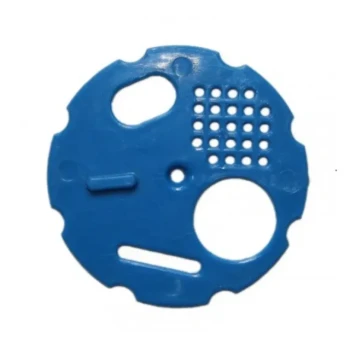
An entrance reducer is a foundational tool for hive management, typically consisting of a notched wooden strip or block. It fits snugly between the bottom board and the first deep super to mechanically restrict the size of the hive's main opening, allowing the beekeeper to control access based on the colony's size and the season.
The entrance reducer acts as a force multiplier for your bees. By narrowing the physical gateway to the hive, it allows small or developing colonies to defend their resources against overwhelming numbers of robbers and pests.
The Mechanics of Hive Defense
Empowering the Guard Bees
A new or small colony often lacks the population density required to guard a full-width hive entrance.
The entrance reducer acts as a bottleneck. By shrinking the entry point, the colony can concentrate its limited number of guard bees in a small area, successfully repelling intruders that would otherwise bypass their defenses.
Preventing Robbing Behavior
During times of nectar dearth, particularly in late summer or fall, strong colonies often attempt to steal honey from weaker ones.
This phenomenon, known as robbing, is a common cause of colony collapse. A reducer is essential during these periods to prevent larger colonies, wasps, or other insects from overpowering the hive and stripping its food stores.
Environmental and Pest Control
Regulating Internal Temperature
Honey bees must maintain specific internal temperatures to rear brood effectively.
In colder months, a wide-open entrance allows heat to escape rapidly, stressing the colony. An entrance reducer minimizes this heat loss, helping the cluster maintain the high internal temperatures required for survival.
Excluding Large Pests
Beyond insects, hives are vulnerable to larger intruders like mice and crickets seeking warmth and shelter.
Installing a reducer creates a physical barrier that is too small for mice to pass through. This is critical in the fall and winter, as a mouse inside the hive can destroy combs and contaminate the colony.
Understanding the Trade-offs
Risk of Overheating and Congestion
While protection is vital, the primary reference highlights a significant disadvantage: crowding.
As a colony grows in population, a restricted entrance can cause a "traffic jam" of foragers trying to enter and exit. This congestion reduces foraging efficiency and can limit necessary airflow during hot weather, potentially leading to overheating.
Material Limitations
Most reducers are made of wood.
While effective for general use, determined pests like mice can sometimes chew through wooden reducers to gain entry. In areas with heavy rodent pressure, a metal mouse guard may be a more effective alternative than a standard wooden reducer.
Making the Right Choice for Your Goal
To maximize hive health, you must adjust the entrance size as conditions change.
- If your primary focus is establishing a new package or nucleus colony: Use the smallest opening to help the small population defend against robbers and conserve heat.
- If your primary focus is overwintering: Install the reducer (or a mouse guard) to minimize drafts and prevent rodents from nesting inside the warm hive.
- If your primary focus is maximum honey production during a nectar flow: Remove the reducer or use the largest opening to prevent congestion and allow unrestricted foraging traffic.
By dynamically adjusting the entrance to match the colony's strength and the season, you provide the physical security your bees need to focus on growth rather than defense.
Summary Table:
| Feature | Purpose | Primary Benefit |
|---|---|---|
| Defense | Concentrates guard bees | Repels robbers, wasps, and hornets |
| Thermoregulation | Minimizes drafts | Helps colony maintain brood heat in winter |
| Pest Control | Physical barrier | Prevents mice and large insects from entering |
| Traffic Management | Adjustable sizing | Balances airflow with colony security |
Scale Your Beekeeping Success with HONESTBEE
As a professional beekeeper or distributor, you know that the right equipment is the difference between a thriving apiary and a lost colony. HONESTBEE is dedicated to supporting commercial apiaries and distributors with a comprehensive range of high-quality beekeeping tools, specialized machinery, and essential consumables.
From durable hive components to advanced hive-making and honey-filling machines, our portfolio is designed to enhance your operational efficiency and output. Partner with us to access wholesale solutions tailored to your business growth.
Ready to upgrade your inventory? Contact us today to explore our full spectrum of beekeeping hardware and cultural merchandise!
Related Products
- Steel Round Disc Entrance Reducer for Flexzion Bee Hive Nuc Box Gate
- Beehive Entrance Reducer Guardian Metal Hive Entrance for Bees
- HONESTBEE Entrance Bee Feeder Professional Hive Nutrition Solution for Beekeeping
- HONESTBEE Entrance Bee Feeder Efficient Hive Front Liquid Feeding Solution for Beekeeping
- Boardman Entrance Bee Feeder Durable Galvanized Steel and Wood Construction for Beekeeping
People Also Ask
- What is the purpose of an entrance reducer for a beehive? Strengthen Colony Defense and Prevent Robbery
- Why are entrance reducers used to counter hornet infestations? Protect Your Hive with Strategic Choke Points
- Why is it critical to maintain a smaller entrance for a newly established bee hive? Boost Colony Growth and Security
- Under what conditions should a beekeeper adjust the size of a beehive entrance? Seasonal & Defense Management Tips
- What is the function of an entrance reducer on a beehive? Strengthen Colony Defense and Climate Control