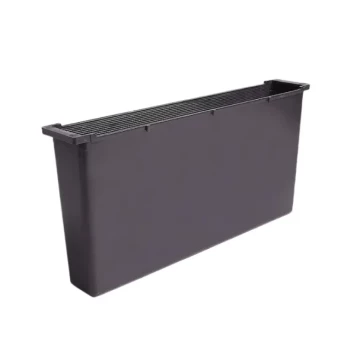
The primary function of a Doolittle feeder in winter management is to enable precise internal feeding that regulates both colony nutrition and population dynamics. Specifically, it is used within Langstroth hives to deliver high-concentration syrup or dietary supplements, such as Abscisic acid (ABA), directly to the bees.
Core Takeaway Beyond simple nutrition, the Doolittle feeder is the key tool for implementing a "blocking technique." This strategy encourages bees to fill open comb cells with syrup, physically restricting the queen’s egg-laying space to conserve colony resources while securing essential energy reserves for the cold months.
The Mechanics of the Blocking Technique
The most distinct strategic advantage of the Doolittle feeder is its role in brood control. This goes beyond simple starvation prevention; it is an active management of the colony's biology.
Restricting the Queen
By delivering high volumes of syrup internally, beekeepers trigger the workers to backfill the brood nest.
The bees fill empty hive cells with the provided syrup, effectively removing the physical space required for the queen to lay eggs.
Conserving Colony Energy
Restricting egg-laying is critical because rearing brood in winter is energy-expensive.
By halting brood production, the colony does not need to maintain the high hive temperatures required for larvae, allowing them to conserve energy solely for their own survival.
Nutritional Management and Delivery
While blocking is the strategic function, the feeder also serves as the primary vessel for life-sustaining nutrition and medication.
High-Concentration Energy Delivery
The feeder provides a method to deliver high-concentration sucrose syrup, which acts as an essential energy compensation for nectar scarcity.
This concentrated energy supply increases the worker bees' tolerance to low temperatures and improves overall overwintering survival rates.
Systemic Delivery of Supplements
The syrup in a Doolittle feeder acts as an effective carrier for systemic treatments, such as ABA, probiotics, or nanoscale cerium dioxide.
Because the syrup is stored and consumed over the long broodless winter period, these active ingredients remain distributed uniformly throughout the colony, providing long-term physiological benefits.
Understanding the Trade-offs
While the Doolittle feeder is effective, the composition of the feed used within it determines success or failure. Using the wrong inputs can damage the colony's health.
The Importance of Purity
It is critical to use refined, high-purity syrups rather than raw or impurity-laden mixtures.
Solid impurities in the feed can cause significant digestive or excretion difficulties (dysentery) for bees during winter confinement when they cannot leave the hive to defecate.
The Protein Balance
You must ensure the carbohydrate feed is low in protein during the deep winter months.
While energy is needed, excess protein can inadvertently stimulate the bees to rear brood too early, negating the benefits of the blocking technique and exhausting the colony's stores.
Making the Right Choice for Your Goal
When implementing a Doolittle feeder strategy, tailor your approach to the specific needs of your apiary's climate and colony strength.
- If your primary focus is preventing starvation: Prioritize high-concentration sucrose syrup to maximize energy stores and wax secretion for honeycomb repair.
- If your primary focus is brood control: aggressive feeding is required to ensure the brood nest is "blocked out" with syrup, physically preventing the queen from laying winter eggs.
- If your primary focus is colony health: Utilize the syrup as a carrier for probiotics or supplements to maintain gut microecology in the absence of natural honey enzymes.
Effective wintering relies not just on feeding, but on using the feed to dictate the colony's biological rhythm.
Summary Table:
| Strategic Function | Mechanism | Primary Benefit |
|---|---|---|
| Brood Control | Backfilling comb cells with syrup | Restricts queen's laying space to conserve colony energy |
| Energy Supply | Delivery of high-concentration sucrose | Provides critical energy stores to withstand low temperatures |
| Health Delivery | Carrier for ABA, probiotics, or supplements | Ensures uniform, long-term systemic distribution of treatments |
| Biological Rhythm | Eliminates larval heating requirements | Shifts colony focus from brood rearing to winter survival |
Optimize Your Winter Management with HONESTBEE
Maximize your apiary's productivity and survival rates with professional-grade equipment from HONESTBEE. As a premier partner for commercial apiaries and global distributors, we provide a full spectrum of high-quality beekeeping tools—from precision Doolittle feeders and hive-making machinery to advanced honey-filling systems and essential industry consumables.
Whether you are scaling a commercial operation or stocking your distribution network, HONESTBEE delivers the hardware and cultural merchandise you need to thrive. Let us help you refine your wintering strategy with tools built for efficiency and durability.
Connect with our wholesale experts today to request a quote
References
- Nicolás Szawarski, Pedro Negri. Effect of Abscisic Acid (ABA) Combined with Two Different Beekeeping Nutritional Strategies to Confront Overwintering: Studies on Honey Bees’ Population Dynamics and Nosemosis. DOI: 10.3390/insects10100329
This article is also based on technical information from HonestBee Knowledge Base .
Related Products
- In-Hive Dual Compartment Frame Bee Feeder for Targeted Colony Nutrition
- 3.5L Plastic Beehive Frame Feeder Deep Frame Water Feeder for In Hive Use
- Rapid Bee Feeder White Plastic 2L Round Top Feeder for 8 or 10-Frame Bee Hives
- Professional Hive Top Bee Feeder for Beekeeping
- HONESTBEE Entrance Bee Feeder Efficient Hive Front Liquid Feeding Solution for Beekeeping
People Also Ask
- What are the advantages of using a frame feeder for bee colonies? Boost Growth and Prevent Robbing Efficiently
- Why should sugar syrup or dry sugar not be left out in the open when feeding bees? Avoid a Dangerous Feeding Frenzy
- What precautions should be taken when feeding bees inside the hive? Safeguard Your Colony from Robbing and Leaks
- How do in-hive feeders support honey bee colonies during autumn? Ensure Overwintering Success for Your Apiary
- How do high-quality in-hive feeders assist in managing bee colonies during pesticide contamination? Protect Your Apiary