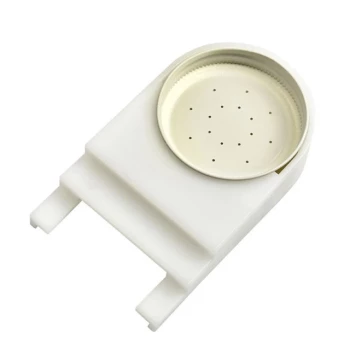
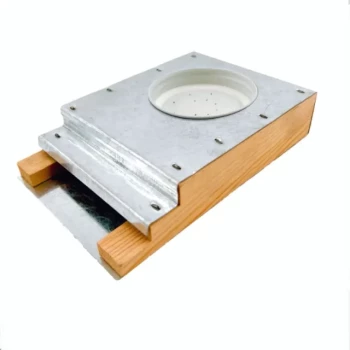
For commercial apiaries, the top-mounted hive feeder is a precision tool used to deliver high-volume nutritional supplements and probiotics directly to the colony. During the autumn stimulative feeding phase, these feeders simulate a natural nectar flow, which triggers the queen to increase egg-laying and ensures a robust population of young bees for winter survival. By providing a controlled environment for intake, they simultaneously protect the hive’s thermal integrity and prevent resource theft by competing colonies.
The Core Takeaway: A top-mounted feeder serves as a vital bridge between natural forage seasons, allowing commercial operators to standardize colony health through efficient, high-capacity nutrient delivery that maintains hive temperature and prevents robbing.
Stimulating Brood Rearing for Winter Prep
Triggering the Queen’s Reproductive Instinct
The primary function of the feeder in autumn is "stimulative" feeding, using specific syrup-to-water ratios (often 1:1) to mimic a late-season nectar flow. This influx of nutrients signals to the queen that resources are abundant, inducing her to lay more eggs even as natural supplies dwindle.
Ensuring a Healthy "Winter Bee" Population
The goal is to produce a large cohort of "winter bees"—individuals with higher fat stores and longer lifespans. The feeder ensures that larvae receive consistent nutrition, which is essential for the colony to maintain a sufficient cluster size to survive the coldest months.
Efficient Probiotic and Nutrient Delivery
Commercial feeders are designed to deliver more than just sugar; they are the primary vehicle for probiotics and plant extracts. These supplements support the honeybee’s gut health and immune system, preparing them for the stressors of overwintering and early spring pollination.
Thermal Regulation and Colony Security
Maintaining Internal Hive Temperatures
Top-mounted feeders are strategically placed under the hive cover, allowing bees to access syrup without leaving the warmth of the cluster. This design minimizes heat loss, which is critical during autumn when external temperatures begin to fluctuate and drop.
Preventing Resource Robbing
During periods of natural resource scarcity, colonies are prone to "robbing" by foreign bees. Because the feeder is enclosed within the hive’s structure, the scent of the syrup is contained, significantly reducing the risk of attracting predators or competing foragers.
All-Weather Feeding Capability
Unlike entrance feeders, top-mounted systems allow bees to feed even during inclement weather or cold snaps. This ensures a continuous intake of medications or nutrients, preventing the "boom and bust" cycles that can weaken commercial stocks.
Commercial Scalability and Management
Large-Volume Capacity for Industrial Use
For distributors and large-scale apiaries, the capacity of the feeder is a key logistical factor. High-volume top feeders allow for fewer site visits, enabling operators to provide several liters of syrup in a single application, thereby reducing labor costs.
Standardized Nutritional Supplementation
The use of top feeders facilitates a standardized approach to colony management across thousands of hives. This consistency is vital for commercial operations that require uniform colony strength for almond pollination or other high-stakes agricultural contracts.
Understanding the Trade-offs and Pitfalls
The Necessity of Frequent Monitoring
While top feeders hold large volumes, they can be "out of sight, out of mind." If a feeder runs dry during a critical stimulative window, the queen may stop laying abruptly, undoing weeks of preparation.
Risk of Fermentation and Mold
Liquid supplements stored in top feeders are susceptible to fermentation if not consumed quickly or if the hive is weak. Resellers must ensure they provide feeders made from food-grade, easy-to-clean materials to prevent the buildup of pathogens that could compromise colony health.
Structural Weight Considerations
A fully loaded top feeder can add significant weight to the top of the hive stack. This requires a stable hive stand and careful handling by apiary staff to avoid crushing bees or causing structural instability during inspections.
Sourcing the Right Equipment for Your Portfolio
Strategic Advice for Wholesalers and Distributors
When selecting hive feeders for your B2B inventory, focus on durability and thermal efficiency. Your clients need equipment that supports rapid colony growth while minimizing the labor-intensive nature of autumn feeding.
- If your primary focus is rapid order fulfillment: Partner with a supplier that maintains a deep, full-spectrum product portfolio to ensure immediate availability during the critical autumn window.
- If your primary focus is client success and retention: Prioritize feeders with integrated ladders or textured surfaces that prevent bee drowning, as this directly impacts the customer's bottom line.
- If your primary focus is operational efficiency for large apiaries: Offer high-capacity top-box models that allow for "quick-look" level checks without fully opening the hive.
Selecting high-performance top-mounted feeders is a strategic investment that empowers commercial beekeepers to secure colony health and maximize spring productivity.
Summary Table:
| Key Function | Mechanism | Commercial Benefit |
|---|---|---|
| Stimulative Feeding | Mimics nectar flow (1:1 syrup) | Triggers queen to boost brood rearing for winter |
| Nutrient Delivery | Vehicle for probiotics & supplements | Enhances gut health and overwintering immunity |
| Thermal Integrity | Internal placement under cover | Minimizes heat loss during autumn temperature drops |
| Security & Safety | Enclosed design | Prevents resource robbing and reduces bee drowning |
| Labor Efficiency | High-volume capacity | Fewer site visits and standardized management |
Partner with HONESTBEE for Your Wholesale Beekeeping Needs
Are you looking to scale your inventory with high-performance beekeeping equipment? HONESTBEE is your premier one-stop sourcing partner, catering specifically to distributors, wholesalers, and commercial apiaries.
We provide a comprehensive, full-spectrum product portfolio, including:
- Specialized Machinery: Hive-making and honey-filling machines.
- Essential Hardware: High-capacity top-mounted feeders, tools, and durable equipment.
- Industry Consumables: A wide array of essentials to keep operations running smoothly.
Why Choose HONESTBEE?
- Deep Industry Expertise: Professional guidance to ensure you stock the right products for your market.
- Rapid Fulfillment: Ultra-fast delivery and efficient order processing to meet critical seasonal windows.
- Unmatched Service: Dedicated support focused on maximizing your profit margins and supply reliability.
Boost your B2B offerings with equipment designed for durability and colony success. Contact our expert team today to discuss our wholesale opportunities and OEM/ODM support!
References
- S.V. Skrypnyk. Influence of probiotic stimulating feeds on the physiological state and winter hardness of bee families. DOI: 10.32782/2226-0099.2025.143.2.28
This article is also based on technical information from HonestBee Knowledge Base .
Related Products
- HONESTBEE Square Top Hive Bee Feeder Top Bee Feeder
- Professional Hive Top Bee Feeder for Beekeeping
- HONESTBEE Professional Hive Top Bee Feeder Feeding Solution
- HONESTBEE Round Hive Top Bee Feeder for Syrup
- Rapid Bee Feeder White Plastic 2L Round Top Feeder for 8 or 10-Frame Bee Hives
People Also Ask
- How does a bee hive top feeder work? A Guide to Efficient, Protected Feeding
- What is the structural design and placement of a beehive top feeder? Optimize Your Apiary's Feeding Efficiency
- How to use a top feeder in a beehive? A Guide to Effective Beehive Feeding
- What is a top feeder and how is it designed? Maximize Hive Feeding Efficiency
- How do you use a top feeder for bees? Expert Guide to Installation and High-Volume Hive Feeding