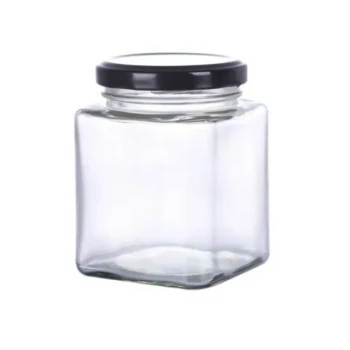
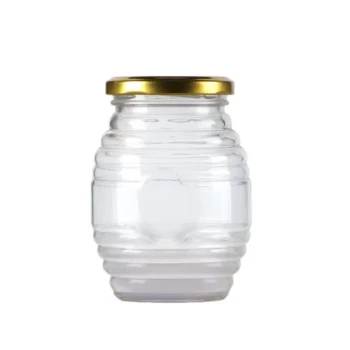
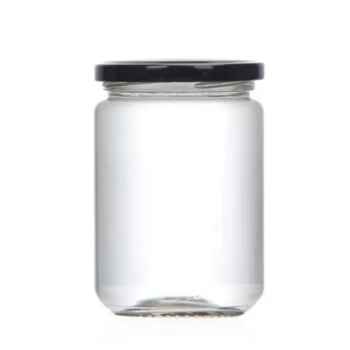
The inverted glass jar serves as a precision top-mounted feeder. Its primary function is to deliver medicated syrup to honeybee colonies using a vacuum pressure differential, allowing bees to access the liquid through a perforated lid while preventing uncontrolled leakage.
Effective Nosemosis treatment requires more than just the presence of medication; it demands consumption. This method ensures the colony ingests a specific quantity of treatment, facilitating uniform distribution before the critical overwintering period.
The Mechanics of Delivery
Utilizing Vacuum Pressure
The core principle behind this feeder is the vacuum pressure differential. When the jar is filled with syrup and inverted, a vacuum forms inside the glass.
This vacuum holds the liquid in place against gravity. The liquid does not drip freely; it is only released when the bees actively suck it through the porous lid.
The Role of the Porous Lid
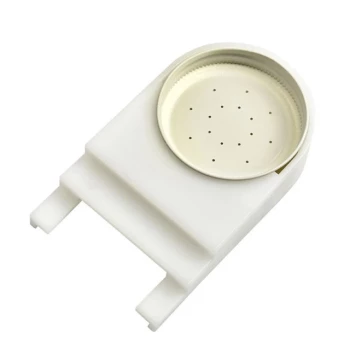
The lid acts as the interface between the medication and the colony. It is perforated with small holes that allow bees to access the syrup.
The size and number of these pores are critical. They must be large enough for bees to feed but small enough to maintain the vacuum seal that prevents the syrup from flooding the hive.
Strategic Advantages in Nosemosis Treatment
Precise Quantitative Delivery
Treating Nosemosis, often with medications like Fumagillin, requires strict dosage adherence. The inverted jar method provides a distinct advantage here.
Because the syrup is contained in a glass vessel, the beekeeper can visually monitor exactly how much medication has been consumed. This ensures the colony receives the full, necessary dose.
Uniform Distribution
For the treatment to be effective, the medication must reach the majority of the population.
As bees access the syrup from the top-mounted feeder, they engage in trophallaxis (food sharing). This process facilitates the uniform distribution of the active ingredients throughout the entire colony.
Timing for Overwintering
This feeding system is specifically optimized for the pre-winter season.
By ensuring rapid and controlled uptake of the medicated syrup, the colony is properly prepared and medicated before entering the dormant overwintering phase.
Understanding the Operational Dependencies
Reliance on the Vacuum Seal
The system’s effectiveness is entirely dependent on maintaining a proper vacuum.
If the jar is not sealed correctly against the lid, or if the glass is cracked, the vacuum will fail. This results in the medication leaking directly into the hive, potentially drowning bees or causing an overdose, rather than allowing for controlled feeding.
Accessibility Issues
The perforated lid can become a point of failure if not maintained.
If the pores in the lid become clogged—either by crystallized syrup or debris—the bees will be unable to access the medication. This halts the treatment process, leaving the colony vulnerable to Nosemosis despite the presence of a feeder.
Making the Right Choice for Your Goal
When managing Nosemosis, the method of application is as important as the medication itself.
- If your primary focus is Dosage Accuracy: Use the inverted glass jar to visually verify that the specific volume of medicated syrup is fully consumed by the bees.
- If your primary focus is Colony-Wide Protection: Rely on this top-feeding method to promote the natural food-sharing behaviors that spread the treatment to every member of the hive.
Success in treating Nosemosis hinges on the controlled, verifiable uptake of medication that the inverted jar mechanism provides.
Summary Table:
| Feature | Function in Treatment | Benefit for the Colony |
|---|---|---|
| Vacuum Pressure | Prevents syrup leakage and flooding | Ensures safe, controlled feeding environment |
| Porous Lid | Acts as the interface for bee access | Controls flow rate to match colony consumption |
| Glass Visibility | Allows for visual monitoring of levels | Verifies exact dosage and medication uptake |
| Top-Mount Design | Encourages trophallaxis (food sharing) | Facilitates uniform distribution of treatment |
Maximize Your Colony Health with HONESTBEE Solutions
Effective Nosemosis management requires precision tools that guarantee results. HONESTBEE supports commercial apiaries and distributors with high-quality beekeeping equipment designed for professional use. From specialized honey-filling machines to durable hive-making hardware and precision feeders, our comprehensive wholesale offering ensures your operation runs at peak efficiency.
Why partner with HONESTBEE?
- Full Spectrum Supply: Access everything from essential industry consumables to advanced beekeeping machinery.
- Commercial Expertise: We cater specifically to the needs of large-scale operations and global distributors.
- Quality Assurance: Durable tools designed to withstand the rigors of professional apiculture.
Ready to elevate your beekeeping business? Contact us today to explore our wholesale catalog and see how our tailored equipment solutions can drive your success.
References
- Sarah Biganski, Elemir Simko. Fall Treatment with Fumagillin Contributes to an Overwinter Shift in Vairimorpha Species Prevalence in Honey Bee Colonies in Western Canada. DOI: 10.3390/life14030373
This article is also based on technical information from HonestBee Knowledge Base .
Related Products
- Inverted Squeezable Honey Jar with No Drip Flip Top Cap for Easy Pouring
- Classic Boardman Entrance Bee Feeder Hive Front Feeding Solution
- Hexagonal Glass Honey Jars with Metal Lug Caps Elegant Versatile Packaging
- Hexagonal Glass Honey Jar with Wooden Lid Integrated Dipper Elegant Functional Storage
- Automated Rotary Bottle Unscrambler for Honey Production Line
People Also Ask
- What are the benefits of squeeze bottles for honey packaging? Unlock Mess-Free Convenience & Control
- What are some common types of jars used for honey packaging? Choose the Best Styles to Boost Your Brand
- How many jars of honey can you get from a hive? Maximize Your Yield with Strong Hive Management
- What cleaning practices are crucial for the effective sealing of honey jars? Ensure Maximum Product Shelf Life
- Why is it important to distinguish between weight and volume when selecting honey containers? Maximize Profits Now