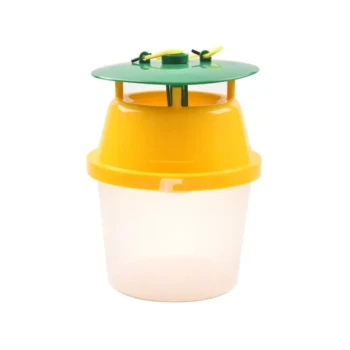
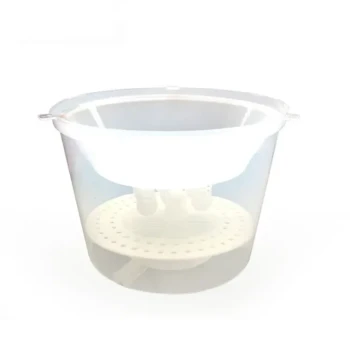
Bottom-mounted pollen traps function as the primary mechanical interface for automated, large-scale pollen harvesting. Installed at the hive entrance, these devices utilize a grid with specific pore sizes to physically strip pollen pellets from the hind legs of returning worker bees. This process captures the raw material immediately upon entry, diverting it into a secure collection drawer while minimizing the introduction of external impurities.
Core Insight: Bottom-mounted traps are the industry standard for balancing high-volume collection efficiency with raw material purity, serving as the critical "checkpoint" that allows for pollen harvesting with minimal disruption to bee flight patterns compared to top-mounted alternatives.
The Mechanics of Physical Interception
Precision Grid Architecture
The core function of the trap relies on a calibrated pore size design.
As foraging bees return to the hive, they are forced to navigate through specific apertures in a grid.
The Stripping Mechanism
This physical barrier is designed to gently scrape pollen loads from the bee’s pollen baskets (corbiculae) on their hind legs.
Because the aperture is sized precisely for the bee but not the pollen load, the pellets are dislodged without harming the insect.
Automated Separation
Once separated, the pollen pellets fall immediately into a collection drawer located beneath the grid.
This provides a passive, automated method for separating the resource from the carrier, eliminating the need for manual extraction from the hive frames.
Optimizing for Scale and Purity
High-Volume Efficiency
Bottom-mounted traps are essential tools for industrial-scale production.
They transform pollen collection from a manual task into a continuous, automated process, ensuring a consistent supply of raw material for processing.
Maintaining Raw Material Cleanliness
By intercepting pollen at the entrance, the trap prevents the material from entering the hive environment where it could be contaminated.
This ensures high purity by reducing the introduction of hive debris or other external impurities into the final product.
Understanding the Trade-offs
Impact on Flight Frequency
While all traps create a barrier, bottom-mounted traps generally cause less interference with bee flight frequency compared to top-mounted alternatives.
However, they still represent a physical obstacle that modifies the natural entry flow of the colony.
Resource Depletion vs. Collection
The primary function of the trap is to prevent bees from consuming specific batches of pollen.
While this allows for harvest, it requires careful management to ensure the colony retains enough protein for its own brood rearing and survival.
Applications Beyond Production
Environmental Monitoring
These traps provide the essential raw material for palynological studies (identifying plant species).
Researchers use the collected pellets to assess floral resource abundance and monitor foraging activities across different landscapes.
Safety and Contamination Analysis
The fresh pollen collected is critical for pesticide residue analysis.
By isolating pollen loads immediately, scientists can accurately verify if bees have been exposed to treated crops and determine the extent of chemical exposure.
Making the Right Choice for Your Goal
When integrating pollen traps into your apiary management, consider your primary objective:
- If your primary focus is Industrial Production: Utilize bottom-mounted traps to maximize automated collection volume while maintaining the cleanliness required for commercial bee products.
- If your primary focus is Environmental Research: Deploy these traps for precise, time-specific sampling to monitor floral diversity and pesticide exposure without significantly altering bee flight behavior.
Bottom-mounted traps act as the definitive gateway for modern pollen analysis and production, converting biological foraging into measurable, harvestable data.
Summary Table:
| Feature | Function & Impact |
|---|---|
| Mechanism | Calibrated grids strip pollen pellets from worker bee hind legs |
| Automation | Passive collection into drawers for high-volume, continuous harvesting |
| Purity Control | Intercepts pollen at the entrance to minimize hive debris contamination |
| Bee Impact | Minimizes flight disruption compared to top-mounted trap alternatives |
| Applications | Industrial production, palynological research, and pesticide analysis |
Scale Your Pollen Production with HONESTBEE Precision Equipment
At HONESTBEE, we specialize in empowering commercial apiaries and global distributors with the professional tools needed to dominate the market. Our comprehensive wholesale catalog features everything from high-efficiency bottom-mounted pollen traps and beekeeping machinery to advanced honey-filling systems and hive-making hardware.
Whether you are looking to automate your harvesting process, ensure the highest raw material purity, or expand your inventory with premium consumables and honey-themed cultural merchandise, our team provides the industry expertise and scale you require.
Ready to optimize your apiary’s efficiency? Contact us today to discuss our wholesale offerings and discover how our specialized equipment can drive your business growth.
References
- Yusuf Can Gerçek, Sinan Bayram. Screening of Plant Pollen Sources, Polyphenolic Compounds, Fatty Acids and Antioxidant/Antimicrobial Activity from Bee Pollen. DOI: 10.3390/molecules27010117
This article is also based on technical information from HonestBee Knowledge Base .
Related Products
- 30 cm Plastic Entrance Hole Bee Pollen Trap and Collector
- Removable Plastic Pollen Trap With Ventilated Tray for Bees Pollen Collector
- Plastic Bee Pollen Trap Strips Comb Catcher Collector
- High-Efficiency Diamond Maze Bee Escape for Clearing Supers
- Langstroth Screen Bottom Board for Beekeeping Wholesale
People Also Ask
- What are the design principles and advantages of pollen traps in the collection of bee pollen? Boost Your Apiary Yield
- Why is frequent harvesting of bee pollen from traps necessary for quality control? Ensure Freshness and Prevent Mold.
- How often should bee pollen be harvested from a trap and why? Master Freshness and Prevent Spoilage
- What function do pollen traps serve in quantitative collection? Boost Your Apiary's Data & Production Efficiency
- What is the primary function of bee pollen traps? Optimize Your Pollen Harvest with Advanced Extraction Efficiency