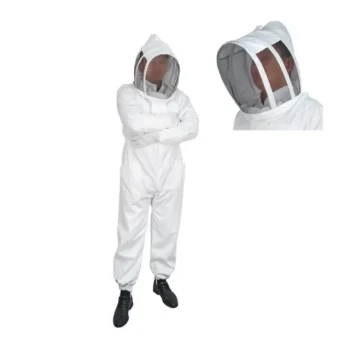
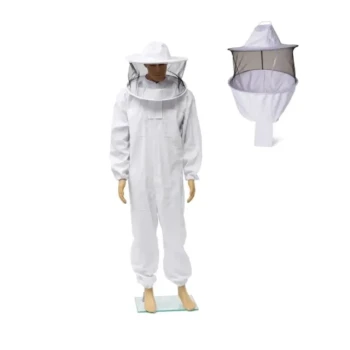
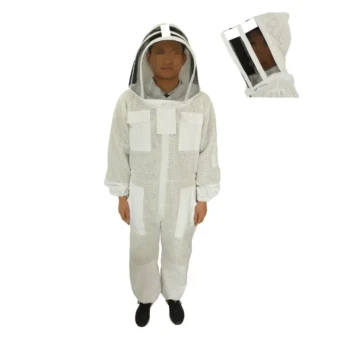
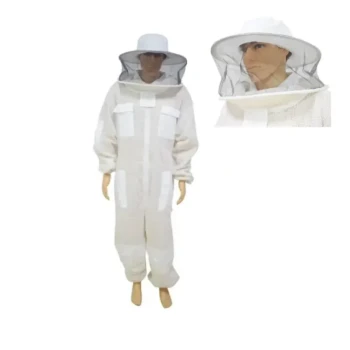
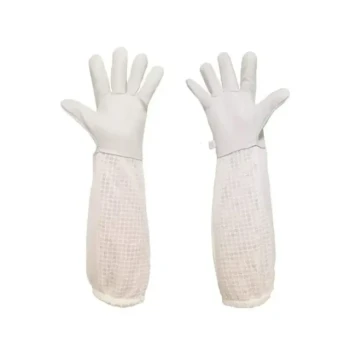
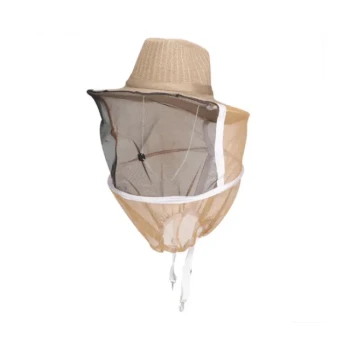
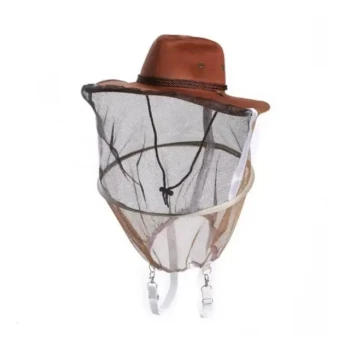
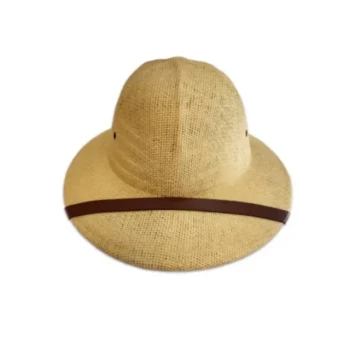
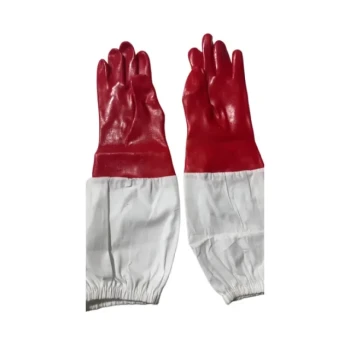
Professional full-body beekeeping suits function as a critical physical barrier designed to shield operators from mass attacks by highly defensive colonies. Specifically, when managing species like Apis mellifera jemenitica in tropical or low-altitude regions, these industrial-grade suits allow beekeepers to conduct essential hive inspections and brood management during daylight hours despite the bees' low attack thresholds.
Highly aggressive bee species possess defense mechanisms that overwhelm standard protective gear. The central value of a professional full-body suit is not just injury prevention, but the operational ability to perform intricate husbandry tasks in environments where high-intensity stinging is a guaranteed reaction.
Understanding the Defensive Challenge
The Attack Threshold of Apis mellifera jemenitica
Certain bee species, particularly in low-altitude and tropical zones, exhibit what is known as a low attack threshold. This means the colony reacts faster and more aggressively to minor disturbances than standard breeds.
The Necessity of a Total Barrier
Unlike docile species where a veil might suffice, Apis mellifera jemenitica often launches mass attacks. The full-body suit provides a sealed environment, ensuring that the intense stinging behavior does not result in physical harm to the operator.
Enabling Daylight Operations
Without industrial-grade protection, managing aggressive colonies would often be restricted to times of low activity or poor visibility. The suit grants the beekeeper the confidence to perform inspections during the day, when light conditions are optimal for assessing brood health.
The Role of Equipment in Colony Management
Integration with Chemical Control
While the suit provides physical defense, it works in tandem with the beekeeping smoker. Smokers emit cool, dense smoke to mask alarm pheromones and induce a feeding response that calms the bees.
The Safety Failsafe
However, smoke is not always sufficient for highly aggressive genetics. In these scenarios, the full-body suit acts as the ultimate failsafe, allowing work to continue even when chemical pacification fails to fully suppress the colony's defensive response.
Supporting Modern Husbandry
Modern beekeeping relies on movable-frame systems and modular hive designs to maximize yields. To utilize these tools effectively with aggressive species, the operator must remain stationary and focused for extended periods, which is only possible when fully protected from stings.
Understanding the Trade-offs
Thermal Management Risks
The primary reference notes that these bees thrive in tropical climates. Wearing a heavy, industrial-grade full-body suit in high heat creates a significant risk of heat stress or exhaustion for the beekeeper.
Dexterity Limitations
To provide a barrier against intense stinging, these suits often utilize thick, multi-layered materials. This offers superior protection but can compromise manual dexterity, making the manipulation of frames or queen cages more difficult compared to lighter gear.
Making the Right Choice for Your Management Strategy
When selecting protective equipment, you must balance the aggression level of your specific apiary against environmental factors.
- If your primary focus is managing highly defensive species: Prioritize industrial-grade full-body suits to neutralize the risk of mass attacks common in low-altitude, tropical lineages.
- If your primary focus is standard colony maintenance: Utilize a smoker effectively to mask pheromones, which may allow for lighter protective gear with more docile breeds.
True safety in beekeeping comes from matching your protective infrastructure to the specific behavioral intensity of your colony.
Summary Table:
| Feature | Function in Aggressive Bee Management | Benefit |
|---|---|---|
| Full-Body Coverage | Creates a total physical seal against mass attacks | Prevents injury during high-intensity stinging |
| Industrial-Grade Material | Provides a multi-layered barrier bees cannot penetrate | Enables safe handling of low-threshold defensive colonies |
| Integrated Seal Design | Prevents bees from entering the suit at joints/seams | Allows beekeepers to remain focused on colony husbandry |
| Operational Support | Permits daylight inspections in tropical zones | Improves brood assessment and hive management accuracy |
Elevate Your Apiary Safety with HONESTBEE
Managing highly aggressive bee species requires more than just standard gear; it demands industrial-strength protection. HONESTBEE specializes in catering to commercial apiaries and distributors with a comprehensive wholesale offering designed for the toughest environments. From professional-grade full-body suits that ensure operator safety during mass attacks to honey-filling machines and specialized hive-making hardware, we supply the full spectrum of beekeeping tools and machinery.
Whether you are scaling a commercial operation or stocking a distribution network, our portfolio covers essential industry consumables and honey-themed cultural merchandise to help your business thrive. Partner with HONESTBEE today for reliable, high-performance beekeeping solutions.
Contact Our Sales Team for Wholesale Inquiries
References
- Amssalu Bezabeh, Emana Getu. Temperament of Ethiopian honeybees. DOI: 10.30574/ijsra.2023.8.2.0229
This article is also based on technical information from HonestBee Knowledge Base .
Related Products
- Premium Cotton Beekeeper Suit with Reinforced Fencing Veil
- Professional Cotton Beekeeper Suit with Round Veil Design for Commercial Apiaries
- Beekeeping Jacket with Hood and Veil for Beekeepers
- Professional Beekeeper Suit with Square Folding Cotton Veil
- Vented Beekeeping Jacket with Hood and Veil for Beekeepers
People Also Ask
- What material and design specifications are recommended for a high-quality beekeeper suit? Top Gear Selection Guide
- How to Pre-treat Propolis Stains on Beekeeping Suits? Master Advanced Fabric Care and Soil Removal
- What features should be considered for sting protection in a beekeeping suit? Ensure Total Safety and Comfort
- What are the differences between full suits and jackets with veils in beekeeping? Choose Your Best Protection
- What features should be looked for in a beekeeping suit for maximum comfort? Prioritize Ventilation and Fit