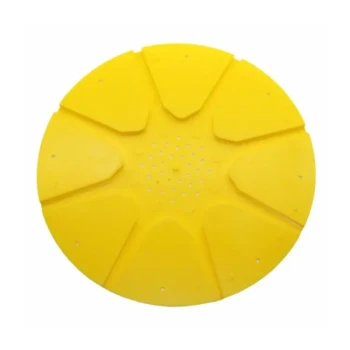
Specially designed plywood mortality collection boards function as diagnostic platforms for monitoring at-hive bee mortality rates. Placed directly at the hive entrance, these boards utilize the colony's natural hygienic instincts to capture deceased bees as they are cleared from the interior, allowing beekeepers to quantify death rates accurately.
By providing a high-contrast, contained surface at the hive entrance, these boards transform routine cleaning behavior into measurable data. This allows for the immediate detection of abnormal mortality spikes often associated with acute chemical exposure.
The Mechanics of Mortality Monitoring
Leveraging Natural Hygiene
Honey bees possess a distinct hygienic behavior known as undertaking.
Worker bees actively remove deceased individuals from the hive interior to maintain sanitation. By placing the collection board at the entrance, you intercept this debris, turning a biological process into a data collection opportunity.
Maximizing Visibility
The boards are typically painted white to create a high-contrast background.
This design feature is not aesthetic; it ensures that dark bee carcasses stand out clearly against the surface. This facilitates rapid, accurate visual counting by the beekeeper without the need to handle the specimens.
Ensuring Data Retention
The boards are constructed with raised edges along the perimeter.
These barriers serve a critical containment function. They prevent the wind from blowing lighter carcasses off the platform and ensure that deceased bees rolled out by undertaker bees remain on the board for enumeration.
Diagnosing Colony Health
Detecting Acute Toxicity
The primary diagnostic function of these boards is to evaluate the hive's reaction to chemical applications.
A sudden spike in the number of dead bees on the board often indicates an acute toxic reaction. This provides early warning of pesticide poisoning or adverse reactions to in-hive treatments.
The Necessity of Frequent Checks
Data collection must be performed frequently to remain accurate.
Regular monitoring allows you to spot trends before a colony collapses. Furthermore, frequent checks prevent scavengers from clearing the board, which would result in false negatives regarding mortality rates.
Common Pitfalls to Avoid
The Scavenger Factor
While the board aids in collection, it does not permanently preserve the specimens.
Ants, wasps, and birds act quickly to remove dead bees from the platform. If you do not monitor the boards frequently, scavengers will skew your data by removing the evidence of mortality.
Misinterpreting Baseline Mortality
It is crucial to distinguish between normal turnover and a toxic event.
Every healthy hive experiences natural daily mortality. Without an established baseline of what "normal" looks like for your specific colony size, a collection board may lead to false alarmism rather than accurate diagnosis.
Making the Right Choice for Your Goal
To effectively use mortality collection boards as a diagnostic tool, tailor your inspection schedule to your specific objectives.
- If your primary focus is establishing a health baseline: Record mortality counts during standard inspections to understand the natural turnover rate of your colony.
- If your primary focus is monitoring chemical impact: Check the boards daily following any agricultural spraying or in-hive mite treatments to immediately identify acute toxic reactions.
These simple, high-contrast platforms provide the objective data necessary to distinguish between a thriving colony and one under invisible chemical attack.
Summary Table:
| Feature | Purpose | Benefit |
|---|---|---|
| High-Contrast Surface | Painted white background | Enhances visibility for rapid, accurate counting |
| Raised Edges | Perimeter containment barrier | Prevents wind or debris from removing carcasses |
| Strategic Placement | Hive entrance location | Intercepts dead bees during natural colony cleaning |
| Diagnostic Use | Toxicity & health monitoring | Provides early warning of pesticide poisoning |
Maximize Your Apiary Productivity with HONESTBEE
Efficient hive management starts with the right equipment. HONESTBEE specializes in supporting commercial apiaries and distributors with a comprehensive wholesale range of beekeeping tools, machinery, and essentials. From high-quality hive-making hardware to honey-filling machines and specialized consumables, we provide the industrial-grade solutions your business needs to scale.
Whether you are managing a large-scale operation or supplying the industry, our expertise ensures you get durable, high-performance equipment that enhances colony health and operational efficiency.
Ready to elevate your wholesale sourcing? Contact HONESTBEE Today to discuss our full spectrum of beekeeping hardware and cultural merchandise.
References
- Jacob Pecenka, Ian Kaplan. Implementing IPM in crop management simultaneously improves the health of managed bees and enhances the diversity of wild pollinator communities. DOI: 10.1038/s41598-023-38053-5
This article is also based on technical information from HonestBee Knowledge Base .
Related Products
- HONESTBEE Wooden Bee Escape Board with Triangle Mesh Design for Beekeeping
- HONESTBEE 4-Way Metal Corner Wooden Bee Escape Board
- Langstroth Solid Bottom Board for Beekeeping
- HONESTBEE Multi Exit Plastic Bee Escape Board for Efficient Honey Harvesting
- Langstroth Screen Bottom Board for Beekeeping Wholesale
People Also Ask
- How is a bee escape board used to clear a hive body for honey harvesting? Optimize Your Chemical-Free Harvest
- What is a bee escape board and what problem does it solve? Simplify Your Honey Harvest with Passive Clearing
- How is a bee escape board used and how does it function? Master This Gentle Honey Harvesting Tool
- What are the proper steps for using a bee escape board for honey harvesting? Master the Passive Clearing Technique
- What tools and methods are used to clear honey bees from honey supers? Efficient Harvesting for Commercial Beekeepers