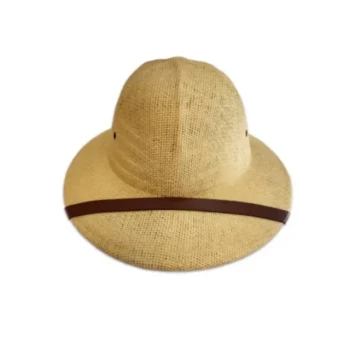
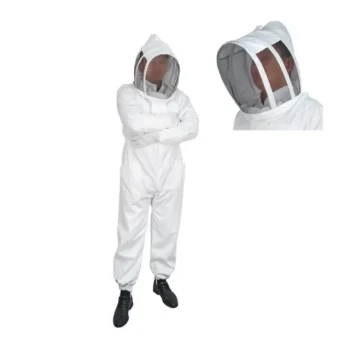
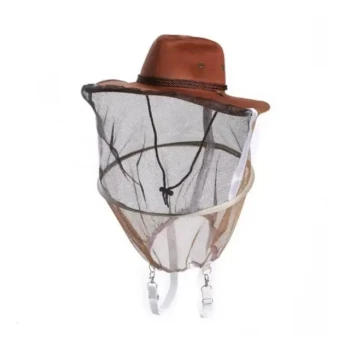
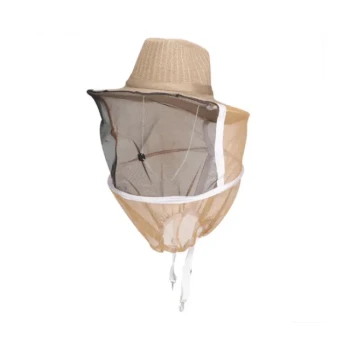
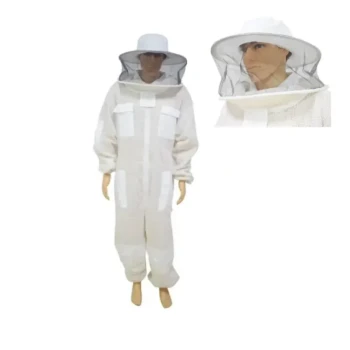
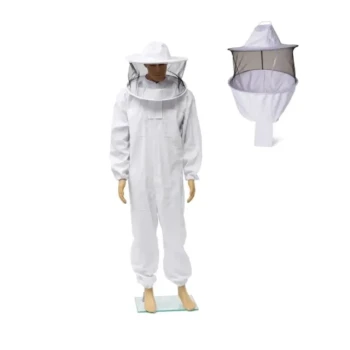
Specialized beekeeping veils with integrated helmet supports serve as the primary defensive barrier between the operator and the colony. These devices create a secure enclosure around the head, preventing bees from accessing and stinging sensitive areas such as the face and neck. Crucially, the design utilizes a fine mesh structure to ensure the operator retains clear visibility and adequate ventilation while performing hive inspections.
While primarily viewed as a tool for human safety, the definitive value of the veil is its dual ability to protect the beekeeper from injury and the colony from unnecessary population loss due to defensive stinging.
The Mechanics of Operator Protection
Securing Vulnerable Areas
The primary function of the veil is to establish a secure physical barrier. The face and neck are high-risk areas for stings due to the sensitivity of the tissue and proximity to airways.
The integrated helmet support is critical here. It maintains the structural integrity of the veil, ensuring the mesh is held away from the skin so that stings cannot reach the user even if bees land on the surface.
Maintaining Operational Capability
Protection cannot come at the cost of function. The veil utilizes a fine mesh structure designed to balance safety with usability.
This allows for clear visibility, which is essential for identifying eggs, queens, or disease symptoms during inspections. Simultaneously, the mesh permits adequate ventilation, preventing the operator from overheating during labor-intensive colony management.
The Biological Impact on the Colony
preventing Defensive Mortality
Beyond protecting the human operator, the veil plays a vital role in preventing unnecessary bee mortality.
When a honeybee stings a mammal, its stinger creates a fatal anchor. The bee dies shortly after the stinger is torn from its body during the defensive strike.
By providing an impenetrable barrier, the veil renders these defensive strikes ineffective. This prevents the stinger from embedding, thereby saving the life of the bee and preserving the colony's population density.
Understanding the Trade-offs
Visibility Constraints
While fine mesh is designed for clarity, it inevitably introduces a visual filter. In low-light conditions or when looking for extremely minute details (such as newly laid eggs), the mesh can create visual interference or glare.
Thermal Management
Although the mesh allows for ventilation, adding a helmet and veil layer restricts airflow compared to working without headgear. In extreme heat, this can increase operator fatigue, requiring the beekeeper to take more frequent breaks to ensure safety.
Making the Right Choice for Your Goal
To maximize the effectiveness of your colony management, consider the following applications:
- If your primary focus is Operator Safety: Prioritize veils with rigid helmet supports to ensure the mesh never collapses against the skin, maintaining a consistent "sting-free" zone around the face.
- If your primary focus is Colony Conservation: View the veil as an ethical tool that neutralizes defensive behavior without lethal consequences, preserving your workforce for pollination and honey production.
The right protective equipment transforms beekeeping from a hazardous task into a sustainable interaction that protects both the keeper and the hive.
Summary Table:
| Feature | Benefit to Beekeeper | Benefit to Bee Colony |
|---|---|---|
| Integrated Helmet | Maintains mesh distance from skin to prevent stings. | Reduces defensive triggers by neutralizing attack success. |
| Fine Mesh Structure | Ensures clear visibility for queen/egg identification. | Minimizes hive disruption through precise handling. |
| Ventilation Design | Prevents overheating and fatigue during labor. | Enables longer, more thorough colony health inspections. |
| Physical Barrier | Protects sensitive face and neck areas from injury. | Prevents worker bee mortality caused by stinging. |
Elevate Your Beekeeping Operations with HONESTBEE
At HONESTBEE, we understand that professional beekeeping requires a balance of safety and efficiency. As a dedicated partner to commercial apiaries and distributors, we provide a comprehensive wholesale range of high-quality beekeeping tools, specialized protective gear, and advanced machinery.
From protective veils and suits to industrial hive-making and honey-filling machines, our portfolio is designed to scale your business and protect your workforce. Contact us today to discuss how our wholesale solutions and essential industry consumables can enhance your productivity and keep your colonies thriving.
References
- John Colman Wood. The Anthropology of Bees. DOI: 10.1111/anhu.12252
This article is also based on technical information from HonestBee Knowledge Base .
Related Products
- Square Folding Beekeeping Hat with Integrated Veil
- Rigid Pith Style Beekeeper Hat for Square Folding Veils
- Premium Cotton Beekeeper Suit with Reinforced Fencing Veil
- Premium Cowboy Beekeeper Hat with Visibility Veil Outdoor Professional Beekeeping Protective Gear
- Beekeeping Jacket with Hood and Veil for Beekeepers
People Also Ask
- How does the design of the beekeeping hat ensure comfort during extended use? Maximize Comfort for Long Apiary Hours
- How is the beekeeper hat designed for comfort and practicality? Explore Key Features for Enhanced Apiary Safety
- What design features contribute to the stability and fit of the beekeeper hat? Key Features for Maximum Hive Safety
- What are the benefits of the lightweight fabric used in the beekeeping hat veil? Enhanced Visibility & Comfort for Hive Work
- What activities is the beekeeping hat suitable for? Beyond the Hive for Ultimate Outdoor Protection