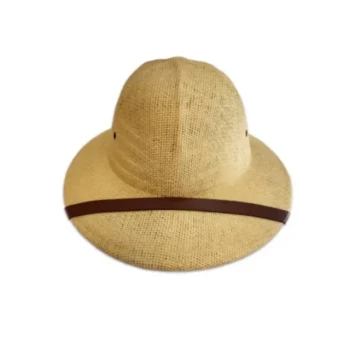
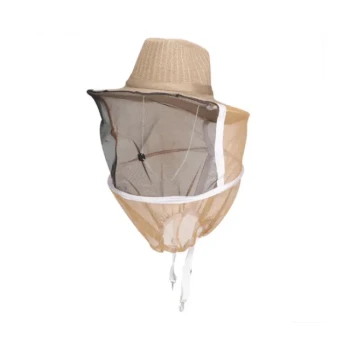
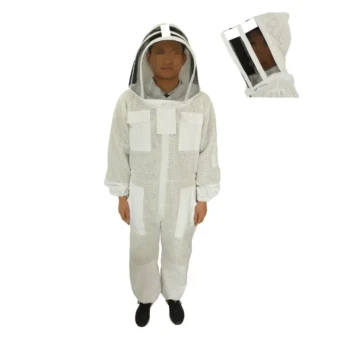
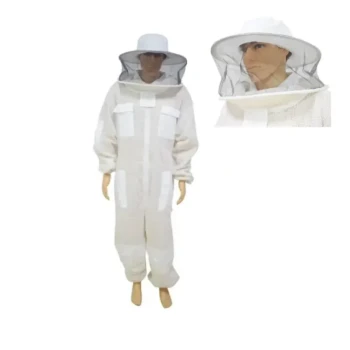
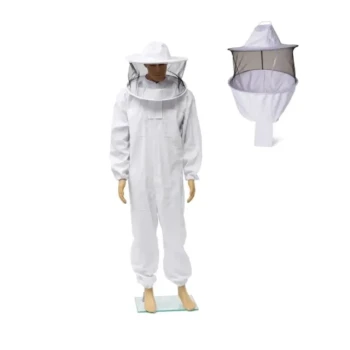
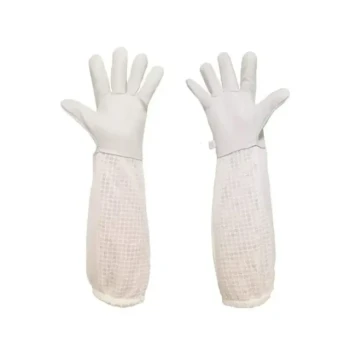
The helmet and veil represent the absolute minimum requirement for safety in the apiary. Their primary function is to protect the head, specifically sensitive areas like the eyes and lips, from stings that can occur even with the most docile colonies. Because bee temperament can shift unexpectedly due to weather or hive conditions, this gear provides a critical physical barrier against potentially severe pain and injury.
While physical safety is the obvious benefit, the helmet and veil also serve a vital psychological function. By removing the fear of facial stings, they allow the beekeeper to remain calm and focused, preventing the nervous behaviors that often provoke the bees in the first place.
The Physical Necessity of Headgear
Protecting Vulnerable Areas
The head contains the most sensitive areas on the human body regarding reaction to venom. A sting near the eye or on the lip is not only exceptionally painful but can cause significant swelling that impairs vision or speech.
Mitigating Unpredictability
Even a colony known for a peaceful temperament can have "bad days." Factors outside your control can make bees defensive. Wearing a helmet and veil ensures you are protected against these sudden shifts in behavior.
The Barrier Against Aggression
For beekeepers managing colonies with high defensive behaviors, such as Africanized bees, standard protection is not enough. In these industrial or high-risk scenarios, reinforced veils act as a critical barrier that allows for necessary hive management without ensuring mass stinging incidents.
The Psychological & Operational Impact
Reducing Anxiety for Beginners
Fear is a major distraction in the apiary. Protective headgear significantly reduces anxiety, allowing new beekeepers to overcome the instinctual fear of buzzing insects.
Enabling Focus and Precision
When you are not worried about protecting your face, you can concentrate fully on the task at hand. This focus is essential for effective hive maintenance, pest control, and identifying the queen or disease symptoms.
Preventing "Nervous" Feedback Loops
Bees are sensitive to movement and can detect nervousness, such as shaky hands or flinching. By feeling secure behind a veil, a beekeeper moves more deliberately and calmly, which in turn keeps the colony calmer.
Understanding the Trade-offs
Equipment Complexity vs. Simplicity
Helmets and veils come in various configurations, ranging from simple separate units to integrated single-piece designs. While integrated units offer seamless protection, they can be bulkier; separate units offer flexibility but require careful setup to ensure no gaps exist for bees to enter.
Over-Protection vs. Comfort
Many beginners start with full suits for maximum security, but this can be cumbersome and hot. As experience grows, many beekeepers find that a simple veil or jacket offers the best balance of protection and comfort, eventually discarding heavier gear while keeping the veil as a constant.
Visibility Constraints
Any mesh veil will slightly obscure vision. While necessary for safety, beekeepers must adjust to looking through the screen, which can make spotting minute details like eggs or young larvae slightly more difficult until the eyes adjust.
Making the Right Choice for Your Goal
Whether you are harvesting honey or performing a quick check, the veil remains essential. Use the following guide to match your gear to your experience level.
- If your primary focus is building confidence as a beginner: Opt for a full suit with an integrated veil to eliminate all fear of stings while you learn to handle frames.
- If your primary focus is dexterity and speed: Transition to a standalone veil or jacket-veil combo to maximize airflow and ease of movement while keeping your face protected.
- If your primary focus is managing aggressive genetics: Utilize industrial-grade, reinforced veils and suits to create an impenetrable barrier against defensive swarms.
Confidence in the apiary starts with the peace of mind that your most vulnerable assets are secure.
Summary Table:
| Feature | Physical Benefit | Psychological Impact |
|---|---|---|
| Protection | Shields eyes, lips, and face from painful stings | Eliminates fear of facial stings and reduces panic |
| Operational Focus | Prevents injury during sudden hive temperament shifts | Allows for calm, deliberate movements and better precision |
| Equipment Type | Offers physical barriers (mesh/fabric) against bees | Builds confidence for beginners learning hive management |
| Visibility | Provides mesh shielding for high-risk colonies | Ensures the beekeeper stays focused on the queen and larvae |
Secure Your Apiary Operations with HONESTBEE
Maximize the safety and efficiency of your beekeeping business with professional-grade protective gear. At HONESTBEE, we specialize in supporting commercial apiaries and distributors with a complete wholesale portfolio.
Whether you need industrial-grade veils, hive-making machinery, honey-filling equipment, or essential industry consumables, our products are designed to provide the durability and protection your team deserves. From specialized hardware to honey-themed cultural merchandise, we help you scale your business with confidence.
Ready to upgrade your equipment? Contact us today to discuss our wholesale offerings and discover how we can add value to your distribution network.
Related Products
- Rigid Pith Style Beekeeper Hat for Square Folding Veils
- Square Folding Beekeeping Hat with Integrated Veil
- White Cotton Beekeeping Jacket and Veil for Bee Keepers
- Beekeeper Cowboy Hat and Veil for Beekeeping
- Beekeeping Jacket with Hood and Veil for Beekeepers
People Also Ask
- How is the beekeeper hat designed for comfort and practicality? Explore Key Features for Enhanced Apiary Safety
- What design features contribute to the stability and fit of the beekeeper hat? Key Features for Maximum Hive Safety
- How does the design of the beekeeping hat ensure comfort during extended use? Maximize Comfort for Long Apiary Hours
- What are the benefits of the lightweight fabric used in the beekeeping hat veil? Enhanced Visibility & Comfort for Hive Work
- What are the components and importance of a beekeeper's hat and veil? Essential Safety Gear for Apiary Success