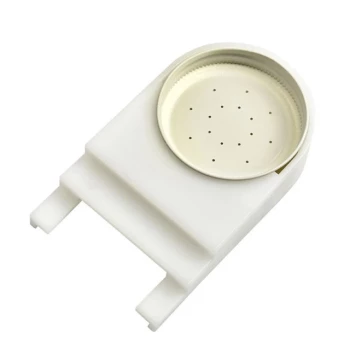
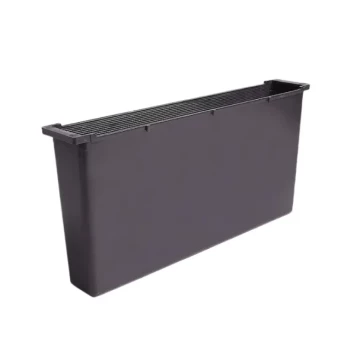
The standard method for feeding a Warre hive involves integrating the feeder directly above the top bars while maintaining the hive's vertical stack structure. You must modify the separator canvas to allow access and install an empty hive box to house the feeder before replacing the insulation layers.
Core Takeaway To utilize a feeder in a Warre hive, you must place the feeder over a cutout flap in the canvas separator. Because the feeder adds height, an empty hive box is required to enclose it before you place the quilt box and roof back on top.
The Configuration Process
Selecting the Feeder Type
The most compatible options for this configuration are a double jar feeder or a round hive top feeder.
These specific designs are compact enough to fit within the footprint of the hive box while providing sufficient capacity for the colony.
Preparing the Access Point
You cannot simply place the feeder on top of the bars if the canvas separator is intact; the bees must have a direct path to the syrup.
To solve this, cut a flap in the separator canvas. This flap should match the footprint of your chosen feeder, allowing bees to move upward without exposing the entire top bar area.
Placing the Feeder
Position the feeder directly over the cutout you created in the canvas.
Ensure the feeder sits securely on the top bars. Stability is crucial here to prevent leaks or shifting when you close the hive.
Enclosing the System
Because the feeder stands taller than the hive walls, the quilt box cannot sit flush against the top bars as it usually does.
You must place an empty hive box around the feeder. This acts as a protective "shim" or spacer, creating a safe, enclosed void that houses the feeding equipment.
Finalizing the Stack
Once the empty box is in place, position the quilt box on top of it.
Finally, place the roof over the quilt box. This restores the hive's weather protection while concealing the feeding apparatus inside.
Critical Structural Considerations
Maintaining Insulation
The Warre system relies heavily on the quilt box for moisture regulation and heat retention.
By placing the feeder under the quilt box (separated by the empty box), you ensure the feed remains within the thermal envelope of the hive.
The Role of the Empty Box
Do not attempt to balance the quilt box directly on the feeder.
The empty hive box is a non-negotiable component. Without it, you create large gaps that expose the colony to drafts, pests, and robbing behavior from other bees.
Making the Right Choice for Your Goal
To successfully implement this feeding method, ensure your equipment inventory matches your management plan.
- If your primary focus is equipment preparation: Ensure you have a spare, empty hive box available to act as a shroud for every colony you intend to feed.
- If your primary focus is colony health: Cut the canvas flap conservatively to match the feeder size exactly, minimizing heat loss from the brood nest below.
This stacking method allows you to supplement the colony's resources without compromising the essential architecture of the Warre hive.
Summary Table:
| Component | Role in Feeding Process |
|---|---|
| Separator Canvas | Must be cut with a flap to allow bee access to syrup. |
| Feeder Type | Double jar or round top feeders are recommended for compatibility. |
| Empty Hive Box | Acts as a spacer/shroud to enclose the feeder above the bars. |
| Quilt Box | Placed atop the empty box to maintain thermal insulation and moisture control. |
| Roof | Provides final weather protection for the entire modified stack. |
Scale Your Beekeeping Success with HONESTBEE
Are you looking to supply your commercial apiary or distribution network with high-quality hive components? At HONESTBEE, we specialize in providing the full spectrum of beekeeping tools and machinery designed for professional efficiency.
From specialized hive-making machines and honey-filling equipment to durable hive boxes and essential consumables, we offer comprehensive wholesale solutions tailored to your business needs. Partner with us to access professional-grade hardware and honey-themed merchandise that adds value to your brand.
Ready to upgrade your equipment inventory? Contact HONESTBEE today to discuss wholesale opportunities!
Related Products
- Professional Hive Top Bee Feeder for Beekeeping
- 3.5L Plastic Beehive Frame Feeder Deep Frame Water Feeder for In Hive Use
- Professional Hive Front Entrance Bee Feeder
- HONESTBEE Square Top Hive Bee Feeder Top Bee Feeder
- Classic Boardman Entrance Bee Feeder Hive Front Feeding Solution
People Also Ask
- Do I need an inner cover with a hive top feeder? Optimize Your Hive Setup for Healthy Bees
- What is a hive top feeder? A Guide to Efficient, Low-Stress Beekeeping
- What is a hive top feeder, and how does it work? A Complete Guide to Efficient In-Hive Feeding
- What are the characteristics, advantages, and disadvantages of hive top feeders? Optimize Your High-Volume Feeding
- How does a hive top feeder work? Optimize Your Apiary's Nutrition and Security