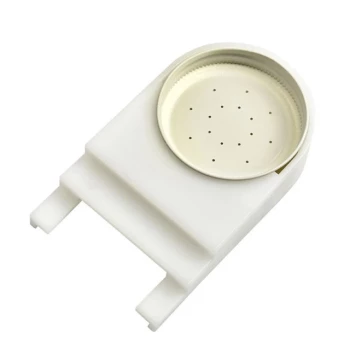
Specialized feeders and waterers serve as critical life-support systems in arid environments, functioning as far more than simple convenience tools. In regions where natural dew and nectar are scarce, these devices provide essential moisture and nutritional supplements, such as syrup or pollen substitutes, directly within the apiary. This immediate access prevents colony collapse caused by dehydration and starvation during extreme dry spells.
In arid climates, the primary threat to a colony is often the physical exhaustion caused by foraging for water over long distances. Specialized equipment eliminates this energy deficit, preserving the lifespan of worker bees and ensuring the colony remains biologically productive.
Reducing Physical Stress and Mortality
In dry environments, the scarcity of local resources forces bees to travel significantly farther to find water and food. This increased activity has direct biological consequences for the colony.
Mitigating Flight Fatigue
When natural sources are unavailable, bees must expand their foraging radius. The primary reference indicates that this increased flight distance drastically increases physical exertion. By placing specialized feeders and waterers onsite, you eliminate the need for these exhausting journeys.
Extending Worker Lifespan
The lifespan of a worker bee is directly tied to its total energy expenditure. Excessive flying to locate water shortens this lifespan, weakening the colony's workforce. Localized feeding and watering stations conserve the bees' energy, allowing them to live longer and contribute more to hive maintenance.
Sustaining Reproductive Activity
A colony under stress will often halt reproduction to conserve resources. By providing a consistent input of moisture and nutrition, specialized equipment ensures that the queen continues to lay eggs and the colony maintains its population even in water-scarce conditions.
Thermoregulation and Hive Climate
Beyond basic hydration, water plays a structural role in the hive's environment, particularly when ambient temperatures rise.
The Mechanism of Evaporative Cooling
In arid regions where summer temperatures often exceed 40°C, bees require water to regulate the internal temperature of the hive. They deposit water droplets within the hive and fan their wings to create evaporative cooling.
Protecting the Brood
This cooling process is essential for maintaining a constant temperature in the brood area. Without a reliable, high-volume water source provided by specialized automatic waterers, the brood can overheat and perish.
Operational Safety and Efficiency
Using standard open containers for water in an apiary can be fatal to bees. Specialized equipment is designed to mitigate these specific risks.
Preventing Drowning
Bees cannot land on deep, open water without risking drowning. Specialized waterers feature shallow access areas equipped with pebbles, buoys, or textured ramps. These landing platforms allow bees to drink safely without becoming submerged.
Bridging Nutritional Gaps
During late summer or winter in arid zones, natural pollen and nectar sources often disappear completely. Specialized feeders—ranging from entrance feeders to internal frame feeders—allow beekeepers to supply sugar water or supplements. This mimics the natural nectar flow, preventing starvation during resource gaps.
Common Pitfalls to Avoid
While specialized equipment is necessary, incorrect usage can introduce new challenges to the apiary.
The Risk of Robbing
Improperly sealed feeders or open feeding stations can trigger "robbing" behaviors, where stronger colonies or wild pests attack weaker hives to steal syrup. It is often safer to use internal feeders (such as frame or bag feeders) to keep the food source contained within the specific colony.
Maintenance and Hygiene
Waterers and feeders in hot climates can quickly become breeding grounds for algae, mold, or bacteria. Regular cleaning is mandatory; failing to sanitize this equipment can introduce disease directly into the colony's food supply.
Making the Right Choice for Your Goals
Selecting the right equipment depends on the specific stressors your apiary faces.
- If your primary focus is preventing heat stress: Prioritize automatic watering systems with large reservoirs to ensure the supply never runs dry during peak daytime heat.
- If your primary focus is colony growth: Utilize internal frame feeders or bag feeders to deliver high-calorie syrup and pollen substitutes directly to the brood nest without triggering competition.
- If your primary focus is minimizing labor: Install high-capacity external feeders that reduce the frequency of refills, but monitor closely for signs of robbing.
By artificially shortening the distance between the hive and its resources, you effectively convert a harsh, arid environment into a manageable habitat for sustainable beekeeping.
Summary Table:
| Feature | Purpose in Arid Environments | Key Benefit |
|---|---|---|
| Specialized Waterers | Provides safe hydration & cooling water | Prevents drowning & hive overheating |
| Internal Feeders | Delivers syrup & pollen supplements | Avoids robbing & sustains colony growth |
| Landing Platforms | Textured ramps or buoy systems | Reduces worker mortality during drinking |
| Large Reservoirs | Ensures consistent resource availability | Minimizes labor and prevents dehydration |
Secure Your Apiary’s Success in Any Climate
At HONESTBEE, we understand the unique challenges faced by commercial apiaries and distributors operating in harsh, arid environments. Our comprehensive wholesale catalog features high-performance specialized feeders, automatic watering systems, and hive-making machinery designed to maximize colony productivity and worker lifespan.
Whether you are looking to equip a large-scale operation or stock premium tools for resale, we provide the industrial-grade hardware and essential consumables you need to thrive. Let us help you convert challenging landscapes into productive habitats.
Contact HONESTBEE Today for Wholesale Solutions
References
- MAZOUZI Hajar. L'avenir de l'apiculture au Maroc dans un contexte de crises successives : cas des coopératives féminines apicole de la province de Khouribga. DOI: 10.5281/zenodo.17813058
This article is also based on technical information from HonestBee Knowledge Base .
Related Products
- 3.5L Plastic Beehive Frame Feeder Deep Frame Water Feeder for In Hive Use
- Professional Hive Top Bee Feeder for Beekeeping
- Professional In-Hive Bee Feeder HONESTBEE Frame for Beekeeping
- HONESTBEE Round Hive Top Bee Feeder for Syrup
- HONESTBEE Professional Entrance Bee Feeder Hive Nutrition Solution
People Also Ask
- What are the technical advantages of using frame feeders for beehives? Maximize Efficiency and Colony Survival
- Can plastic frames be used in any type of beehive? Maximize Your Apiary Efficiency with Durable Solutions
- What are the technical functions and design requirements of plastic feeders? High-Performance Sourcing for Distributors
- What are the advantages of feeding bees inside the hive? Top Benefits for Colony Security and Health
- Are plastic bee hive frames good? A Guide to Modern Durability vs. Natural Appeal