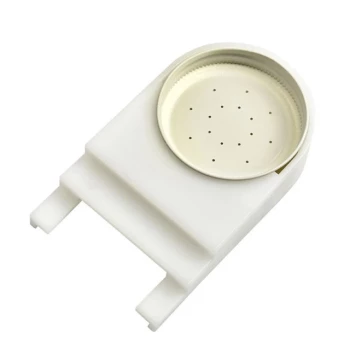
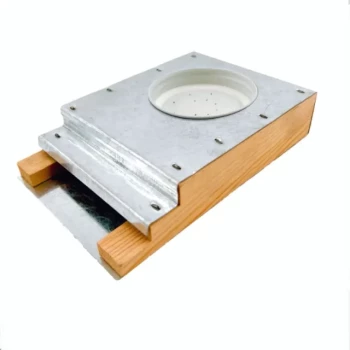
Feeding bees inside the hive is the superior management strategy for ensuring targeted nutrition and colony security. By placing the food source within the hive body, you guarantee that the specific colony you intend to support receives the benefit, rather than neighboring bees or pests.
Core Takeaway Internal feeding offers a controlled environment that maximizes resource efficiency and colony defense. By keeping syrup contained, you ensure 24/7 access for the bees regardless of weather, while significantly reducing the risks of disease spread and conflict with opportunistic intruders.
Security and Disease Prevention
Preventing the "Robbing" Frenzy
Open feeding outside the hive acts as a beacon to every insect in the area, particularly during a nectar dearth. This often triggers "robbing," where strong colonies attack and deplete the resources of weaker ones. Internal feeding keeps the food source hidden, preventing this aggressive competition.
Controlling Disease Transmission
Community feeders located outside the hive are gathering spots for bees from many different colonies. This mingling increases the likelihood of spreading disease and parasites between hives. Internal feeding isolates the food supply, acting as a quarantine measure that protects the health of your specific apiary.
Deterring Pests and Predators
External sugar water sources attract more than just honeybees; they draw in wasps, yellow jackets, and other insects. These intruders can eventually turn their attention to the hive itself. Feeding internally keeps these predators out, ensuring the colony does not have to defend its supplemental food from other species.
Efficiency and Accessibility
Weather-Independent Access
Bees cannot fly to external feeders during high winds, rain, or cold temperatures. Internal feeders provide 24/7 access to nutrition, allowing the cluster to feed even when external conditions prevent flight.
Economic Resource Management
Feeding inside is the most economical method of supplementation. You are paying to feed your specific livestock, not the feral colonies or neighboring hives in the surrounding area. Every drop of syrup provided inside the hive benefits the intended colony.
Supporting Weaker Colonies
Weak colonies are often unable to defend a food source at the entrance or outside the hive. By placing food inside—and pairing this with a reduced entrance size—you allow a struggling colony to rebuild its stores without the stress of constant defense.
Understanding the Trade-offs
Equipment Management Challenges
While internal feeders (specifically hive-top models) offer large capacity, they can be unwieldy. Moving a hive-top feeder while full is difficult, often resulting in heavy lifting and sticky spills that can mess up the hive components.
The Risk of Drowning and Mold
Despite designs intended to provide traction, bees can still drown in liquid feeders. Furthermore, without a mold inhibitor, the warm, humid environment inside the hive can turn syrup into a paste of mold and dead bees, which is harmful to the colony.
Making the Right Choice for Your Goal
To maximize the health of your apiary, choose your feeding strategy based on your specific objectives:
- If your primary focus is preventing robbing: Use internal feeders exclusively, especially during the fall or nectar dearths, to keep the food scent contained.
- If your primary focus is supporting a weak colony: Combine internal feeding with a reduced hive entrance to minimize the area the bees must defend.
- If your primary focus is colony economics: Feed internally to ensure 100% of your syrup budget goes to your bees rather than local pests or neighbors.
Internal feeding transforms supplementary nutrition from a chaotic free-for-all into a strategic, secure tool for colony health.
Summary Table:
| Feature | Internal Feeding | External (Open) Feeding |
|---|---|---|
| Robbing Risk | Minimal (food is hidden) | High (triggers aggressive competition) |
| Disease Control | Isolated to specific colony | High risk of cross-contamination |
| Weather Access | 24/7 access regardless of rain/cold | Flight dependent; no access in bad weather |
| Pest Attraction | Contained; deters wasps/hornets | High; attracts local pests and predators |
| Cost Efficiency | High (only feeds your bees) | Low (feeds feral colonies and neighbors) |
Scale Your Apiary Success with HONESTBEE
Maximize your colony's health and your apiary's efficiency with professional-grade feeding solutions. At HONESTBEE, we understand the needs of commercial apiaries and distributors. Whether you are looking for advanced hive-top feeders or large-scale honey-filling machinery, we provide a comprehensive wholesale range of beekeeping tools, equipment, and essential consumables.
Partner with HONESTBEE today to access:
- Premium Beekeeping Hardware: From hive-making machines to specialized protective gear.
- Wholesale Efficiency: Reliable supply chains for industry consumables and honey-themed merchandise.
- Expert Support: Specialized equipment tailored to protect your colonies and boost productivity.
Ready to elevate your beekeeping business? Contact us today to discuss your wholesale needs!
Related Products
- HONESTBEE Professional Hive Top Bee Feeder Feeding Solution
- HONESTBEE Square Top Hive Bee Feeder Top Bee Feeder
- HONESTBEE Entrance Bee Feeder Professional Hive Nutrition Solution for Beekeeping
- Rapid Bee Feeder White Plastic 2L Round Top Feeder for 8 or 10-Frame Bee Hives
- HONESTBEE Entrance Bee Feeder Efficient Hive Front Liquid Feeding Solution for Beekeeping
People Also Ask
- How does a bee hive top feeder work? A Guide to Efficient, Protected Feeding
- Do I need an inner cover with a hive top feeder? Optimize Your Hive Setup for Healthy Bees
- What is a hive top feeder? A Guide to Efficient, Low-Stress Beekeeping
- What is a hive top feeder, and how does it work? A Complete Guide to Efficient In-Hive Feeding
- What are the characteristics, advantages, and disadvantages of hive top feeders? Optimize Your High-Volume Feeding