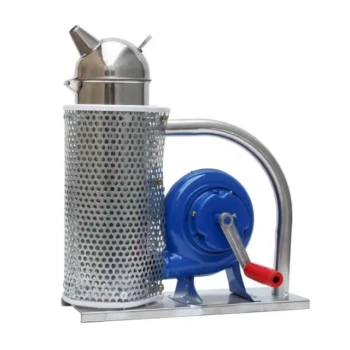
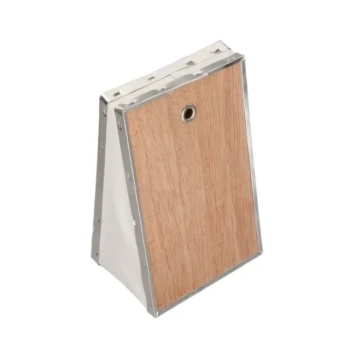
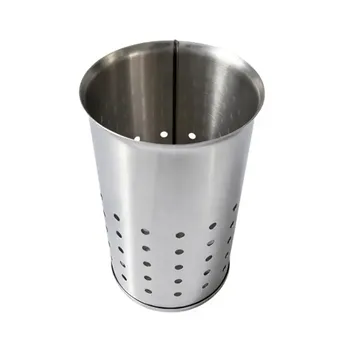
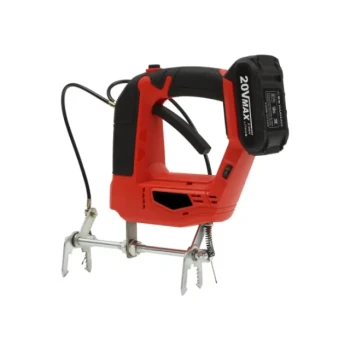
A Bee Smoker operates by generating cool smoke to suppress a honeybee colony's defensive instincts through chemical and physiological manipulation. By introducing smoke produced from the incomplete combustion of natural materials, you mask the colony's communication signals and trigger a feeding response that renders the bees docile.
The Bee Smoker is not merely a tool for distraction; it creates a temporary physiological shift in the colony. By masking alarm pheromones and inducing an engorgement response, it transforms an aggressive defense posture into a passive state, ensuring safety for both the apiarist and the bees.
The Operational Mechanisms
To understand why the smoker is effective, you must look at how it affects the biology of the bee on two distinct levels.
Disruption of Chemical Communication
Honeybees rely heavily on pheromones to communicate threats. When a hive is disturbed, guard bees release an alarm pheromone (smelling distinctively like bananas) to rally the colony for defense.
The cool smoke physically masks these chemical signals. Because the bees cannot smell the alarm pheromone, the chain reaction of aggression is broken before it can spread through the hive.
Inducing the Engorgement Response
Smoke triggers an ancient survival instinct in honeybees. When they detect smoke, they interpret it as a sign of a potential forest fire, signaling that they may need to abandon the hive.
In preparation for this potential migration, bees instinctively begin to consume and store as much honey as possible. This state of engorgement makes the bees physically lethargic and significantly less prone to stinging or flying aggressively.
Strategic Benefits in Hive Management
Using a smoker is not just about avoiding stings; it is about efficiency and minimizing stress for the colony during necessary interventions.
Creating a Safe Working Environment
The primary benefit is the reduction of the colony's defensive behavior. By neutralizing the alarm response, the smoker creates a "safe window" of time.
This allows beekeepers to open the hive and expose the frames without triggering a mass attack (swarming) or causing agitated bees to injure themselves.
Facilitating Precision Tasks
Complex hive management requires steady hands and focus. A calm colony allows for delicate procedures that would be impossible with agitated bees.
Technicians can effectively perform essential maintenance such as queen rearing, merging colonies, and cleaning hive boxes. It also simplifies the process of harvesting honey, as the bees remain preoccupied with their own food stores rather than defending the frames.
Understanding the Trade-offs
While the bee smoker is an essential tool, improper use can lead to negative outcomes. It is critical to understand the limitations of the device.
The Necessity of "Cool" Smoke
References specifically emphasize the generation of cool smoke. If the combustion material burns too hot or the smoker is used too aggressively, it can singe the bees' wings or bodies.
Hot smoke can also trigger panic rather than the desired calmness, counteracting the purpose of the tool.
Transient Effectiveness
The effects of the smoke are temporary. The masking of pheromones and the engorgement response provide a limited window of operation.
If a hive inspection drags on for too long, the effects will wear off, and the colony's natural defensive behaviors will return, potentially catching the operator off guard.
Making the Right Choice for Your Goal
The application of a bee smoker should be tailored to the specific task you are performing.
- If your primary focus is a Routine Inspection: Use light puffs of cool smoke strictly to mask initial alarm pheromones at the entrance and top bars to prevent the colony from becoming alert.
- If your primary focus is Harvesting or Merging: Apply smoke more thoroughly to trigger the full engorgement response, ensuring the bees are lethargic and distracted by feeding during these invasive procedures.
Mastering the bee smoker turns a chaotic encounter into a controlled, manageable interaction.
Summary Table:
| Feature | Mechanism/Benefit | Impact on Bees |
|---|---|---|
| Pheromone Masking | Blocks alarm signals (isopentyl acetate) | Breaks the chain reaction of aggression |
| Engorgement | Triggers survival instinct to consume honey | Makes bees lethargic and less prone to stinging |
| Cool Smoke | Incomplete combustion of natural fuel | Prevents physical injury to wings and bodies |
| Operational Safety | Neutralizes defensive behaviors | Creates a safe window for invasive hive tasks |
Elevate Your Apiary Operations with HONESTBEE
At HONESTBEE, we understand that professional beekeeping requires precision tools that respect the biology of the hive. As a premier partner for commercial apiaries and distributors, we provide more than just equipment; we provide the foundation for successful beekeeping at scale.
Why partner with us?
- Comprehensive Wholesale Range: From specialized hive-making and honey-filling machinery to a full spectrum of manual tools.
- High-Quality Consumables: We supply essential industry consumables and honey-themed cultural merchandise to diversify your retail offerings.
- Built for Professionals: Our equipment is designed for durability and efficiency, meeting the rigorous demands of large-scale operations.
Ready to optimize your supply chain or upgrade your facility's machinery?
Contact HONESTBEE Today to discuss our wholesale solutions and discover how our expertise can drive your business growth.
References
- Alemayehu Abebe, Alebachew Habtamu. Analysis of honey production systems in three agro-ecologies of Benishangul-Gumuz, Western Ethiopia. DOI: 10.5897/jaerd2015.0705
This article is also based on technical information from HonestBee Knowledge Base .
Related Products
- Stainless Steel Honey Bee Smoker Hive and Honeycomb Smoker for Beekeeping
- Professional Bee Smoker with Elongated Spout and Durable Bellows for Beekeeping
- Premium Traditional Copper Bee Smoker with Bellows
- Heavy Duty Manual Bee Smoker Blower for Beekeeping
- European Stainless Steel Bee Smoker for Honey Bee Hive
People Also Ask
- What are bee smokers made out of? Choose the Right Material for Your Apiary
- Why is a stainless steel bee smoker considered indispensable? Master Hive Management with Cool Smoke Technology
- What type of bee smoker is recommended for a beginner? Top Picks for Easy Hive Management
- How do bee smokers and colored light sources work together to assist in night-time honey harvesting? Expert Strategies
- What is the best material for a bee smoker? Choose the Right Fuel for a Calm Hive