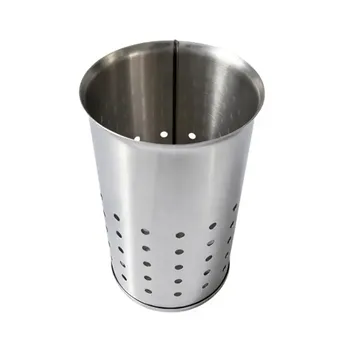
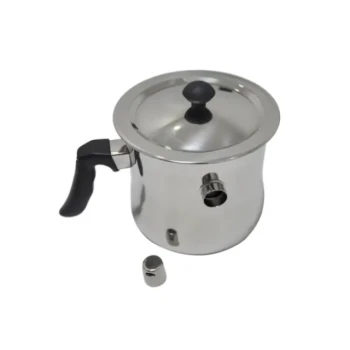
The primary function of a bee smoker is to suppress defensive behaviors through the application of controlled cold smoke. Even for stingless species like Heterotrigona itama, this tool is essential to simulate a natural fire signal, prompting the colony to enter a calm, feeding state rather than attacking with bites or acidic secretions.
Core Insight While stingless bees cannot sting, they remain aggressively defensive through biting and chemical secretions. The smoker neutralizes this threat by masking alarm pheromones and inducing a feeding response, ensuring both operator safety and long-term colony stability.
The Mechanics of Smoke on Stingless Colonies
Simulating a Natural Fire Signal
The smoker works by generating controlled cold smoke that mimics the presence of a natural fire. When the colony detects this smoke, their instinctual survival response is triggered.
Instead of defending the hive, the bees prioritize resource preservation. They enter a calm, feeding state, gorging on honey to prepare for a potential evacuation.
Mitigating Non-Sting Defenses
A common misconception is that "stingless" means "defenseless." However, species such as Heterotrigona itama possess aggressive instincts, including painful biting and the secretion of irritating acidic substances.
The application of smoke significantly dampens these specific behaviors. This turns what could be a hazardous environment for the operator into a manageable workspace.
Disrupting Pheromone Communication
Bees rely heavily on chemical signals to coordinate defense. When a hive is disturbed, guard bees release alarm pheromones to rally the colony.
The smoke effectively masks these pheromones. By disrupting this chemical communication, the smoker prevents the rapid escalation of aggression across the entire colony.
The Role in Colony Stability
Ensuring Colony Continuity
Beyond immediate safety, the smoker is critical for the long-term health of the apiary. Traditional or aggressive harvesting methods often cause the colony to abandon the hive entirely.
Using a standardized smoker significantly reduces this risk. Data indicates that proper smoking techniques ensure approximately 96.9% of the colony remains in the hive post-harvest, preventing the disastrous loss of the colony (absconding).
Facilitating Complex Tasks
Managing a hive involves more than just harvesting honey; it requires disease inspection and structural maintenance. These are complex tasks that require precision.
By inducing a non-active state in the bees, the smoker allows operators to perform these delicate tasks efficiently. It protects the bees from being crushed during inspections and prevents injury to the personnel.
Common Pitfalls and Trade-offs
The Risk of High Temperatures
It is critical to distinguish between "smoke" and "heat." The smoker must generate cool smoke, not hot fumes.
High temperatures can singe the bees’ wings or bodies, causing permanent damage to the colony. The fuel source (often bundled dry grass) must be managed to produce volume without excessive heat.
Controlled vs. Excessive Smoking
While smoke is a tool for calming, overuse can be detrimental. The goal is to prompt a feeding response, not to suffocate or contaminate the hive environment.
Excessive smoke can taint the flavor of the honey or stress the colony to the point of long-term productivity loss. The application must be brief and targeted.
Making the Right Choice for Your Goal
To maximize the effectiveness of your hive management, tailor your use of the smoker to your specific objectives:
- If your primary focus is Operator Safety: Use the smoker immediately upon opening the hive to neutralize biting and acidic secretions before they escalate.
- If your primary focus is Colony Sustainability: Prioritize the use of cool smoke over open-flame methods to ensure the colony does not abscond after the harvest.
By using the smoker to mask alarm signals rather than simply frighten the bees, you ensure a harvest that is safe for the human and sustainable for the hive.
Summary Table:
| Feature | Function & Impact | Benefit to Beekeeper |
|---|---|---|
| Pheromone Masking | Disrupts alarm signals between bees | Prevents mass colony aggression and biting |
| Instinctive Calming | Induces a 'feeding state' via fire signal | Makes bees manageable and less prone to attack |
| Colony Stability | Reduces risk of bees abandoning the hive | Ensures ~96.9% colony retention post-harvest |
| Safety Mechanism | Neutralizes biting and acidic secretions | Provides a safer environment for complex tasks |
| Precision Control | Delivers cool smoke to the colony | Protects bees from heat damage and wing singeing |
Elevate Your Apiary Management with HONESTBEE
Maximize your harvest efficiency and ensure colony health with professional-grade equipment. HONESTBEE specializes in supporting commercial apiaries and distributors with a full spectrum of high-quality beekeeping tools, from advanced smokers and hive-making machinery to honey-themed cultural merchandise.
Whether you are scaling your wholesale operations or looking for essential industry consumables, our comprehensive portfolio is designed to meet your specific needs. Contact us today to discover how our premium supplies can optimize your beekeeping performance!
References
- Avry Pribadi, Michael Daru Enggar Wiratmoko. KARAKTERISTIK FISIKOKIMIA MADU Heterotrigona itama ASAL PROVINSI RIAU. DOI: 10.31849/forestra.v18i2.11107
This article is also based on technical information from HonestBee Knowledge Base .
Related Products
- Stainless Steel Honey Bee Smoker Hive and Honeycomb Smoker for Beekeeping
- Professional Bee Smoker with Elongated Spout and Durable Bellows for Beekeeping
- Premium Traditional Copper Bee Smoker with Bellows
- Heavy Duty Manual Bee Smoker Blower for Beekeeping
- European Stainless Steel Bee Smoker for Honey Bee Hive
People Also Ask
- What are bee smokers made out of? Choose the Right Material for Your Apiary
- What type of bee smoker is recommended for a beginner? Top Picks for Easy Hive Management
- Why is a stainless steel bee smoker considered indispensable? Master Hive Management with Cool Smoke Technology
- Why is a specialized bee smoker considered a critical tool for apiary safety? Master Hive Control & Productivity
- How should a beekeeper use a smoker when approaching a hive? A Guide to Calm, Safe Inspections