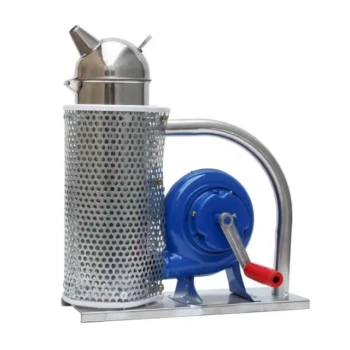
The primary function of a bee smoker is to safely calm honeybees, enabling beekeepers to perform hive inspections, repairs, and maintenance with significantly reduced risk. By emitting controlled, light puffs of smoke, the tool disrupts the colony's natural defensive behaviors, preventing the agitation that leads to stinging incidents.
Core Insight: A bee smoker does not physically sedate bees; it manages their communication. By masking alarm signals, it prevents the colony from organizing a unified defense, creating a safer environment for both the beekeeper and the bees.
The Mechanism of Action
Disrupting Chemical Communication
Honeybees rely heavily on chemical signals to communicate threats. When guard bees perceive an intruder, they release an alarm pheromone to alert the rest of the colony.
The smoke effectively masks this scent. Because the bees cannot smell the alarm signal, the message to attack is never fully received by the rest of the hive.
Causing Temporary Disorganization
The primary reference notes that smoke causes temporary confusion and disorganization within the hive.
Instead of mobilizing for defense, the bees become distracted. This breaks the chain reaction of aggression that usually occurs when a hive is opened, keeping the colony passive.
Preventing Defensive Escalation
By interrupting the initial alert, the smoker prevents the colony from entering a "high alert" state.
This allows the beekeeper to work calmly without being surrounded by defensive bees. It transforms a potentially volatile situation into a manageable routine.
Operational Benefits
Enhancing Beekeeper Safety
The most immediate benefit is the reduction of risk to the operator.
With the defensive response neutralized, the likelihood of being stung decreases dramatically. This allows the beekeeper to focus on delicate tasks, such as locating the queen or harvesting honey, rather than swatting away guards.
Protecting the Colony
Using a smoker is also a safety measure for the bees themselves.
When a colony is agitated, bees fly erratically and are more likely to be crushed during frame manipulation. A calm colony remains on the combs, minimizing disruption to their daily work and preventing unnecessary bee fatalities.
Understanding the Trade-offs
The Risk of Overuse
While essential, smoke must be applied with controlled moderation.
The goal is to mask pheromones, not to suffocate or distress the bees. Excessive smoke can overwhelm the hive, causing panic rather than calm, which makes inspections difficult.
Temporary Effectiveness
The confusion caused by smoke is not permanent.
The effect lasts only as long as the scent lingers and masks the pheromones. Beekeepers must work efficiently, as the colony will eventually reorganize its defenses once the air clears.
Skill Requirement
A smoker is a tool that requires technique.
It is not a "magic wand"; it requires the beekeeper to understand wind direction and hive temperaments to apply the smoke effectively without causing harm.
Making the Right Choice for Your Goal
To use a bee smoker effectively, tailor your approach to the specific situation:
- If your primary focus is a Routine Inspection: Use gentle, light puffs at the hive entrance a few minutes before opening to initiate the calming effect.
- If your primary focus is Harvesting Honey: Apply smoke more deliberately to clear bees from the upper supers, ensuring they move down into the brood box safely.
- If your primary focus is Managing Aggression: Ensure your fuel produces cool, white smoke to mask intense pheromones without singing the bees' wings.
Mastering the smoker is the first step toward transforming beekeeping from a defensive struggle into a controlled, peaceful science.
Summary Table:
| Feature | How it Works | Primary Benefit |
|---|---|---|
| Pheromone Masking | Blocks alarm scents from guard bees | Prevents colony-wide defensive aggression |
| Scent Disruption | Creates temporary confusion & distraction | Keeps bees on the combs during inspections |
| Controlled Airflow | Delivers cool, white smoke puffs | Protects bees from heat while calming them |
| Safe Maintenance | Minimizes agitation during handling | Reduces beekeeper stings and bee fatalities |
Scale Your Apiculture Business with HONESTBEE
At HONESTBEE, we understand that professional beekeeping requires precision and reliability. Whether you are running a large-scale commercial apiary or supplying the industry as a distributor, our comprehensive wholesale range has you covered.
We provide everything from high-performance bee smokers and protective gear to advanced hive-making and honey-filling machinery. Beyond hardware, we supply essential consumables and unique honey-themed cultural merchandise to help your brand stand out.
Ready to elevate your operational efficiency? Contact our expert team today to discuss bulk pricing and customized equipment solutions tailored to your business needs.
Related Products
- Stainless Steel Honey Bee Smoker Hive and Honeycomb Smoker for Beekeeping
- Professional Bee Smoker with Elongated Spout and Durable Bellows for Beekeeping
- Heavy Duty Manual Bee Smoker Blower for Beekeeping
- Premium Traditional Copper Bee Smoker with Bellows
- European Stainless Steel Bee Smoker for Honey Bee Hive
People Also Ask
- What are bee smokers made out of? Choose the Right Material for Your Apiary
- What type of bee smoker is recommended for a beginner? Top Picks for Easy Hive Management
- Why is a stainless steel bee smoker considered indispensable? Master Hive Management with Cool Smoke Technology
- How should a beekeeper use a smoker when approaching a hive? A Guide to Calm, Safe Inspections
- What is the best material for a bee smoker? Choose the Right Fuel for a Calm Hive