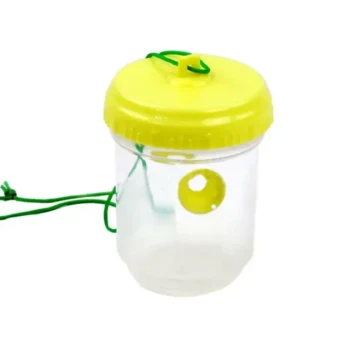
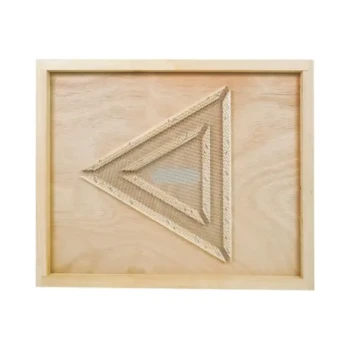
A Bottom Board Trap functions primarily as a physical monitoring device designed to assess the presence and density of Small Hive Beetles (Aethina tumida) within a colony. Installed at the base of the hive, it captures adult beetles by exploiting their biological drive to search for food and nesting sites, utilizing a combination of physical interception and integrated bait chambers.
By quantifying the number of captured beetles, this tool allows beekeepers to accurately gauge infestation levels and evaluate the success of their broader pest management strategies before significant colony damage occurs.
The Mechanics of Interception
Exploiting Biological Vulnerabilities
Small Hive Beetles are naturally photophobic (sensitive to light) and seek to avoid harassment from worker bees.
They instinctively look for dark, protected crevices to hide. Bottom board traps leverage this behavior by offering a seemingly safe, dark environment at the lowest point of the hive.
The Role of Attraction and Containment
To increase efficiency, these traps often utilize specific attractants or "baits" housed in integrated chambers.
Once the beetles enter the trap to investigate the scent or seek shelter, they are physically contained. In many configurations, the trap includes a consumable agent, such as mineral oil, which drowns the beetles and prevents their escape.
The Strategic Value of Data
Assessing Infestation Severity
The primary value of this device exceeds simple pest removal; it provides actionable intelligence.
By inspecting the trap regularly, a beekeeper can determine the exact "pressure" of the infestation. This moves pest management from guesswork to a data-driven process.
Tracking Seasonal Patterns
Beetle populations fluctuate based on the season and environmental conditions.
Continuous monitoring via bottom board traps reveals seasonal distribution patterns. This helps the beekeeper predict when the colony is most vulnerable and when to intensify defensive measures.
Understanding the Trade-offs
Maintenance Requirements
While effective as a non-chemical control, these traps are not "set and forget" devices.
They require regular maintenance to replenish baits and remove dead beetles. If neglected, the trap itself can become a harbinger of decay or lose its efficacy as the bait degrades.
Part of a System, Not a Cure
A bottom board trap is excellent for monitoring and reducing adult density, but it should not be viewed as a standalone cure for a massive infestation.
It is most effective when used to evaluate the effectiveness of other strategies. If the trap counts remain critically high despite intervention, it signals that current management tactics are failing.
Making the Right Choice for Your Goal
To maximize the utility of a Bottom Board Trap, align its use with your specific management objectives:
- If your primary focus is Integrated Pest Management (IPM): Use the trap to establish a baseline count of beetles, then track changes over time to validate whether your other control methods are working.
- If your primary focus is Chemical-Free Control: Utilize the trap with mineral oil to physically lower the adult beetle population and reduce egg-laying opportunities without introducing pesticides to the comb.
Success in beetle management relies not just on catching pests, but on using the capture data to make timely, informed decisions for colony health.
Summary Table:
| Feature | Function & Impact |
|---|---|
| Primary Role | Physical monitoring and assessment of Small Hive Beetle (SHB) density. |
| Mechanism | Exploits photophobic behavior to lure beetles into dark, oil-filled chambers. |
| Strategic Value | Provides actionable data for seasonal infestation tracking and IPM validation. |
| Key Component | Integrated bait chambers and mineral oil for physical containment. |
| Limitation | Requires regular maintenance; used as a monitoring tool, not a standalone cure. |
Protect Your Apiary with Professional-Grade Solutions
Don't let Small Hive Beetles compromise your honey production. HONESTBEE provides commercial apiaries and distributors with high-quality, durable bottom board traps and a comprehensive suite of beekeeping equipment designed for heavy-duty use. From specialized hive-making machinery to essential industry consumables, our products are engineered to enhance colony health and operational efficiency.
Ready to scale your beekeeping operations? Contact us today to explore our wholesale offerings and discover how our expertise can strengthen your business.
References
- Baldwyn Torto, Peter E. A. Teal. Monitoring Aethina tumida (Coleoptera: Nitidulidae) With Baited Bottom Board Traps: Occurrence and Seasonal Abundance in Honey Bee Colonies in Kenya. DOI: 10.1603/en10013
This article is also based on technical information from HonestBee Knowledge Base .
Related Products
- Langstroth Solid Bottom Board for Beekeeping
- Solid Bottom Board Australian Pine Wood Langstroth Bottom Board for Wholesale
- Langstroth Screen Bottom Board for Beekeeping Wholesale
- Australian Pine Wood Langstroth Screen Bottom Board for Wholesale
- Professional Multi-Component Bucket Wasp Trap
People Also Ask
- What are the functions of solid bottom boards for a beehive? Essential Thermal Protection and Winter Survival Tips
- What is the purpose of a solid bottom board for bee hives? Enhance Hive Health and Winter Survival
- How does climate influence the choice between a solid and screened bottom board? Optimize Your Hive for Local Weather
- What is the primary function of a bottom board in a modern modified beehive system? Essential Foundation Guide
- What are the characteristics of a solid bottom board for a beehive? Boost Colony Health and Thermal Insulation