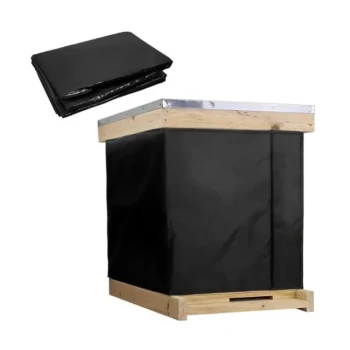
The primary function of climate-controlled wintering facilities is to induce a state of deep dormancy in bee colonies by maintaining a constant, appropriate low-temperature environment. By isolating the bees from drastic outdoor temperature fluctuations, these facilities significantly reduce the colony's energy consumption and lower mortality rates during non-foraging periods.
The core value of these facilities lies in stability; by replacing volatile weather with a controlled environment, colonies preserve vital energy reserves that would otherwise be wasted fighting temperature swings.
The Mechanics of Controlled Dormancy
Inducing Deep Dormancy
The facility operates by providing a consistent, low-temperature environment. This specific thermal regulation is the trigger that forces the bee colony into a state of deep dormancy. In this state, the biological activity of the hive slows down significantly.
Reducing Energy Consumption
A colony in a state of deep dormancy requires far fewer resources to sustain itself. By suppressing activity through temperature control, the facility drastically reduces winter energy consumption. This ensures that the colony's food stores are not depleted prematurely.
Protection from Environmental Stress
Isolating from Temperature Fluctuations
Outdoor environments are subject to drastic temperature swings that stress the colony. Climate-controlled facilities effectively isolate the bees from these external fluctuations. This isolation removes the metabolic burden of constantly adjusting to changing weather conditions.
Lowering Mortality Rates
The combination of reduced energy expenditure and environmental stability leads to higher survival outcomes. These facilities effectively lower colony mortality rates, maintaining the overall vitality of the bees until they can return to foraging.
Understanding the Operational Risks
The Cost of Volatility
The text implies a critical trade-off regarding natural, outdoor wintering: drastic temperature fluctuations. Without the isolation provided by these facilities, bees are subjected to volatile conditions that disrupt dormancy.
The Dependency on Consistency
The effectiveness of this method relies entirely on the facility's ability to remain constant. If the temperature varies or is not "appropriate," the state of deep dormancy may break, negating the energy-saving benefits and potentially risking the colony's vitality.
Making the Right Choice for Your Goal
To apply these principles effectively, consider your primary management objectives:
- If your primary focus is Colony Survival: Prioritize facilities that offer superior isolation to protect bees from mortality-inducing outdoor temperature fluctuations.
- If your primary focus is Resource Efficiency: Focus on maintaining the specific low temperatures required to induce deep dormancy, ensuring the lowest possible energy consumption.
Control the environment to conserve the colony's energy, ensuring they emerge from winter with maximum vitality.
Summary Table:
| Key Function | Primary Benefit | Operational Impact |
|---|---|---|
| Temperature Regulation | Induces Deep Dormancy | Slows biological activity and preserves hive energy. |
| Environmental Isolation | Buffers Temperature Swings | Removes metabolic stress caused by volatile weather. |
| Resource Conservation | Reduced Food Consumption | Prevents premature depletion of essential winter stores. |
| Mortality Control | Higher Survival Rates | Ensures colony vitality for the upcoming foraging season. |
Secure Your Apiary’s Future with HONESTBEE
Transitioning to climate-controlled wintering is a critical step for modern, large-scale beekeeping success. At HONESTBEE, we specialize in supporting commercial apiaries and distributors with the high-performance tools and machinery needed to maintain hive health year-round. From advanced hardware for hive construction to specialized honey-processing equipment, our comprehensive wholesale portfolio is designed to enhance your operational efficiency.
Ready to optimize your colony survival rates? Contact our experts today to learn how our range of professional beekeeping supplies and industrial machinery can help you achieve ultimate climate control and long-term profitability.
References
- Laurent Cilia. ‘We don't know much about Bees!’ Techno‐Optimism, Techno‐Scepticism, and Denial in the American large‐scale Beekeeping Industry. DOI: 10.1111/soru.12280
This article is also based on technical information from HonestBee Knowledge Base .
Related Products
People Also Ask
- What are the steps to properly wrap a beehive for winter? Ensure Your Colony Survives the Cold
- When is the best time to wrap a beehive for winter? A Guide to Perfect Winterization Timing
- How do professional insulation wraps provide protection for bee colonies? Optimize Winter Survival & Energy Efficiency
- What are the technical benefits of using winter wraps for beehive insulation? Boost Colony Survival & Hive Health
- What are the benefits of using insulated covers for hives? Ensure Colony Survival and Health