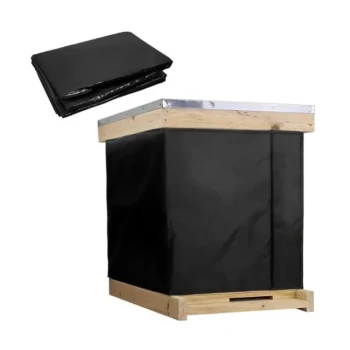
Professional insulation wraps function by creating a critical layer of thermal resistance around the beehive, acting as a shield against extreme external cold. By dampening the impact of freezing ambient temperatures, these wraps reduce the rate of heat loss from the colony, allowing bees to maintain necessary internal conditions with significantly reduced metabolic effort.
Core Takeaway While insulation wraps physically shield the hive, their true value is energy conservation. By stabilizing the internal environment, these tools prevent the colony from exhausting its limited winter energy stores on excessive heat generation, directly correlating to higher survival rates.
The Mechanics of Thermal Protection
Increasing Thermal Resistance
The primary function of professional insulation is to provide thermal resistance.
This barrier slows the transfer of heat from the inside of the hive to the outside environment. It ensures that the warmth generated by the bee cluster remains effective for longer periods.
Reducing Heat Dissipation
Without insulation, heat dissipates rapidly through the hive walls in cold regions.
Applying materials such as fibre insulation or utilizing double-walled structures significantly reduces this rate of dissipation. This retention is vital for maintaining the core temperature of the cluster during long winters.
Minimizing Energy Consumption
Honeybees generate heat by vibrating their wing muscles, a process that consumes their stored honey (energy).
By retaining heat more efficiently, insulation allows bees to conserve energy that would otherwise be spent fighting the cold. This reduction in energy expenditure is often the deciding factor in preventing starvation and colony loss.
Environmental Control and Moisture Management
Stabilizing Internal Conditions
Beyond temperature, insulation wraps are essential for maintaining stable humidity levels.
Fluctuations in temperature can lead to dangerous condensation. Insulation helps keep the internal atmosphere consistent, which is critical for the health of the colony.
Physical Barriers Against Elements
Supplementary protective covers, often made of specialized plastic, serve as a physical shield against heavy rainfall.
Keeping moisture out is as important as keeping heat in. Excess moisture can lead to honey fermentation or direct damage to bee larvae.
Safeguarding Yield and Quality
By preventing the intrusion of cold air and moisture, insulation protects the colony's resources.
This safeguards both the yield and quality of the honey, ensuring it remains viable for the bees' consumption and future harvest.
Critical Considerations for Effectiveness
Material Selection Matters
Not all protective measures serve the same purpose.
Plastic covers are primarily effective at blocking rain and preventing moisture ingress, which protects against fermentation. Fibre insulation, conversely, is focused on thermal retention to prevent freezing.
The Limits of Insulation
It is important to recognize that wraps do not generate heat; they only retain it.
The colony must still be healthy enough to generate its own core warmth. Insulation is a force multiplier for a strong colony, not a cure for a weak one.
Making the Right Choice for Your Goal
To maximize the survival rate of your colonies, choose the protection method that aligns with your specific regional challenges:
- If your primary focus is preventing starvation: Prioritize high-thermal resistance wraps (like fibre) to maximize heat retention and minimize the bees' energy consumption.
- If your primary focus is preventing disease and spoilage: Ensure you utilize waterproof barriers (like plastic covers) to block rainfall and prevent honey fermentation.
Professional insulation is not just a physical shield; it is an energy management tool that transforms the hive from a passive structure into a thermally efficient shelter.
Summary Table:
| Feature | Primary Function | Key Benefit |
|---|---|---|
| Thermal Resistance | Slows heat transfer from the cluster | Prevents hive freezing and starvation |
| Energy Conservation | Minimizes wing muscle vibration | Extends honey stores for the colony |
| Moisture Management | Prevents internal condensation | Reduces honey fermentation and larvae rot |
| Physical Barrier | Shields against rain and wind | Maintains a dry, stable internal environment |
| Material: Fibre | Heat retention and insulation | Crucial for extreme temperature protection |
| Material: Plastic | Waterproofing and wind-blocking | Ideal for rain-heavy and humid regions |
Maximize Your Colony Survival with HONESTBEE
Ensure your apiary thrives through the harshest winters with HONESTBEE’s professional-grade beekeeping solutions. From advanced thermal insulation wraps and weatherproof covers to high-efficiency honey-processing machinery, we provide commercial apiaries and distributors with the tools needed to safeguard honey quality and colony health.
Partner with HONESTBEE to access:
- Wholesale Beekeeping Equipment: Specialized hardware and hive-making machines.
- Premium Consumables: Durable insulation and industry-standard protection.
- Global Distribution Support: Comprehensive supplies tailored for large-scale operations.
Contact us today to discover how our tailored wholesale offerings can enhance your productivity and protect your investment.
References
- G. Christopher Cutler, Larry W. Brewer. A large-scale field study examining effects of exposure to clothianidin seed-treated canola on honey bee colony health, development, and overwintering success. DOI: 10.7717/peerj.652
This article is also based on technical information from HonestBee Knowledge Base .
Related Products
- Professional Insulated Winter Hive Wrap for Beekeeping
- Inner Beehive Cover for Beekeeping Bee Hive Inner Cover
- Professional Insulated Plastic Bee Hives
- Telescopic Beehive Outer Cover Lid Roof with Galvanised Sheeting for Langstroth Hive and Beehive Outer Cover
- Professional Galvanized Hive Strap with Secure Locking Buckle for Beekeeping
People Also Ask
- What are the steps to properly wrap a beehive for winter? Ensure Your Colony Survives the Cold
- When is the best time to wrap a beehive for winter? A Guide to Perfect Winterization Timing
- What are the technical benefits of using winter wraps for beehive insulation? Boost Colony Survival & Hive Health
- What are the benefits of using insulated covers for hives? Ensure Colony Survival and Health
- What materials and methods are used to insulate bee hives against extreme cold? Essential Guide for Colony Survival