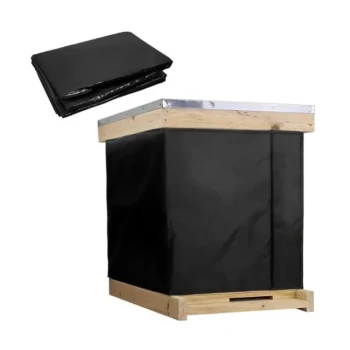
The primary function is strictly thermal stabilization. Constant temperature insulation bags are designed to mitigate environmental fluctuations during the transport of bee pathogen samples from the apiary to the laboratory. By isolating the samples from external heat or cold, these bags maintain a stable internal environment, ensuring the biological material remains unchanged during transit.
The core purpose of these bags is to freeze the "biological clock" of the sample as much as possible. By preventing temperature spikes, they stop pathogens from dying off or multiplying artificially, ensuring the lab results reflect the true conditions of the hive.
Preserving Biological Authenticity
Preventing Pathogen Inactivation
The most immediate risk to a sample is extreme temperature, which can sterilize the specimen before it reaches the bench.
If a sample becomes too hot or too cold, sensitive pathogens may undergo inactivation. This leads to false negatives, where the lab fails to detect a disease that is actually present.
Inhibiting Excessive Proliferation
Conversely, unchecked warmth can turn a sample container into an incubator.
Without thermal regulation, bacteria or fungi may engage in excessive proliferation during transport. This results in an artificially high pathogen count, skewing the assessment of the infection's severity.
Ensuring Diagnostic Accuracy
Protecting Isolation Results
The laboratory process relies on isolating specific microbes from the sample.
If the temperature fluctuates significantly, the ratio of different microbes can shift. Constant temperature insulation ensures that the organisms isolated in the lab match the population dynamics originally collected from the bee.
Validating Identification Outcomes
Accurate identification depends on the structural and chemical integrity of the pathogen.
By maintaining stability, you ensure that the subsequent microbial identification is based on high-quality, viable material, rather than degraded byproducts of environmental stress.
Understanding the Limits and Trade-offs
Insulation is a Buffer, Not a Source
It is critical to remember that insulation bags primarily slow down temperature changes rather than generate their own heat or cold.
They act as a barrier against the environment. However, without an added thermal source (like ice packs or warmers), the internal temperature will eventually equalize with the outside air over long durations.
The Factor of Transit Time
While these bags provide stability, they do not grant indefinite storage time.
The protection they offer is temporary. Long delays in transport can still compromise sample integrity once the insulation's buffering capacity is saturated.
Making the Right Choice for Your Goal
To maximize the reliability of your diagnostic data, consider your specific objectives when utilizing these tools:
- If your primary focus is pathogen detection: Ensure the bag prevents high temperatures to avoid killing off sensitive organisms that are difficult to culture.
- If your primary focus is quantitative analysis: strictly monitor the temperature to prevent rapid replication that would exaggerate the pathogen load.
Treating the transport phase with the same rigor as the laboratory phase is the only way to guarantee data you can trust.
Summary Table:
| Feature | Primary Function | Impact on Accuracy |
|---|---|---|
| Thermal Stabilization | Mitigates environmental temperature fluctuations | Prevents false negatives and skewed pathogen counts |
| Inactivation Prevention | Protects samples from extreme heat or cold | Ensures pathogens remain viable for detection |
| Proliferation Control | Inhibits rapid growth of bacteria or fungi | Maintains realistic pathogen population ratios |
| Structural Protection | Preserves chemical/biological integrity | Enables precise microbial identification |
Elevate Your Apiary Management with HONESTBEE
At HONESTBEE, we understand that precision in the field leads to success in the market. We provide commercial apiaries and distributors with a comprehensive range of professional beekeeping tools, advanced machinery, and essential consumables. Whether you are looking for specialized hardware like honey-filling machines or high-quality transport equipment to protect your biological samples, our wholesale solutions are designed to enhance your operational efficiency and diagnostic accuracy.
Ready to scale your beekeeping business? Contact us today to explore our full portfolio and discover how HONESTBEE can streamline your supply chain.
References
- J.T. Simonyan, H.Ye. Voskanyan. Research of Colibacteriosis in Honey Bees at Aragatsotn Region and Susceptibility of the Detected Pathogen to Antibiotics. DOI: 10.52276/25792822-2023.2-181
This article is also based on technical information from HonestBee Knowledge Base .
Related Products
People Also Ask
- What are the steps to properly wrap a beehive for winter? Ensure Your Colony Survives the Cold
- When is the best time to wrap a beehive for winter? A Guide to Perfect Winterization Timing
- How do professional insulation wraps provide protection for bee colonies? Optimize Winter Survival & Energy Efficiency
- What are the technical benefits of using winter wraps for beehive insulation? Boost Colony Survival & Hive Health
- What are the benefits of using insulated covers for hives? Ensure Colony Survival and Health