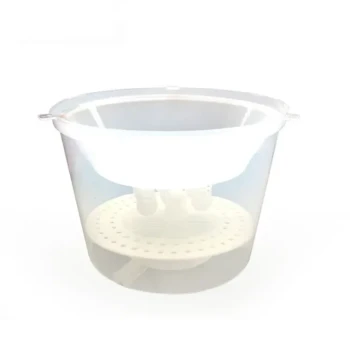
The primary function of wire mesh fence traps is to act as a high-capacity mechanical defense system designed specifically for the large-scale eradication of hornets in commercial apiaries. By utilizing a porous structure and durable materials, these traps allow predatory pests to enter from multiple directions while retaining the structural integrity to hold a massive volume of captured insects.
Core Insight:
In commercial beekeeping, pest control is a volume game. Wire mesh fence traps shift the defense strategy from individual intervention to mass mechanical control, enabling the efficient reduction of predator populations without disrupting daily hive operations.
The Mechanics of High-Volume Defense
Optimized for Multi-Directional Entry
The defining feature of these traps is their porous wire mesh structure. Unlike traps that require a specific entry angle, this design allows hornets attracted by bait to fly in from virtually any direction.
This maximizes the capture rate per unit of time, which is critical when a large wave of predators descends on an apiary.
Durability Under Load
Commercial operations cannot rely on flimsy equipment. The wire mesh construction is specifically engineered for durability.
This strength enables the system to sustain and contain a large volume of captures without breaking or deforming. It transforms the trap from a temporary fix into a piece of long-term infrastructure.
Strategic Role in Commercial Operations
Automating Pest Reduction
For large-scale beekeepers, manual pest removal is inefficient and unscalable. Wire mesh fence traps function as "mechanical control equipment."
This allows the apiary to maintain defense levels automatically, freeing up human resources for other critical tasks like harvest or colony health monitoring.
Protecting the Economic Engine
While artificial hives serve as the essential infrastructure for honey production, they are vulnerable biological assets. The wire mesh trap serves as the perimeter security for this investment.
By reducing the predatory pressure from hornets, these traps ensure the colony remains healthy enough to continue the organized economic activity of honey and beeswax production.
Understanding the Trade-offs
Bait Dependency
It is important to note that the physical structure of the wire mesh is useless without an effective attractant. The primary reference highlights that pests enter "when attracted by bait."
If the bait is ineffective or dries out, the porous structure provides no defense. The system requires consistent monitoring of bait potency to remain effective.
Specificity vs. Selectivity
High-capacity traps are designed for volume. Because they are porous and open to multi-directional entry, there is a risk of by-catch if the bait is not specific to the target predator (hornets).
Making the Right Choice for Your Apiary
To determine if this mechanical control method aligns with your operational goals, consider the following contexts:
- If your primary focus is eradicating heavy hornet infestations: Prioritize wire mesh fence traps for their high volume capacity and durability under the weight of mass captures.
- If your primary focus is general colony maintenance: Remember that these traps are defensive tools, distinct from the artificial hives used for housing bees and harvesting honey.
Effective commercial beekeeping requires distinguishing between the infrastructure used for production and the mechanical systems used for defense.
Summary Table:
| Feature | Wire Mesh Fence Trap Functionality |
|---|---|
| Primary Role | High-capacity mechanical defense and mass hornet eradication |
| Structure | Porous wire mesh allowing multi-directional entry |
| Durability | High-strength design to sustain massive volume of captures |
| Operational Benefit | Automates pest reduction and protects economic honey production |
| Key Dependency | Requires effective bait to attract target predators |
| Target User | Commercial apiaries facing heavy predatory pressure |
Secure Your Apiary with HONESTBEE Professional Solutions
Protect your commercial investment from predatory hornets with high-performance mechanical defense systems. As a leading partner for commercial apiaries and distributors, HONESTBEE provides the full spectrum of beekeeping tools, machinery, and essential consumables needed to maintain a thriving operation.
From wire mesh traps to specialized hive-making and honey-filling machines, our comprehensive wholesale offering is designed to scale your business and safeguard your colonies.
Ready to upgrade your apiary’s defense? Contact HONESTBEE Today to explore our complete portfolio of professional beekeeping equipment and cultural merchandise.
References
- Boymakhmat Kakhramanov, Khusniddin Donaev. Effective methods of bee pest control. DOI: 10.1051/e3sconf/202338101012
This article is also based on technical information from HonestBee Knowledge Base .
Related Products
- Compact Multi-Funnel Hanging Wasp Trap
- Professional Multi-Component Bucket Wasp Trap
- Reusable Aluminium Beetle Trap for Small Hive Beetles Silver Bullet
- Plastic Beetle Blaster Trap Beekeeping Tools and Supplies
People Also Ask
- What are the practical advantages of using professional wasp traps and protective equipment in apiary management? Scale Up
- Why replace sugar syrup bait in wasp traps every three days? Ensure Maximum Attraction and Catch Rates
- What is the importance of deploying hornet traps around an apiary for maintaining colony stability? Protect Your Yields.
- What are the advantages of placing hornet traps on the tops of beehives? Maximize Hive Defense Against Predators
- What trapping methods and equipment setups protect commercial apiaries against seasonal hornet predation?