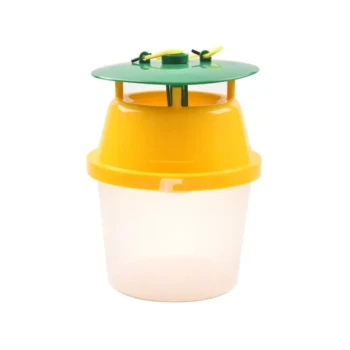
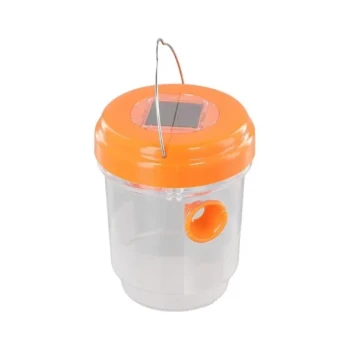
Deploying hornet traps is a critical defense mechanism that preserves the operational continuity of a beehive by physically reducing predator density. These traps alleviate the intense defensive stress that causes colonies to stop foraging or, in extreme cases, abandon the hive entirely (absconding). By intercepting hornets before they reach the hive entrance, beekeepers can maintain the delicate balance of colony stability and ensure consistent honey production.
Core Takeaway: Effective hornet trapping is not merely about pest control; it is a strategic intervention that protects the apiary’s biological "workforce" and prevents colony collapse. For distributors, providing scientifically designed traps is essential for helping clients mitigate environmental pressures and secure their agricultural yields.
The Impact of Predation on Colony Stability
Maintaining the Foraging Cycle
When predatory hornets frequent an apiary, worker bees often enter a defensive "lockdown," ceasing all foraging activities to protect the queen and brood. Hornet traps reduce this environmental pressure, allowing foragers to continue collecting nectar and pollen without interruption. This sustained activity is vital for the colony's nutritional health and long-term survival.
Preventing Defensive Stress and Absconding
Persistent hornet attacks create a state of chronic stress within the hive, which can lead to "absconding," where the entire colony deserts the hive. Traps act as a physical shield, lowering the frequency of direct contact between predators and the bee-covered combs. By minimizing these high-stress encounters, beekeepers can prevent the total loss of their bee stock.
Protecting the Internal Hive Structure
Certain species, such as Vespa orientalis, target the internal combs of the hive for destruction. Strategically placed traps shift the line of defense forward, catching hornets along their flight paths before they can infiltrate the hive's interior. This proactive approach preserves the physical integrity of the colony's home.
Strategic Placement and Technical Optimization
Height-Specific Interception
Yellow-legged hornets typically hover at a height of 80 to 100 centimeters above the ground when hunting near hives. Optimizing trap placement at this specific height ensures that attractant odors are dispersed directly into the primary flight paths of the predators. This precision significantly increases the capture success rate compared to random placement.
Entrance-Level Defense
The hive entrance is the area of highest bee concentration and, consequently, the primary target for Asian hornet ambushes. Positioning traps near these entrances maximizes the interception of hornets at the point of highest predation pressure. This targeted physical defense provides an immediate reduction in worker bee mortality.
Species-Specific Layout Strategies
Different hornet species exhibit unique predatory behaviors that require diverse trap configurations. Deploying traps on the tops of beehives is a proven method for intercepting species that attack the hive body directly. A comprehensive trapping strategy must account for these behavioral nuances to be truly effective.
Understanding the Trade-offs
The Necessity of Integrated Management
While physical traps are highly effective at reducing predator numbers, they are rarely a standalone solution for total nest eradication. Traps should be viewed as a vital component of an Integrated Pest Management (IPM) strategy rather than a silver bullet. They are most effective when used in conjunction with nest location and environmental monitoring.
Maintenance and Attractant Longevity
The efficacy of a trap is heavily dependent on the freshness and quality of the attractant used. Distributors must emphasize the need for regular maintenance, as neglected traps with depleted lures lose their defensive value. Providing a consistent supply of high-quality attractants is as important as the hardware itself.
Scaling Your Apiary Supply Portfolio
To succeed in the competitive B2B landscape, distributors must offer more than just hardware; they must provide expert-backed solutions that solve real-world problems for beekeepers.
- If your primary focus is one-stop sourcing: Ensure your portfolio includes a full spectrum of traps optimized for different species (e.g., Asian hornets vs. yellow-legged hornets) to meet all regional needs.
- If your primary focus is rapid market response: Partner with a supplier capable of ultra-fast delivery to ensure your clients have protection equipment before the peak hornet predation season begins.
- If your primary focus is premium service and expertise: Leverage technical data on flight paths and trap heights to educate your customers, positioning your brand as a knowledgeable industry leader rather than a mere reseller.
By integrating scientifically proven trapping solutions into your inventory, you empower your clients to maintain stable, productive, and resilient apiaries.
Summary Table:
| Key Benefit | Defensive Mechanism | Impact on Hive Stability |
|---|---|---|
| Foraging Continuity | Reduces predator density at entrances | Ensures consistent nectar and pollen collection |
| Stress Mitigation | Intercepts hornets on flight paths | Prevents colony lock-down and absconding (desertion) |
| Physical Protection | Forward-line defense positioning | Preserves internal comb structure and brood safety |
| Strategic Efficiency | Height-specific & species-specific trapping | Maximizes capture rates and operational cost-efficiency |
Scale Your Apiary Supply Business with HONESTBEE
Are you looking to provide your clients with scientifically proven defense solutions? HONESTBEE is your premier partner for commercial-grade beekeeping equipment. We offer a comprehensive one-stop sourcing experience for distributors and wholesalers, featuring a full spectrum of products—from advanced hornet traps and honey-themed merchandise to specialized hive-making and honey-filling machinery.
Why Partner with HONESTBEE?
- Deep Industry Expertise: Our products are designed to solve real-world predation challenges.
- Rapid Fulfillment: Ultra-fast delivery ensures you meet market demands before the peak hornet season.
- Dedicated Support: Exceptional customer service and technical guidance to help you lead the market.
- B2B Advantage: High-margin opportunities with reliable OEM/ODM support and supply chain stability.
Contact HONESTBEE Today to access our wholesale catalog and empower your clients with the industry's most effective tools!
References
- S Satyapriya. The Ecological and Economic Significance of Honey Bees: Challenges and Management in Indian Apiculture. DOI: 10.31031/cojts.2024.05.000611
This article is also based on technical information from HonestBee Knowledge Base .
Related Products
- Compact Multi-Funnel Hanging Wasp Trap
- Reusable Aluminium Beetle Trap for Small Hive Beetles Silver Bullet
- Removable Washable Hive Beetle Trap Attractants for Small Hive Beetles
- HONESTBEE Professional Telescopic Pole Bee Swarm Catcher
- HONESTBEE Collapsible Tiered Bee Swarm Catcher for Beekeeping
People Also Ask
- What are the practical advantages of using professional wasp traps and protective equipment in apiary management? Scale Up
- Why replace sugar syrup bait in wasp traps every three days? Ensure Maximum Attraction and Catch Rates
- What are the advantages of placing hornet traps on the tops of beehives? Maximize Hive Defense Against Predators
- What trapping methods and equipment setups protect commercial apiaries against seasonal hornet predation?
- What is the technical purpose of placing expanded clay balls in a hornet trap? Optimize Your Apiary Monitoring