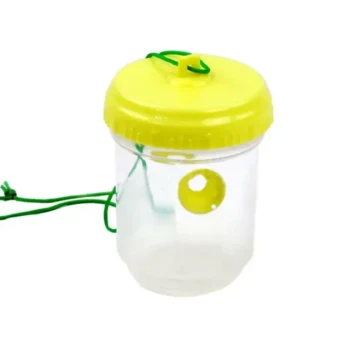
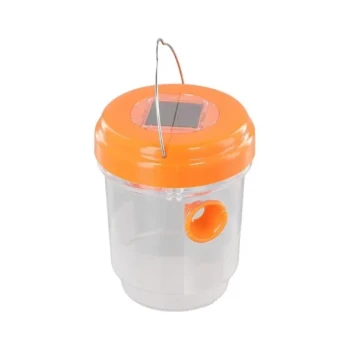
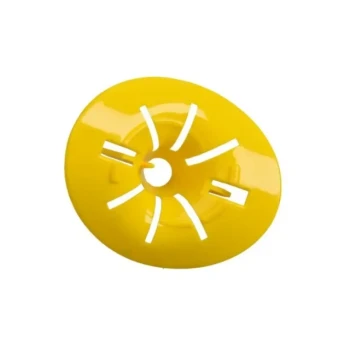
Commercial apiaries should combine perimeter trapping with targeted manual capture during the late-summer and autumn hornet peak. Place specialized trapping units around the apiary perimeter, away from hive entrances, and use capture nets for visible hornets that evade or approach the traps. A properly prepared attractant bait and correctly sized entrance openings help draw hornets away from colonies and reduce predation pressure.
The most effective setup is a layered defense: perimeter traps to reduce hornet numbers, capture nets for immediate manual control, and regular inspection to keep equipment effective without disturbing honeybees.
Why Seasonal Hornet Control Matters
Hornet Pressure Peaks Late in the Season
Hornet populations commonly increase between late summer and autumn, when commercial colonies may already be managing reduced forage and seasonal stress.
This timing creates a higher risk of worker-bee losses, hive-entry attacks, and weakened colonies. Control equipment should therefore be installed before hornet activity reaches its seasonal peak.
Predation Affects More Than Bee Numbers
Hornets can kill foraging and guard bees, disrupt traffic at the entrance, and increase defensive behavior within the colony.
Sustained pressure can weaken colony resilience and reduce the workforce available for nectar collection, brood care, and winter preparation.
How to Configure Perimeter Trapping Units
Use Modified Containers With Controlled Entrances
A practical perimeter trap can be made from a suitable container modified with entrance openings approximately 1.2 to 1.5 cm wide.
Position the openings near the bottom of the container. This configuration allows hornets to enter the bait zone while helping retain them inside the unit.
Position Traps Around the Apiary
Place trapping units around the outer perimeter of the apiary, where they can intercept hornets before the insects reach hive entrances.
Avoid placing bait directly beside hive entrances. The objective is to redirect hornet activity away from the colonies, not to create additional insect traffic where bees are concentrated.
Use Multiple Units for Commercial Sites
Large apiaries should use multiple traps distributed around the perimeter rather than relying on one central unit.
The number and spacing should reflect apiary size, local hornet activity, terrain, and the number of hive groups. Regular inspection is necessary to identify locations where captures are highest and adjust placement accordingly.
Preparing the Attractant Bait
Use the Recommended Bait Formula
The primary bait mixture consists of:
- Pineapple: 150 g
- Sugar: 10 g
- Yeast extract: 1 g
- Detergent: 1 g
- Water: 53 g
Mix the ingredients thoroughly before charging the traps. The pineapple and sugar provide the primary food attraction, while yeast extract supports the bait’s odor profile.
Keep Bait Contained
Bait should remain inside the trapping unit and should not be spilled around hive stands or entrances.
Because sweet substances can attract honeybees and other insects, inspect the equipment for leaks, overflow, or contamination. Replace or clean the bait when it becomes diluted, depleted, or heavily filled with insects.
Consider Local Operating Requirements
Commercial operators should confirm that the bait ingredients, trap design, and placement comply with applicable local pest-management and apiary regulations.
Product documentation, labeling, and traceability are especially important for distributors and wholesalers supplying equipment to multiple regions.
Using Capture Nets for Immediate Control
Reserve Nets for Visible Hornets
Capture nets provide a direct method for manually removing hornets observed around hive entrances, hive stands, or perimeter equipment.
They are especially useful when a hornet is actively hunting bees and immediate intervention is needed. Operators should work calmly and avoid prolonged disturbance at the hive entrance.
Include Nets in the Apiary Equipment Set
Capture nets should be treated as part of the standard response kit rather than as a substitute for perimeter traps.
A commercial setup may include nets, replacement trap containers, bait components, protective clothing, inspection tools, and labeled storage for used equipment.
Train Staff in Consistent Handling
Workers should know how to identify target hornets, approach traps safely, and record capture locations.
Consistent handling reduces accidental damage to equipment and creates useful operational data for adjusting trap placement during the season.
Monitoring and Supporting Hive Protection
Inspect Traps on a Fixed Schedule
Check traps regularly during the seasonal risk period. Record bait condition, trap occupancy, damage, and capture volume.
These records help determine whether hornet pressure is increasing and whether additional units or repositioning are necessary.
Use Sampling to Identify Pest Risks
Professional insect-trapping devices can also collect specimens from the area surrounding the apiary.
When samples are combined with laboratory identification, operators can distinguish hornets, wasps, yellowjackets, and other pests. Accurate identification supports more targeted equipment selection and control decisions.
Add Purpose-Built Hive Hardware
Trapping should be combined with suitable hive hardware, including entrance reducers, ventilated components, protective covers, and sanitary equipment.
Durable covers made from metal or high-grade plastic can reduce exposure to rain and moisture, while entrance management helps maintain a controlled and defensible hive opening.
Understanding the Trade-offs
Traps Reduce Pressure but Do Not Eliminate It
Perimeter traps lower the number of hornets around the apiary, but they do not guarantee complete protection.
Hornets may continue to arrive from surrounding areas, and trapping effectiveness can vary with weather, bait freshness, trap design, and local pest density.
Poor Placement Can Increase Insect Activity Near Hives
A trap placed too close to a hive may concentrate unwanted insect activity at the colony entrance.
Maintain separation from hive entrances, monitor bee behavior after installation, and relocate equipment if it appears to increase traffic or defensive reactions.
Bait Requires Ongoing Maintenance
Liquid bait can evaporate, become diluted by rain, or lose effectiveness as it fills with captured insects.
Commercial apiaries therefore need a replenishment schedule and a supply of replacement containers, bait ingredients, and cleaning materials. This is an important consideration when assembling a dependable wholesale product portfolio.
Manual Capture Involves Operator Risk
Capture nets allow fast intervention but bring the operator closer to aggressive insects.
Use appropriate protective clothing and safe handling procedures, and ensure that staff understand the risks associated with hornets and other stinging pests.
Improvised Covers Are Not a Complete Defense
Plastic or metal sheet wraps used without a broader management plan may leave colonies vulnerable to moisture, disease, poor ventilation, and pest entry.
Purpose-built hive components are more reliable because they address structural protection, colony access, and environmental control together.
Making the Right Choice for Your Goal
Commercial apiaries should select equipment according to both immediate hornet pressure and the scale of their operating network.
- If your primary focus is protecting active colonies: Install perimeter trapping units with 1.2 to 1.5 cm lower entrance openings, use the specified pineapple bait mixture, and keep capture nets available for visible hornets.
- If your primary focus is seasonal preparedness: Stock traps, bait ingredients, replacement containers, protective clothing, inspection tools, and hive entrance hardware before late-summer hornet activity increases.
- If your primary focus is professional pest identification: Add sampling traps and establish a process for specimen collection, laboratory identification, and equipment adjustment.
- If your primary focus is supplying commercial beekeepers: Build a one-stop portfolio covering traps, nets, bait components, entrance reducers, protective covers, and replacement parts, supported by responsive fulfillment and clear product guidance.
A disciplined combination of perimeter trapping, manual capture, monitoring, and purpose-built hive protection gives commercial apiaries a practical defense against seasonal hornet predation.
Summary Table:
| Component | Description |
|---|---|
| Trapping Units | Modified containers with 1.2-1.5 cm entrance openings, placed around apiary perimeter |
| Attractant Bait | Pineapple (150g), sugar (10g), yeast extract (1g), detergent (1g), water (53g) |
| Capture Nets | Manual capture for visible hornets near hives or traps |
| Monitoring | Regular inspection and record-keeping of captures and bait condition |
| Hive Hardware | Entrance reducers, protective covers, and ventilated components |
Protect your commercial apiary with HONESTBEE's complete range of hornet control equipment, including traps, bait components, capture nets, and hive hardware. Benefit from our rapid response times, dedicated customer service, and efficient order fulfillment. Contact us now to secure a reliable supply and keep your colonies safe.
Related Products
- Compact Multi-Funnel Hanging Wasp Trap
- Reusable Aluminium Beetle Trap for Small Hive Beetles Silver Bullet
- Removable Washable Hive Beetle Trap Attractants for Small Hive Beetles
- HONESTBEE Professional Telescopic Pole Bee Swarm Catcher
- HONESTBEE Collapsible Tiered Bee Swarm Catcher for Beekeeping
People Also Ask
- What are the practical advantages of using professional wasp traps and protective equipment in apiary management? Scale Up
- Why replace sugar syrup bait in wasp traps every three days? Ensure Maximum Attraction and Catch Rates
- What is the importance of deploying hornet traps around an apiary for maintaining colony stability? Protect Your Yields.
- What are the advantages of placing hornet traps on the tops of beehives? Maximize Hive Defense Against Predators
- What is the technical purpose of placing expanded clay balls in a hornet trap? Optimize Your Apiary Monitoring