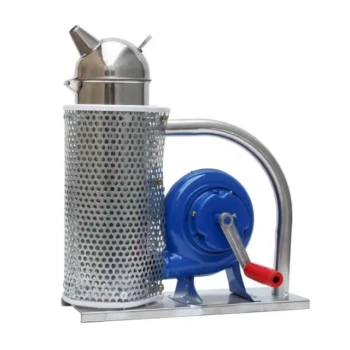
The primary purpose of a bee smoker is to calm honeybees, creating a controlled environment that makes hive inspections significantly easier and safer.
By applying wisps of smoke, a beekeeper can prevent a colony from becoming agitated or aggressive. This simple tool is essential for managing the hive without triggering the bees' natural defensive instincts, protecting both the operator and the insects during maintenance or harvesting.
The Core Insight A bee smoker does not merely suppress bees; it fundamentally alters the atmosphere of the hive to allow for human interaction. By disrupting the colony's defensive response, it transforms a potentially volatile inspection into a harmonious and productive session.
The Mechanics of Hive Management
Disrupting Defensive Responses
When a hive is opened, bees instinctively react to the intrusion. The application of smoke disrupts this natural defense response.
By introducing smoke, you effectively mask the signals that would otherwise trigger a mass defensive reaction from the colony. This allows the beekeeper to work without fighting against an alert and aggressive workforce.
Ensuring Mutual Safety
The smoker is as much for the bees as it is for the beekeeper. A calm colony is less likely to sting, which preserves the lives of the bees (since honeybees die after stinging).
Simultaneously, it minimizes the risk of injury to the beekeeper. This reduction in stings allows the beekeeper to focus on delicate tasks—such as inspecting the queen or harvesting honey—rather than swatting away defenders.
Operational Best Practices
The Importance of Cool Smoke
Not all smoke is beneficial; the quality of the smoke matters immensely. You must aim to produce cool, white smoke.
Hot smoke can singe wings or burn the bees, triggering the very panic you are trying to avoid. Correct fuel selection and technique ensure the smoke remains a calming agent rather than a harmful irritant.
Fuel and Maintenance
You must use a fuel source that is non-toxic and safe for the colony. Harsh chemicals or synthetic materials should never be used in a smoker.
Additionally, reliability is key. Performing yearly cleaning on the smoker ensures the bellows and canister function properly, preventing equipment failure in the middle of an inspection.
Common Pitfalls to Avoid
The Risk of Excessive Use
While smoke is a calming agent, excessive use is counterproductive. Blowing too much smoke into the hive can distress the colony or contaminate the hive environment.
The goal is to use gentle puffs to manage behavior, not to fumigate the hive. A "less is more" approach is often most effective.
Neglecting Tool Maintenance
A smoker is only useful if it stays lit and pumps air efficiently. Neglecting maintenance leads to a tool that produces weak smoke or goes out unexpectedly.
Entering a bee yard with a malfunctioning smoker leaves you vulnerable if the colony becomes aggressive during an inspection.
Making the Right Choice for Your Goal
Effective beekeeping requires understanding the nuance of your tools. Use the smoker strategically based on your current activity.
- If your primary focus is Routine Inspection: Use gentle, cool puffs at the entrance and top bars to keep the bees calm without disrupting their workflow.
- If your primary focus is Safety: Verify your smoker is producing thick, cool white smoke before opening the hive to ensure maximum effectiveness against defensive behavior.
- If your primary focus is Honey Harvesting: Apply smoke sparingly to move bees away from frames, ensuring you do not taint the honey flavor with heavy smoke usage.
The bee smoker remains the most crucial tool for maintaining a safe, productive, and respectful relationship between the beekeeper and the colony.
Summary Table:
| Feature | Purpose/Benefit | Best Practice |
|---|---|---|
| Pheromone Masking | Disrupts alarm signals | Use gentle puffs at the entrance |
| Smoke Quality | Prevents bee injury | Aim for cool, thick white smoke |
| Fuel Choice | Ensures colony health | Use non-toxic, natural materials |
| Tool Maintenance | Reliability during work | Perform annual cleaning of bellows |
| Bee Protection | Minimizes stings/deaths | Avoid excessive smoke to prevent distress |
Elevate Your Beekeeping Operations with HONESTBEE
At HONESTBEE, we specialize in empowering commercial apiaries and distributors with high-performance beekeeping solutions. Whether you require durable bee smokers, advanced honey-filling machines, or bulk beekeeping consumables, our comprehensive wholesale catalog is designed to optimize your productivity.
Why partner with us?
- Full Spectrum Supply: From hive-making machinery to honey-themed cultural merchandise.
- Commercial Expertise: Tailored solutions for large-scale operations and global distributors.
- Quality Assurance: Reliable equipment that ensures the safety of your bees and your team.
Ready to scale your honey production and equipment inventory? Contact HONESTBEE today to discuss our wholesale offerings and how we can support your business growth.
Related Products
- Stainless Steel Honey Bee Smoker Hive and Honeycomb Smoker for Beekeeping
- Professional Bee Smoker with Elongated Spout and Durable Bellows for Beekeeping
- Premium Traditional Copper Bee Smoker with Bellows
- Heavy Duty Manual Bee Smoker Blower for Beekeeping
- European Stainless Steel Bee Smoker for Honey Bee Hive
People Also Ask
- What are bee smokers made out of? Choose the Right Material for Your Apiary
- Why is a stainless steel bee smoker considered indispensable? Master Hive Management with Cool Smoke Technology
- What type of bee smoker is recommended for a beginner? Top Picks for Easy Hive Management
- What is the best material for a bee smoker? Choose the Right Fuel for a Calm Hive
- How do bee smokers and colored light sources work together to assist in night-time honey harvesting? Expert Strategies