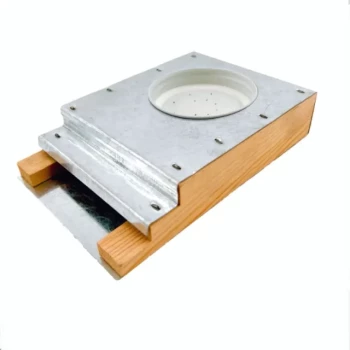
Shallow trough solid feeders are essential tools designed to simulate natural foraging behaviors while delivering critical protein nutrition to honeybees. Their primary function is to hold pollen paste or protein substitutes in a way that maintains feed quality, specifically within the demanding environment of rearing cages.
By enabling rapid maintenance and mimicking natural food access, these feeders ensure colonies receive a continuous supply of quality nitrogen while preventing the common risks of feed spoilage and desiccation.
Biological and Behavioral Benefits
Simulating Natural Foraging
The specific design of the shallow trough solid feeder is not arbitrary; it is engineered to facilitate natural bee behavior.
By holding pollen paste or protein substitutes, the feeder allows honeybees to access nutrition in a manner that simulates their instinctual foraging activities outside the hive.
Ensuring Nitrogen Consistency
Protein is the building block of colony health. The ultimate biological goal of this feeder is to guarantee a continuous supply of quality nitrogen.
This is particularly critical in rearing environments where natural pollen sources may be restricted or unavailable.
Solving Environmental Challenges
Combating High Heat and Humidity
Rearing cages often maintain high temperatures and humidity levels, creating an environment that is hostile to food preservation.
Under these conditions, protein-based feeds are highly susceptible to molding or drying out, rendering the food useless or dangerous to the bees.
Operational Efficiency
The structure of the shallow trough feeder specifically addresses these environmental risks by allowing for quick insertion and removal.
This design feature enables beekeepers to cycle feed rapidly, ensuring that the paste remains fresh and palatable rather than spoiling in the cage.
Operational Considerations
The Requirement of Active Management
While these feeders are designed to prevent mold and desiccation, their design relies on the operator taking advantage of the "quick removal" feature.
Using this feeder implies a workflow where frequent monitoring and exchange are necessary to maintain the high quality of nitrogen the design promises. Neglecting the cycle time can still lead to spoilage, regardless of the trough design.
Making the Right Choice for Your Colony
## How to Apply This to Your Project
To maximize the effectiveness of your nutritional program, consider the following:
- If your primary focus is Colony Health: Utilize these feeders to provide a steady stream of nitrogen through pollen substitutes that mimic natural resource availability.
- If your primary focus is Maintenance Efficiency: Leverage the quick-release design to rapidly cycle feeds in high-humidity rearing cages, preventing waste due to mold.
The shallow trough solid feeder is a strategic solution for maintaining high nutritional standards in controlled, often difficult, rearing environments.
Summary Table:
| Feature | Purpose | Primary Benefit |
|---|---|---|
| Trough Design | Simulates natural foraging | Encourages instinctual feeding and nutrient intake |
| Quick-Release | Rapid feed cycling | Prevents mold and desiccation in high humidity |
| Protein Delivery | Provides quality nitrogen | Essential for colony growth and brood rearing |
| Compact Structure | Fits rearing cages | Maximizes space and operational efficiency |
Scale Your Apiary Operations with HONESTBEE
Are you a commercial apiary or distributor looking to optimize colony health and operational efficiency? HONESTBEE is your premier partner for high-grade beekeeping solutions. From specialized shallow trough solid feeders and essential consumables to industrial-grade hive-making and honey-filling machines, we provide the full spectrum of equipment needed to succeed in the modern beekeeping industry.
Enhance your productivity and safeguard your colony's nutrition with our comprehensive wholesale offerings. Contact us today to discuss your equipment needs and discover how our expertise can drive your business forward.
References
- Geoffrey R. Williams, Robert Brodschneider. Standard methods for maintaining adult<i>Apis mellifera</i>in cages under<i>in vitro</i>laboratory conditions. DOI: 10.3896/ibra.1.52.1.04
This article is also based on technical information from HonestBee Knowledge Base .
Related Products
- Boardman Entrance Bee Feeder Durable Galvanized Steel and Wood Construction for Beekeeping
- 3.5L Plastic Beehive Frame Feeder Deep Frame Water Feeder for In Hive Use
- HONESTBEE Round Hive Top Bee Feeder for Syrup
People Also Ask
- What types of bee feeders are available for beginners? Start with the Simple Entrance Feeder
- How does a bee entrance feeder work? A Simple Guide to Convenient Hive Feeding
- What is a bee entrance feeder and what are its drawbacks? Essential Guide to Hive Security and Feeding Efficiency
- What are the advantages and disadvantages of using an entrance feeder for bees? Balance Convenience and Hive Security.
- How to make an entrance feeder for bees? A DIY Guide for Safe & Effective Feeding