Specialized bee waterers are critical life-support systems designed to safely provide hydration while mitigating the specific risks found in harsh environments. These devices utilize shallow reservoirs equipped with landing zones—such as pebbles or buoys—to prevent bees from drowning while they collect water necessary for regulating hive temperature and processing nectar.
In arid and urban settings, water is not just a nutrient but a climate control tool. Specialized waterers transform a high-risk activity into a safe, reliable process, ensuring the colony can maintain its internal environment without losing its workforce to drowning.
Critical Functions in Arid Environments
Thermoregulation via Evaporation
In arid regions where ambient temperatures frequently exceed 40°C, a colony’s survival depends on its ability to cool the hive.
Bees collect water to disperse throughout the hive, fanning their wings to create evaporative cooling. This process is essential to maintain a stable, lower temperature in the brood area, protecting developing bees from lethal heat.
Continuity of Supply
Natural water sources in arid climates are often ephemeral and unreliable.
Specialized automatic watering devices provide a continuous stream of moisture. This reliability prevents the catastrophic overheating that can occur if a water source dries up during a heatwave.
The Mechanics of Safety and Efficiency
Preventing Drowning
Bees are poor swimmers and are highly susceptible to drowning in open, deep water containers.
Specialized waterers feature designs that minimize water depth or provide extensive footing. Features like floating buoys or beds of pebbles create safe landing platforms, allowing bees to access the water's edge without falling in.
Facilitating Nectar Processing
Beyond cooling, water is a fundamental requirement for the metabolic processes of the colony.
Bees require water to dilute stored honey and process nectar for digestion. A consistent water source ensures that the colony can properly utilize its food stores for energy and growth.
Operational Considerations and Trade-offs
Maintenance and Hygiene
While specialized waterers solve hydration issues, they require diligent maintenance to remain safe.
Stagnant water can quickly become a breeding ground for mosquitoes or pathogens. Regular cleaning is necessary to ensure the device does not become a vector for disease within the colony or the surrounding urban area.
Dependency Risks
In arid environments, reliance on mechanical or automatic waterers introduces a potential single point of failure.
If an automatic device malfunctions during a period of extreme heat, the colony may not have enough time to locate an alternative source. Beekeepers must verify functionality frequently to prevent rapid colony collapse.
Optimizing Hydration for Your Context
To ensure your colony thrives in challenging environments, select your equipment based on your specific environmental pressures:
- If your primary focus is high-heat survival: Prioritize automatic, large-capacity devices that guarantee a continuous supply for evaporative cooling during temperature spikes.
- If your primary focus is urban safety: Select designs with covered reservoirs or minimal surface area to prevent drowning and eliminate standing water that could attract pests near human residents.
By matching the waterer design to the environmental demand, you secure the fundamental biological stability of the hive.
Summary Table:
| Key Feature | Benefit | Purpose |
|---|---|---|
| Landing Zones | Prevents Drowning | Safety for foraging bees |
| Continuous Supply | Thermoregulation | Evaporative cooling during heatwaves |
| Shallow Reservoirs | Safe Hydration | Reliable water access for metabolic use |
| Automatic Feeders | Continuity | Reduces colony collapse risk in arid zones |
| Minimal Surface Area | Pest Control | Prevents mosquito breeding in urban areas |
Elevate Your Beekeeping Operation with HONESTBEE
Are you a commercial apiary or a distributor looking for high-performance beekeeping solutions? At HONESTBEE, we specialize in providing the full spectrum of tools required for modern apiculture—from specialized watering systems that ensure hive survival in extreme heat to professional hive-making and honey-filling machinery.
Our comprehensive wholesale offering includes everything from heavy-duty industrial equipment to essential consumables and honey-themed cultural merchandise. We understand the unique challenges of arid and urban beekeeping, and we are dedicated to supplying the hardware that maximizes your productivity and colony health.
Ready to scale your business? Contact us today to discuss our wholesale pricing and discover how our expertise can streamline your beekeeping operations.
References
- K. Samanta, Rakesh Das. Role of honey bees as beneficial insects: Significance and challenges. DOI: 10.33545/26174693.2024.v8.i4sc.964
This article is also based on technical information from HonestBee Knowledge Base .
Related Products
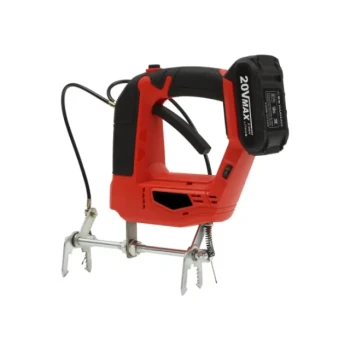
- High Performance Cordless Electric Bee Shaker for Beekeeping
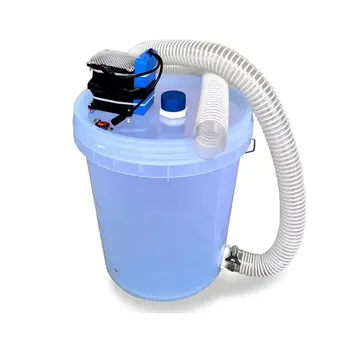
- Portable Electric Bee Vacuum with Lithium Battery and 20L Collection Bucket
- Commercial Grade Vertical Electric Bee Sweeper for Bee Removal
- Professional Stainless Steel Honey Filtering Machine with Water Bath Heating for Beekeeping
- HONESTBEE Entrance Bee Feeder Efficient Hive Front Liquid Feeding Solution for Beekeeping
People Also Ask
- Why is the use of a bee shaker and alcohol wash necessary? Master Accurate Varroa Mite Monitoring
- What role do efficient auxiliary tools play in managing labor resources? Maximize Apiary Output & Labor Efficiency
- What should be done with the bee sample after conducting a varroa mite count with a shaker? Post-Test Care Guide
- What is an electric bee smoker? A Guide to Automated Hive Management
- What is the function of a high-performance bee smoker in commercial apiary management? Maximize Safety & Efficiency