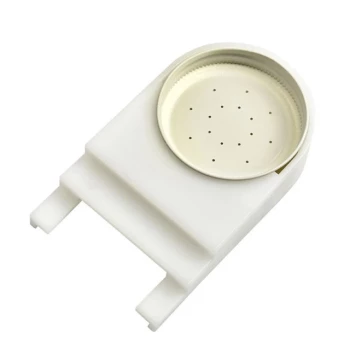
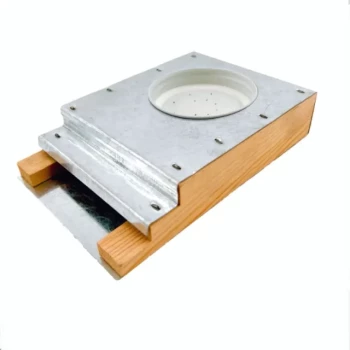
The primary purpose of the insert included with a round hive top feeder is to serve as a safety device. Specifically, it is designed to prevent your honeybees from drowning when you are providing them with liquid feed, such as sugar syrup.
The insert transforms a potential hazard into a safe resource. By restricting open access to the liquid, it allows bees to feed securely without the risk of falling in and becoming submerged.
The Role of the Insert
Reducing Mortality Rates
Honeybees are notoriously poor swimmers and can easily drown in open reservoirs of liquid. The insert acts as a physical barrier and a ladder. It provides the necessary footing for the bees to reach the syrup without entering the main reservoir.
Maintaining Colony Hygiene
When bees drown in a feeder, it not only reduces the workforce but can also spoil the remaining syrup. By keeping the bees dry and safe, the insert helps maintain the quality of the feed and the overall hygiene of the hive.
Versatility and Usage Contexts
Essential for Liquid Syrup
When you are feeding syrup—whether for spring stimulation or winter preparation—the insert is mandatory. It ensures that the colony can access the high volume of liquid safely.
Adjusting for Dry Feed
The round hive top feeder is a versatile tool. According to product specifications, it can also be used to feed dry pollen or sugar.
In this scenario, the setup changes. You generally leave the top components off (or remove the liquid-specific insert restrictions) to allow bees free access to the dry solids, as the drowning risk is negated.
Common Pitfalls to Avoid
Neglecting the Insert with Syrup
The most critical mistake is filling the feeder with syrup without properly seating the insert. This almost invariably leads to a high number of dead bees floating in the liquid, which is a significant setback for the colony.
Confusing Insert Types
Be careful not to confuse the feeder insert with a "foundation insert."
A foundation insert is a separate guide used in frames to encourage straight comb building. It has no relation to the feeder or drowning prevention. Focus solely on the components included specifically with the round feeder unit.
Making the Right Choice for Your Goal
To ensure your bees get the nutrition they need without unnecessary risk, follow these guidelines based on your current feeding strategy:
- If your primary focus is feeding liquid syrup: Ensure the insert is clean, undamaged, and properly installed to prevent drowning.
- If your primary focus is feeding dry pollen or sugar: Remove the liquid-safety restrictions (leave the top off) to give bees direct access to the solid food.
Correctly utilizing the insert ensures your feeder supports the hive's growth rather than becoming a hazard to its population.
Summary Table:
| Feeding Scenario | Recommended Setup | Primary Benefit |
|---|---|---|
| Liquid Syrup | Install Insert Properly | Prevents bee drowning and mortality |
| Dry Pollen/Sugar | Remove/Open Top | Allows direct access to solid nutrition |
| Colony Hygiene | Seated Insert | Prevents syrup spoilage from dead bees |
| Winter Prep | Liquid Setup with Insert | Safe delivery of high-volume energy |
Optimize Your Apiary with HONESTBEE Professional Equipment
Maximize hive productivity and colony safety with high-quality feeding solutions from HONESTBEE. As a premier partner for commercial apiaries and distributors, we offer a comprehensive wholesale range designed for efficiency. Our portfolio includes everything from precision hive-making and honey-filling machines to essential industry consumables and honey-themed merchandise.
Whether you are scaling your operations or supplying the next generation of beekeepers, our specialized hardware and tools ensure superior performance. Contact HONESTBEE today to discuss wholesale orders and custom solutions.
Related Products
- HONESTBEE Round Hive Top Bee Feeder for Syrup
- Rapid Bee Feeder White Plastic 2L Round Top Feeder for 8 or 10-Frame Bee Hives
- HONESTBEE Square Top Hive Bee Feeder Top Bee Feeder
- HONESTBEE Professional Hive Top Bee Feeder Feeding Solution
- Professional Hive Top Bee Feeder for Beekeeping
People Also Ask
- What can the round hive top feeder be used for? A Guide to Efficient, Safe Bee Feeding
- What is the capacity of the round hive top feeder for syrup and pollen? A Guide to Targeted Apiary Support
- What types of hive boxes is the round hive top feeder compatible with? Universal Fit for 8 & 10-Frame Langstroth Hives
- What types of feed can be used with the round hive top feeder? Versatile Feeding for Optimal Apiary Health
- What are the different types of top feeders for bees? Choosing the Best Feeder for Your Apiary