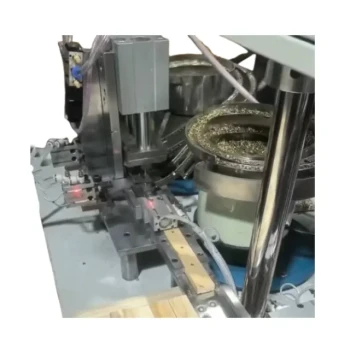
Artificial insemination (AI) equipment acts as the foundational hardware for precision genetic control in honeybee breeding. By mechanically injecting semen from specific, selected drones into queen bees, this technology circumvents the unpredictability of natural mating. It allows breeders to establish accurate pedigrees, strictly manage inbreeding levels, and isolate specific genetic traits that are critical for colony success.
By replacing the uncertainty of open-air mating with precise manual intervention, artificial insemination equipment enables the creation of defined lineages, the exclusion of unwanted genetics, and the rapid stabilization of superior traits like disease resistance and high honey yields.
Overcoming the Uncertainty of Nature
The Limitation of Open Mating
In the wild, queen bees mate on the wing with multiple drones from unknown sources. This randomness makes it nearly impossible to predict the genetic makeup of the offspring or guarantee the transfer of desirable traits.
Precision Through Mechanical Intervention
AI equipment solves this by allowing technicians to physically collect semen from specific drones and inject it into the queen. This ensures that the paternal side of the genetic equation is known and controlled, rather than random.
Eliminating Geographic Constraints
Traditionally, controlled breeding required physical isolation, such as on islands or in remote mountain valleys. AI equipment removes this barrier, allowing for selective breeding in any location without the logistical costs of transporting hives to isolated zones.
Strategic Genetic Management
Establishing Accurate Pedigrees
The primary role of this equipment is the creation of verifiable lineage records. By documenting exactly which drone line mated with which queen, breeders can track genetic progress over generations.
Controlling Inbreeding Levels
Maintaining genetic diversity is vital for colony health. AI tools allow breeders to calculate and manipulate inbreeding coefficients precisely, ensuring populations remain distinct without becoming genetically stagnant or weak.
Accelerating Trait Selection
When breeders identify a specific characteristic—such as high honey yield, Carniolan production capacity, or Caucasian disease resistance—AI equipment allows them to lock that trait into the population. This creates high-quality breeder queens that consistently pass on these superior attributes.
Biosecurity and Conservation
Maintaining Genetic Purity
In regions with invasive species, such as Africanized bees, AI equipment serves as a firewall. It allows breeders to maintain a "closed population," ensuring that outside genetics do not infiltrate and dilute the purity of European germplasm.
Preserving Indigenous Species
For conservationists, this equipment is a tool for restoration. It enables the breeding of indigenous bee species adapted to local climates in a controlled laboratory setting, protecting them from hybridization with imported commercial strains.
Understanding the Trade-offs
Requirement for Specialized Skills
While effective, this is not a "plug-and-play" solution. Successful use of AI equipment requires high technical proficiency, steady hands, and deep knowledge of bee anatomy to avoid injuring the queen.
Integration with Broader Systems
The equipment does not work in a vacuum. It must be paired with professional queen rearing tools—such as grafting needles and cell cups—and a rigorous scientific breeding program to yield results.
Making the Right Choice for Your Goal
Whether you are running a commercial operation or a research facility, the role of AI equipment shifts based on your end goal.
- If your primary focus is Commercial Productivity: Use AI equipment to fix high-performance traits like honey yield and disease resistance to maximize technical efficiency.
- If your primary focus is Scientific Research: Rely on AI for absolute control over drone lineages to analyze specific genetic variables in a laboratory setting.
- If your primary focus is Conservation: Utilize the equipment to maintain genetic isolation and protect the purity of indigenous strains from invasive genetics.
Mastering artificial insemination transforms beekeeping from a game of chance into a precise science of genetic engineering.
Summary Table:
| Feature | Role in Genetic Improvement | Key Benefit |
|---|---|---|
| Semen Collection & Injection | Replaces random open-air mating | Guaranteed paternal lineage and pedigree accuracy |
| Trait Isolation | Fixes specific genes (e.g., honey yield, disease resistance) | Rapid stabilization of superior commercial traits |
| Inbreeding Control | Precise manipulation of inbreeding coefficients | Maintains colony vigor while ensuring genetic purity |
| Geographic Independence | Eliminates need for isolated mating stations | Enables high-level breeding in any location |
| Biosecurity Barrier | Prevents infiltration of invasive genetics | Protects indigenous species and European germplasm |
Elevate Your Apiary with Professional Breeding Solutions
Take total control of your bee genetics with HONESTBEE. As a premier provider for commercial apiaries and global distributors, we supply the precision hardware necessary to transform your breeding program from a game of chance into a predictable science.
Why partner with HONESTBEE?
- Comprehensive Wholesale Catalog: From advanced artificial insemination tools and hive-making machinery to high-efficiency honey-filling equipment.
- End-to-End Support: We provide the full spectrum of beekeeping tools and essential industry consumables tailored for large-scale operations.
- Industry Expertise: We help you maximize productivity through specialized hardware and honey-themed cultural merchandise.
Ready to stabilize superior traits and increase your honey yields? Contact HONESTBEE today to explore our wholesale offerings and secure the future of your genetic lineage.
References
- G.E.L. Petersen, Peter K. Dearden. Designing and implementing a genetic improvement program in commercial beekeeping operations. DOI: 10.1080/00218839.2020.1715583
This article is also based on technical information from HonestBee Knowledge Base .
Related Products
- Queen Bee Artificial Insemination Instrument Equipment for Instrumental Insemination
- Retractable Chinese Queen Rearing Grafting Tools Equipment
- Automatic Pneumatic Bee Frame Machine for Eyelet Insertion
- Portable Bee Mating Hive Boxes Mini Mating Nucs 8 Frames for Queen Rearing
- Styrofoam Mini Mating Nuc Box with Frames Feeder Styrofoam Bee Hives 3 Frame Nuc Box
People Also Ask
- Why is maintaining sanitary conditions important during artificial insemination? Protect Your Queen from Fatal Infections
- Why are artificial insemination instruments critical in bee hybridization? Master Genetic Control & Pure Breeding
- What is the core value of bee artificial insemination instruments in breed improvement? Achieve Precise Genetic Control
- Why is professional bee artificial insemination equipment considered a core tool for genetic control in honeybee breeding? Ensure 100% Purity
- Why is high-purity CO2 used for queen bee artificial insemination? Unlock Precision Breeding & Faster Egg-Laying