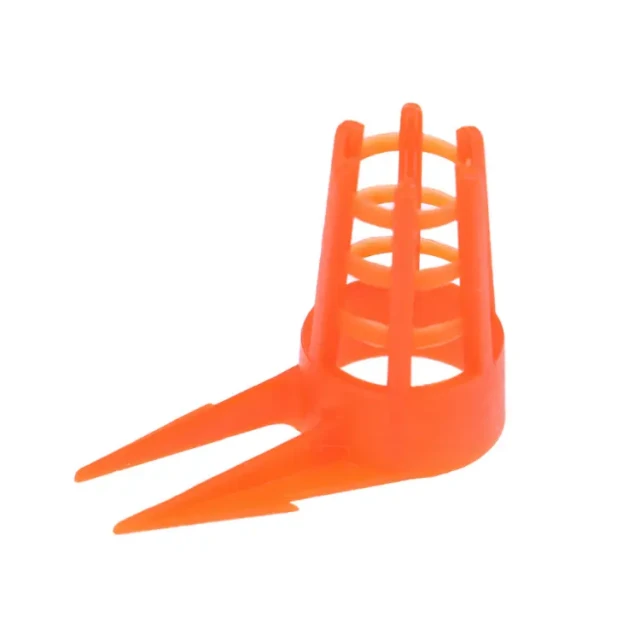
Queen Cell Cup
JZBZ Style Push-In Cell Protector for Professional Queen Rearing Kits
Item Number : QCC-8
Price varies based on specs and customizations
- Material
- High-Impact Polypropylene
- Mounting Type
- Dual Prong Push-In System
- Primary Use
- Cell protection, safe introduction, transport

Shipping:
Contact us to get shipping details Enjoy On-time Dispatch Guarantee.
Why Choose Us
Easy ordering process, quality products, and dedicated support for your business success.
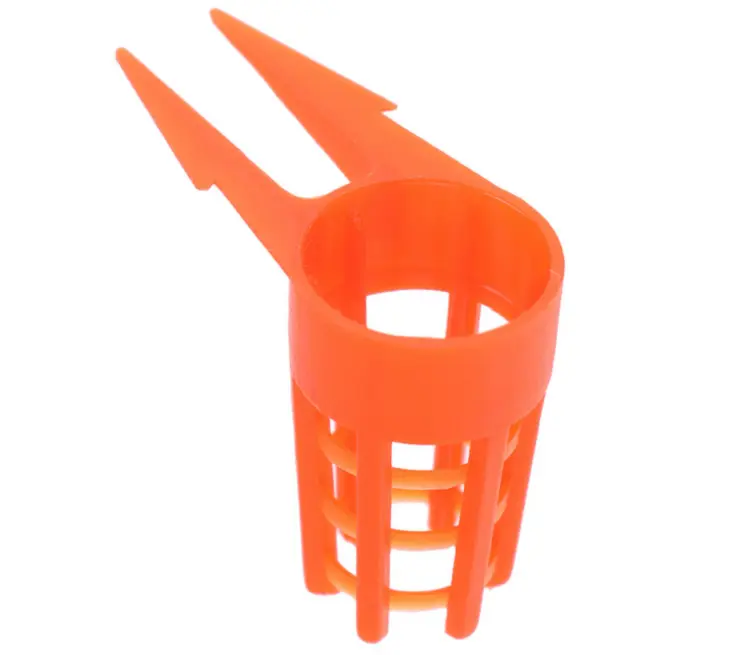
At HONESTBEE, we understand that for commercial queen breeders and apiary managers, every queen cell represents a significant investment of time and resources. Protecting these cells during the critical introduction phase is non-negotiable. Our JZBZ Push-In Cell Protector is a specialized component designed to integrate seamlessly into your Queen Rearing Kit, offering a versatile and reliable solution for protecting developing queens directly on the comb.
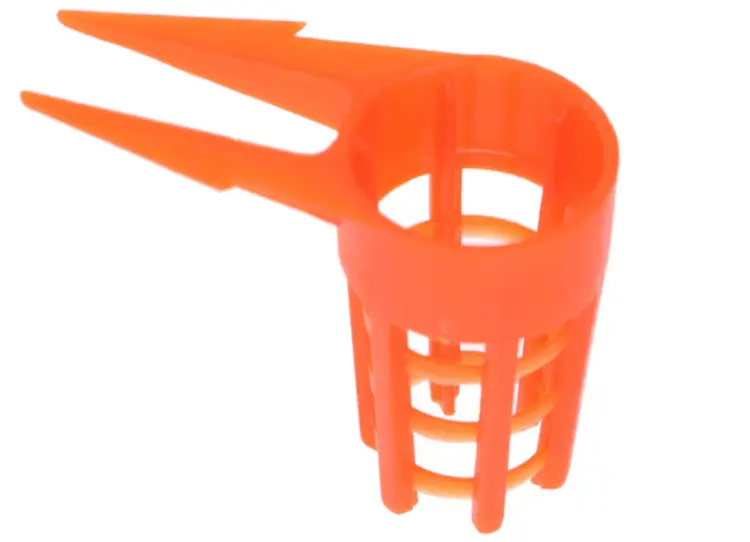
Professional Design and High-Visibility Construction
This cell protector is engineered for functionality in the field. Unlike complex cage systems that require specific frame bars, the Push-In protector is designed for flexibility and immediate application.
- High-Visibility Material: Manufactured from durable, high-impact polypropylene in a striking bright orange color. This ensures that beekeepers can instantly locate the queen cells within a busy hive during inspections, reducing the risk of accidental damage.
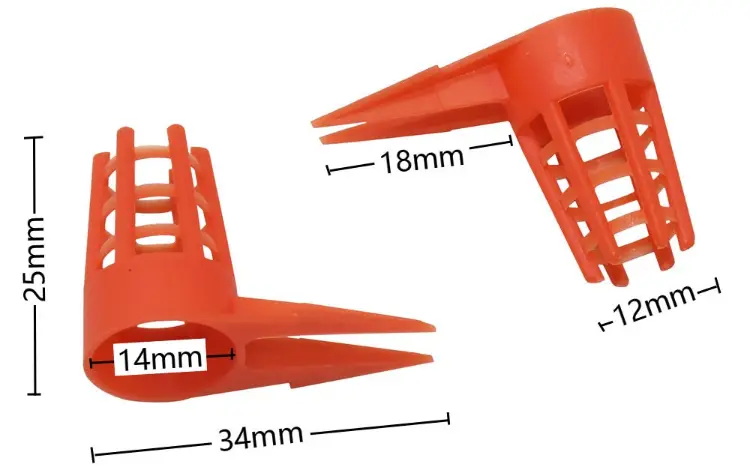
- Dimensions:
- Total Height: 2.5 cm (1.0 in)
- Top Diameter: 1.2 cm (0.5 in)
- Total Base Length: 3.4 cm (1.3 in)
- Prong Length: Approx. 1.8 cm (0.7 in)
- Protective Grid Structure: The body features a robust open-mesh grid. This design is critical as it protects the virgin queen or cell from aggression by worker bees or the resident queen, while still allowing full airflow and the free exchange of pheromones (Queen Mandibular Pheromone) to ensure colony acceptance.
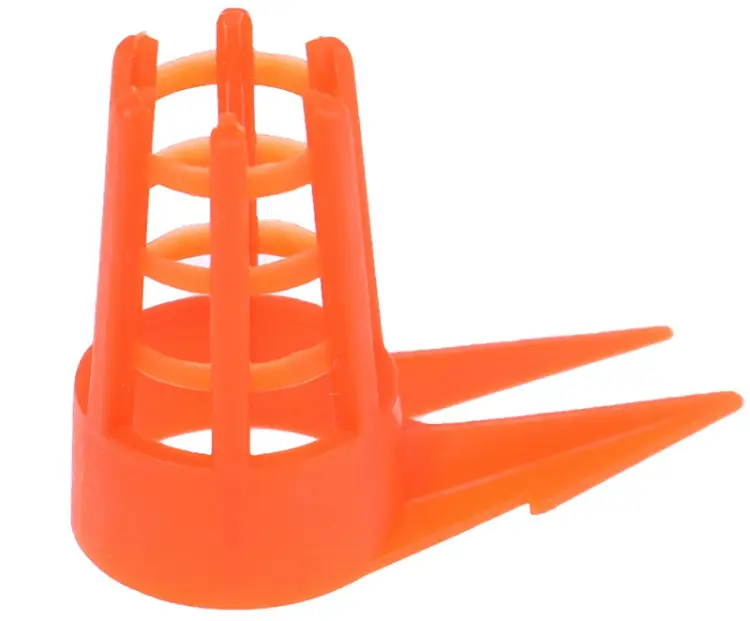
Versatile Functionality: The Push-In Advantage
The defining feature of this component of the Queen Rearing Kit is its "Push-In" mounting system.
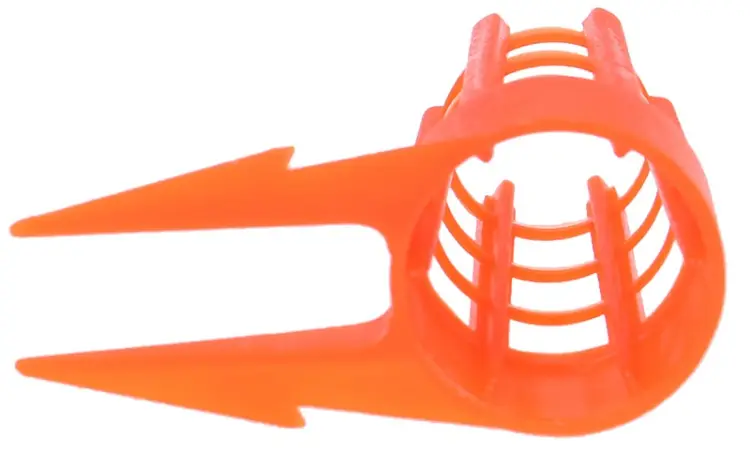
1. Secure Forked Mounting The base features two sturdy, tapered prongs (legs). These allow the beekeeper to firmly anchor the protector directly into the wax honeycomb. Whether you are placing it over a natural swarm cell built on the face of a comb or introducing a grafted cell cup, the dual-prong design prevents the cage from falling off, even during hive transport.
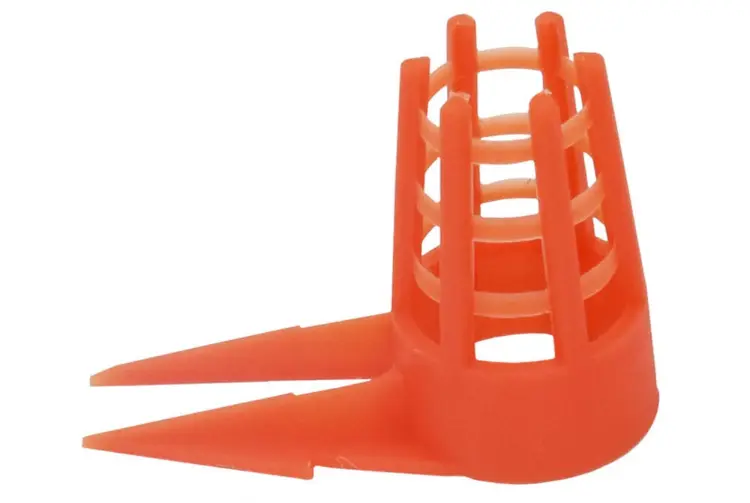
2. Universal Application While designed to complement JZBZ style cups, the wide internal cavity and open bottom allow this protector to be placed over natural queen cells found on the comb. This makes it an invaluable "emergency" tool for beekeepers who find unexpected superior cells they wish to save and transplant.
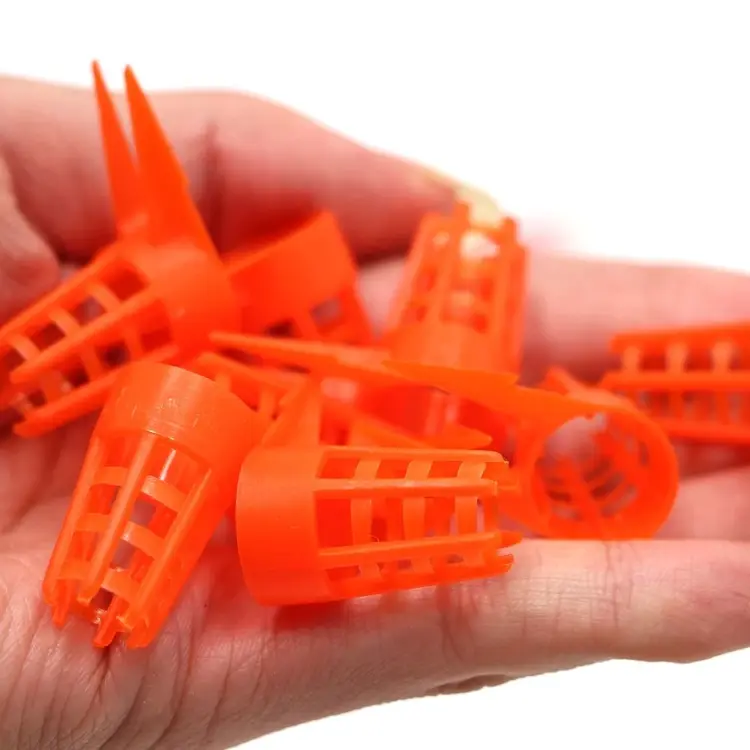
3. Safe Introduction This device is the industry standard for introducing queen cells into mating nucs or finisher colonies. It acts as a physical barrier, giving the hive time to accept the scent of the new queen cell before she emerges, significantly increasing success rates.
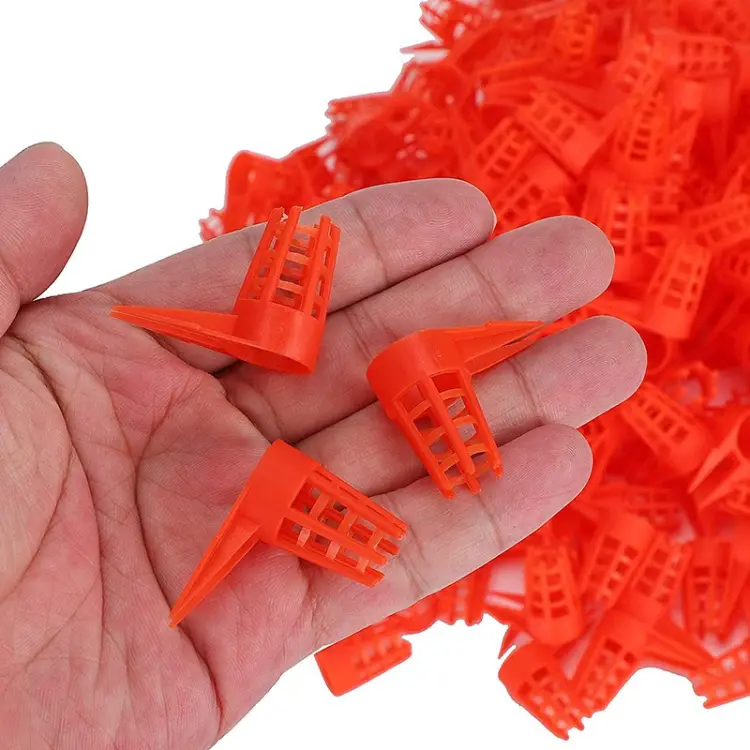
Durability and Value for Commercial Operations
For beekeeping equipment distributors and large-scale farms, the HONESTBEE Push-In Cell Protector offers long-term value:
- Reusability: The tough plastic construction withstands cleaning and sterilization. They can be boiled (at appropriate temperatures) or chemically sterilized and reused season after season.
- Efficiency: The simple design requires no assembly. It is a "grab-and-go" tool that speeds up the workflow in the breeding yard.
- Cost-Effective Asset Protection: By preventing the destruction of valuable queen cells, this small tool provides a massive return on investment by ensuring higher mating yard counts.
Product Specifications Summary
| Feature | Specification |
|---|---|
| Product Name | JZBZ Style Push-In Cell Protector |
| Material | High-Impact Polypropylene (Plastic) |
| Color | High-Visibility Orange |
| Height | 2.5 cm (1.0 inch) |
| Mounting Type | Dual Prong "Push-In" System |
| Ventilation | Open Grid Mesh |
| Compatibility | Standard Queen Rearing Kit cups & Natural Cells |
| Primary Use | Cell protection, safe introduction, transport |
Enhance Your Queen Rearing Inventory
Provide your clients with the versatile tools they need to manage their genetics effectively. The HONESTBEE Push-In Cell Protector is a must-have component for any complete Queen Rearing Kit.
Contact the HONESTBEE sales team today for wholesale pricing and bulk availability.
REQUEST A QUOTE
Our professional team will reply to you within one business day. Please feel free to contact us!
Related Products

JZBZ Push-In Queen Cell Cups for Beekeeping
Enhance queen rearing with JZBZ Push-In Cell Cups—secure fit, smoky visibility, color coding options. Ideal for beekeepers worldwide.
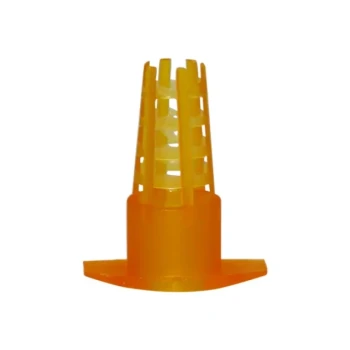
JZBZ Style Shipping Cell Protector for Queen Rearing Kit
Protect queen cells during transport with the JZBZ Style Shipping Cell Protector. Features a candy cap and hanging flanges for your Queen Rearing Kit.

Premium Nicot Style Cell Bar Holder and Queen Cell Cup Holder System
HONESTBEE Nicot Cell Bar & Cup Holder for efficient queen rearing. Professional, reusable system for beekeepers.

Inner Beehive Cover for Beekeeping Bee Hive Inner Cover
Enhance hive efficiency with our durable inner beehive cover. Insulates, ventilates, and protects bees, ensuring optimal hive conditions for healthier colonies.

Beehive Entrance Reducer Guardian Metal Hive Entrance for Bees
Optimize your beehive with our durable hive entrance reducer. Enhance security, pest control, and bee efficiency. Fits Langstroth hives. Shop now!
Related Articles
How to Protect Queen Cells: A Beekeeper’s Guide to Reliable Methods
Learn effective methods to protect queen cells in beehives, from physical barriers to seasonal strategies for optimal hive health.

How Beekeepers Can Maximize Queen-Rearing Success with the JZBZ System
Learn how the JZBZ queen-rearing system boosts colony strength, mite resistance & honey yields with science-backed techniques for beekeepers.
How to Replace Queen Cells in Nucleus Hives Without Triggering Bee Drifting
Learn how to replace queen cells in nucleus hives without triggering bee drifting, reducing worker bee losses by over 60% in commercial operations.
The Art of Deception: Integrating Queen Rearing Kits into the Hive Mind
Successful queen rearing isn't just mechanical; it's about understanding bee psychology to make an artificial kit feel like a natural home.
Mastering Queen Rearing: A Beekeeper’s Guide to Reliable Production
Master queen rearing with expert tips on colony prep, grafting, and mating success for beekeepers. Boost productivity with proven methods.
The Beekeeper's Dilemma: Engineering Control in Queen Rearing
Choosing a queen rearing method is a trade-off between the genetic lottery of simple splits and the precise control of advanced grafting.
Biology's Unforgiving Schedule: Mastering the Two Critical Windows of Queen Rearing
Successful queen rearing hinges on two rigid biological windows: grafting young larvae and separating cells. Missing either can lead to total failure.
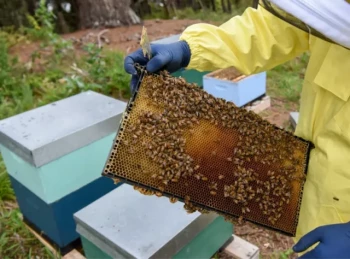
How to Successfully Introduce Queen Cells to Beehives: A Beekeeper’s Guide
Learn expert tips for successfully introducing queen cells to beehives, ensuring colony health and productivity with minimal risks.
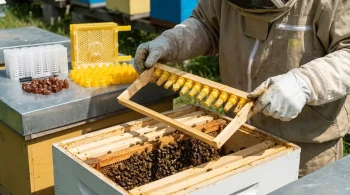
Harnessing the Emergency Impulse: The Biology of Commercial Queen Rearing
Successful queen rearing isn't about mechanics, but about expertly triggering a bee colony's powerful, instinctual emergency response to queenlessness.
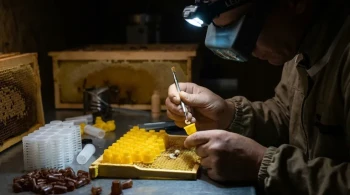
The Architect of the Hive: Turning Queen Rearing from Art to Engineering
Master queen grafting by understanding the psychological traps and systemic preparations that separate hobbyists from commercial success.
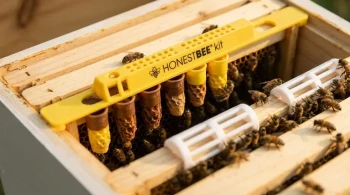
Manufacturing Royalty: The Precise Architecture of Queen Rearing
Successful queen rearing relies not on a single hive, but a three-stage system that manipulates bee behavior to produce high-quality queens.
Your Queen Insemination Success Is a Numbers Game—Here’s How to Win
Struggling with low queen insemination rates? The problem isn't your skill—it's the math. Learn the root cause and how to fix it.