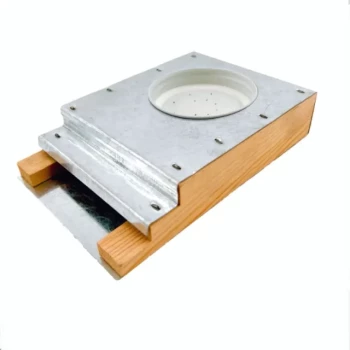
Feeder pots are critical management tools designed to artificially sustain honeybee colonies when natural resources fail.
These specialized containers serve two primary functions: providing supplementary nutrition (syrup or pollen) to prevent starvation during nectar scarcities, and acting as a controlled medium for administering necessary medications to treat hive diseases. Ultimately, they are essential for ensuring year-round colony vitality and pollination readiness.
Core Takeaway Feeder pots are not merely emergency measures; they are strategic instruments for population management. By bridging the gap between natural nectar flows, they prevent colony collapse, stimulate egg-laying, and ensure the hive remains strong enough to capitalize on the next productive season.
The Strategic Role of Supplemental Feeding
Preventing Starvation and Decline
When natural forage is unavailable—such as during droughts or non-flowering periods—colonies face the immediate risk of starvation. Feeder pots provide the calories required to maintain metabolic activity. Without this intervention, colonies are prone to severe shrinkage, cessation of egg-laying, or even absconding (abandoning the hive) due to hunger.
Stimulating Population Growth
Survival is only the baseline; the deeper goal is readiness. Liquid feeders provide syrup that mimics a nectar flow, which stimulates the queen to continue or accelerate egg-laying. This is particularly vital in early spring to build the workforce before natural blooms appear.
Replenishing Winter Reserves
Preparing for the cold season requires a shift in feeding strategy. High-capacity liquid feeders are used to rapidly replenish winter stores with high-concentration syrup. This ensures the colony has sufficient energy reserves to generate heat and survive through late autumn and winter.
Beyond Calories: Health and Nutrition
A Vehicle for Disease Management
The primary reference highlights a critical, often overlooked function: medication delivery. Feeder pots serve as an efficient medium for administering treatments for bee diseases. Mixing medication into the feed ensures a controlled uptake by the bees, treating the colony internally.
Protein for Brood Development
While syrup provides energy, it does not support tissue growth. Supplementary references indicate that pollen patties or substitutes must be used when natural pollen is scarce. These protein sources are essential for brood rearing, ensuring new generations of bees can develop even when the environment cannot support them.
Critical Considerations for Effectiveness
Matching the Feed to the Need
A common pitfall is providing the wrong type of nutrition for the colony's current goal. Sugar syrup maintains adult energy and foraging drive, whereas protein (pollen) is strictly required for brood rearing. Failing to provide protein during early spring can result in a population bottleneck, regardless of how much syrup is available.
Timing the Intervention
Feeding is most effective when it is preventative rather than reactive. Professional feeding systems are designed to bridge specific gaps—such as the lull before a rapeseed or lychee bloom. Waiting until the colony has already shrunk due to starvation significantly reduces the effectiveness of the intervention and jeopardizes the upcoming harvest.
Making the Right Choice for Your Goal
To maximize the effectiveness of feeder pots, align your feeding strategy with your specific objective:
- If your primary focus is Overwintering: Use high-capacity feeders with concentrated syrup to quickly build up energy stores before the cold sets in.
- If your primary focus is Spring Buildup: Utilize liquid feeders to stimulate the queen and provide pollen patties to support the heavy protein demand of rearing new brood.
- If your primary focus is Disease Control: Use the feeder pot as a precise delivery mechanism for medicated syrup to treat internal ailments without disrupting the hive.
Active management through targeted feeding transforms a colony from a passive survivor into a productive powerhouse ready for the next flow.
Summary Table:
| Feeding Goal | Recommended Supplement | Primary Function |
|---|---|---|
| Overwintering | High-Concentration Syrup | Rapidly builds energy reserves for winter heat generation. |
| Spring Buildup | Liquid Syrup & Pollen Patties | Stimulates queen egg-laying and provides protein for brood. |
| Disease Control | Medicated Syrup | Provides a controlled medium for internal colony treatments. |
| Drought Support | Low-Concentration Syrup | Mimics natural nectar flow to prevent hive absconding. |
Maximize Your Colony Productivity with HONESTBEE
At HONESTBEE, we understand that commercial success in beekeeping depends on the health and resilience of your hives. We cater to commercial apiaries and distributors by offering a comprehensive wholesale range of professional-grade beekeeping tools and machinery.
Whether you need precision feeder pots, specialized hive-making equipment, or high-efficiency honey-filling machines, our portfolio is designed to scale your operations. From essential industry consumables to unique honey-themed cultural merchandise, we provide the full spectrum of equipment to ensure your business thrives in every season.
Ready to elevate your wholesale supply? Contact HONESTBEE Today to discover how our premium beekeeping solutions can add value to your business.
References
- Md Ektarul Islam, Faruki Shabia Maraj. Foraging behavior and honey production of Apismellifera L.. DOI: 10.3329/ajmbr.v1i2.25630
This article is also based on technical information from HonestBee Knowledge Base .
Related Products
- Rapid Bee Feeder White Plastic 2L Round Top Feeder for 8 or 10-Frame Bee Hives
- HONESTBEE Round Hive Top Bee Feeder for Syrup
- HONESTBEE Entrance Bee Feeder Efficient Hive Front Liquid Feeding Solution for Beekeeping
- White Plastic 0.5L Beekeeping Entrance Feeder for Bees
- Professional Hive Top Bee Feeder for Beekeeping
People Also Ask
- What should be done with feeders and equipment after feeding bees? Essential Steps for Apiary Health
- What should be done if feed in a feeder is not consumed by the bees? Prevent Hive Mold with Prompt Feed Management
- What is the necessity of specialized internal or entrance feeders? Secure Your Hive with Professional Feeding Tools
- How do bee feeders work to preserve colony health during nectar shortages? Essential Guide for Beekeepers
- How quickly does a medium to strong colony usually empty a feeder? A Beekeeper's Guide to Hive Health