Specialized sealed sampling containers serve a critical dual purpose in the management of American Foulbrood (AFB): absolute containment and sample preservation. These containers provide a physical barrier that prevents the leakage of highly infectious bacterial spores during transport from the apiary to the laboratory. Simultaneously, they maintain the original biological activity of the brood comb sample, ensuring the material remains viable for accurate diagnostic testing.
By hermetically isolating the sample, these containers act as a firewall against pathogen spread while stabilizing the biological evidence required for a definitive diagnosis.
The Imperative of Biosecurity
Establishing a Physical Barrier
The primary role of these specialized bags is physical isolation. AFB is driven by resilient bacterial spores that are easily spread.
The sealed container encapsulates the standard-sized brood comb sample. This prevents pathogenic microorganisms from contaminating the transport vehicle, the handler, or other equipment.
Preventing Environmental Contamination
During the journey from the field to the lab, the risk of "leakage" is high with improper packaging.
Specialized containers ensure absolute biosecurity. They stop infectious spores from escaping into the environment, effectively breaking the chain of transmission before the sample even reaches the test bench.
Ensuring Diagnostic Precision
Preserving Biological Integrity
For a lab to confirm AFB, the sample must be analyzed in a state that reflects its condition in the hive.
The sealed environment preserves the original biological activity of the sample. This protection prevents the degradation of the biological material caused by external environmental factors like drying out or contamination.
Supporting Accurate Analysis
Laboratory diagnosis often involves microscopic examination and biochemical analysis.
By maintaining the sample's integrity, these containers ensure the diagnostic results are accurate. A compromised sample could lead to inconclusive results or missed detections.
Common Pitfalls to Avoid
The Risk of Improper Sealing
The effectiveness of this protocol relies entirely on the integrity of the seal.
If a container is not specialized or is sealed improperly, the biological integrity is compromised. This can render the sample useless for sensitive laboratory tests.
Contamination During Handling
While the bag contains the sample, the exterior must remain clean.
Failing to ensure the outside of the bag is free of honey or debris can attract robber bees or contaminate other samples. The focus on isolation applies to the entire handling process, not just the final seal.
Making the Right Choice for Your Goal
To ensure your diagnostic efforts yield reliable results without endangering your operation, consider the following priorities:
- If your primary focus is Biosecurity: Ensure the container is robust and hermetically sealed to prevent the escape of infectious spores during transport.
- If your primary focus is Diagnostic Accuracy: Prioritize containers that preserve the moisture and biological state of the comb to support microscopic and biochemical validation.
Proper sampling containment is not just a logistical step; it is the foundation of accurate disease confirmation and responsible apiary management.
Summary Table:
| Feature | Role in AFB Management | Benefit for Labs & Apiaries |
|---|---|---|
| Physical Barrier | Absolute containment of bacterial spores | Prevents cross-contamination during transport |
| Hermetic Sealing | Isolates sample from environmental factors | Maintains original biological activity and moisture |
| Biosecurity | Breaks the chain of pathogen transmission | Protects the handler, vehicle, and environment |
| Material Integrity | Stabilizes evidence for microscopic analysis | Ensures accurate, definitive diagnostic results |
Secure Your Apiary’s Future with HONESTBEE
Don't let American Foulbrood (AFB) compromise your commercial operation. HONESTBEE provides the industry's most reliable beekeeping tools, specialized machinery, and essential consumables designed for commercial apiaries and distributors. Whether you need robust sampling tools, hive-making machinery, or honey-filling solutions, our comprehensive wholesale portfolio delivers the biosecurity and efficiency you demand.
Ready to elevate your diagnostic accuracy and operational safety? Contact us today to explore our full equipment range!
References
- Vladimir Polaček, Milica Živkov Baloš. MAIN RISK FACTORS OF AMERICAN FOULBROOD SPREADING IN HONEY BEES IN SERBIA. DOI: 10.46784/eavm.v14i2.287
This article is also based on technical information from HonestBee Knowledge Base .
Related Products
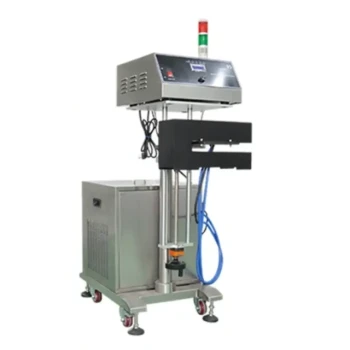
- Professional Water Cooled Induction Sealing Machine for Bottles and Containers
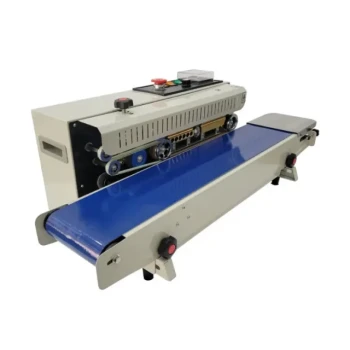
- Automatic Continuous Heat Sealing Machine
People Also Ask
- How does tamper-evident sealing equipment benefit the honey trade? Ensure Product Integrity and Market Trust
- What is the function of an induction sealing machine in packaging? Secure Your Brand with Tamper-Evident Seals
- How does an induction sealing machine work? Enhance Honey Packaging with Hermetic Seals & Tamper Evidence
- What is an induction sealing machine and how does it work? Achieve Airtight, Tamper-Evident Seals
- How does the induction sealing process work? Create Tamper-Evident, Airtight Seals for Your Products