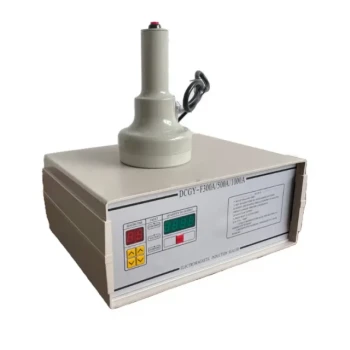
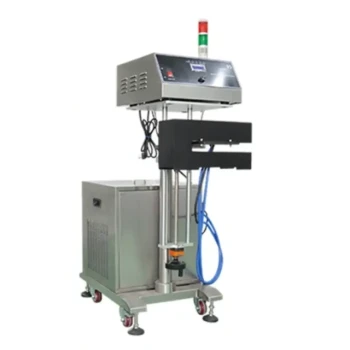
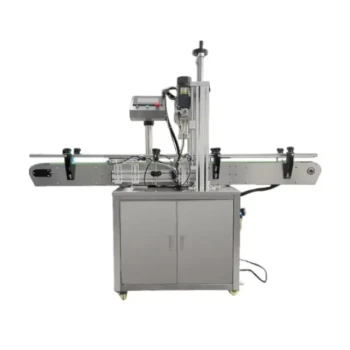
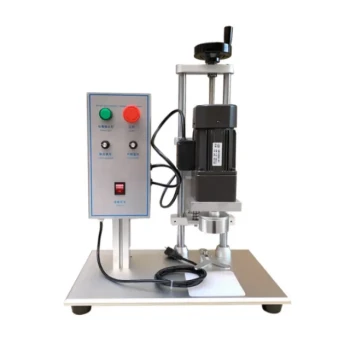
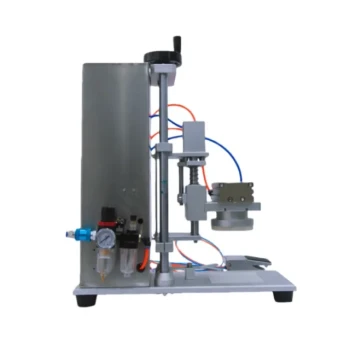
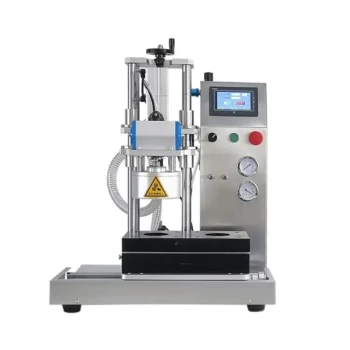
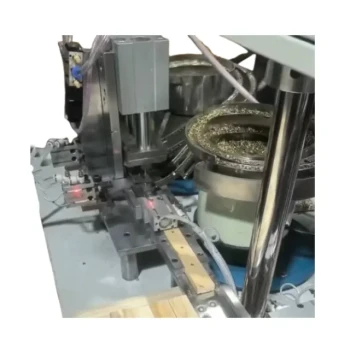
An induction sealing machine functions as a non-contact heating device that creates a hermetic, airtight bond between a container and a foil seal. By utilizing an electromagnetic field, it fuses a specialized liner to the rim of a bottle after it has been capped, ensuring the product remains sealed against leaks, contamination, and oxygen ingress.
The Core Value While standard capping prevents spills, induction sealing provides a chemically bonded barrier that guarantees product integrity. It is the primary method used to create "tamper-evident" seals that consumers trust to verify a product has not been opened prior to purchase.
The Mechanism: How Induction Sealing Works
The Non-Contact Process
Unlike traditional heat sealers that require hot bars to physically touch the packaging, an induction sealer works entirely through electromagnetic induction.
The container passes under the sealing head on a conveyor after the cap has already been applied. The machine never physically touches the bottle or the foil directly.
The Role of the Cap Liner
The magic lies inside the cap. Before the bottle is capped, a specialized liner is inserted. This liner contains a layer of aluminum foil and a polymer coating.
Once the capped bottle enters the electromagnetic field, the oscillating energy induces an electrical current specifically within the aluminum foil layer.
Creating the Bond
This current causes the foil to heat up rapidly. The heat melts the polymer coating on the underside of the foil.
Because the cap is screwed on tight, the necessary pressure is already present. As the polymer melts, it bonds to the lip of the container. When the bottle leaves the magnetic field and cools, the polymer solidifies, creating a permanent seal.
Why Industries Rely on This Technology
Absolute Leak Prevention
For liquids and semi-liquids (like honey or beverages), a simple screw cap is often insufficient for transport. Vibration and pressure changes can cause leaks.
Induction sealing creates a fused barrier across the entire mouth of the container, making leakage virtually impossible during shipping and handling.
Extending Shelf Life
Oxygen and moisture are the enemies of freshness. An induction seal creates an airtight (hermetic) environment.
This preserves flavor, prevents dryness in solid products, and stops oxidation in pharmaceuticals and food products.
Consumer Safety and Tamper Evidence
In the pharmaceutical and food sectors, safety is paramount. The induction seal serves as a visual guarantee of purity.
If the seal is broken or missing, the consumer immediately knows the package has been compromised. This builds trust and reduces liability for manufacturers.
Understanding the Trade-offs
Material Compatibility
Induction sealing relies on the container being non-conductive. It works exceptionally well with plastic and glass bottles.
However, if you are using metal containers or metal caps, the process becomes significantly more complex and may require specialized equipment to prevent the cap or container itself from heating up dangerously.
The Cost of Consumables
While the machine is an investment, the ongoing cost lies in the liners.
You cannot use standard wadding; you must purchase caps equipped with induction-compatible foil liners (often called "heat induction liners"). This adds a small incremental cost to every unit produced.
Making the Right Choice for Your Goal
- If your primary focus is extending shelf life: Use induction sealing to create a hermetic oxygen barrier that locks in freshness for products like honey or pharmaceuticals.
- If your primary focus is shipping security: Implement induction sealing to prevent costly leaks and returns caused by cap loosening during transit.
- If your primary focus is consumer trust: rely on this technology to provide the industry-standard tamper-evident seal that signals safety to your customers.
Ultimately, induction sealing transforms a simple package into a secure, professional vessel that protects both your product and your brand reputation.
Summary Table:
| Feature | Function & Benefit |
|---|---|
| Sealing Method | Non-contact electromagnetic induction heating |
| Core Purpose | Creates a hermetic, airtight, and tamper-evident bond |
| Product Protection | Prevents leaks, contamination, and oxygen ingress |
| Safety Standard | Provides visible tamper evidence for consumer trust |
| Material Compatibility | Ideal for plastic (PET/HDPE) and glass containers |
| Key Outcome | Extended shelf life and reduced transit damage |
Elevate Your Packaging Standards with HONESTBEE
At HONESTBEE, we specialize in empowering commercial apiaries and distributors with professional-grade machinery designed for excellence. Our comprehensive wholesale offering includes high-precision induction sealing machines and honey-filling systems that ensure your products are leak-proof, fresh, and tamper-evident.
Whether you are a distributor looking for robust equipment or a large-scale honey producer needing to enhance your brand's security, our team provides the specialized hardware and technical expertise you need to succeed. Contact us today to optimize your production line and discover how our beekeeping tools and industrial machinery can scale your business.
Related Products
- Handheld Induction Sealing Machine for Tamper Evident Packaging
- Professional Water Cooled Induction Sealing Machine for Bottles and Containers
- Precision Automated Packaging Turntable Honey Spoon Filling Sealing Packing Machine
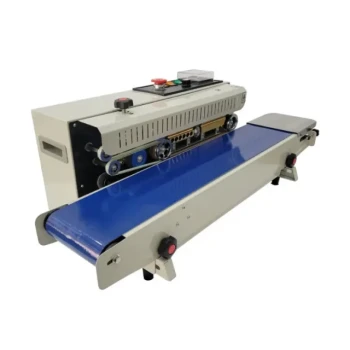
- Automatic Continuous Heat Sealing Machine
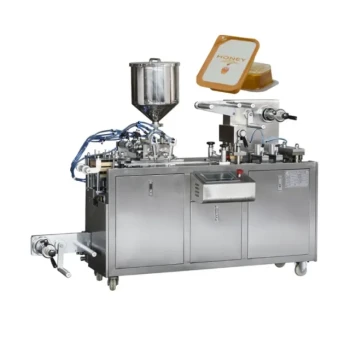
- Professional Durable Customizable Blister Packing Machine
People Also Ask
- How does tamper-evident sealing equipment benefit the honey trade? Ensure Product Integrity and Market Trust
- How does the induction sealing process work? Create Tamper-Evident, Airtight Seals for Your Products
- How does an induction sealing machine work? Enhance Honey Packaging with Hermetic Seals & Tamper Evidence
- What is an induction sealing machine and how does it work? Achieve Airtight, Tamper-Evident Seals
- What is the significance of induction sealing equipment in honey packaging? Protect Your Brand and Product Integrity