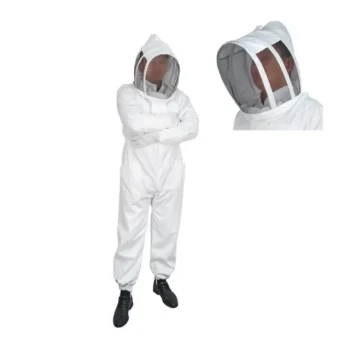
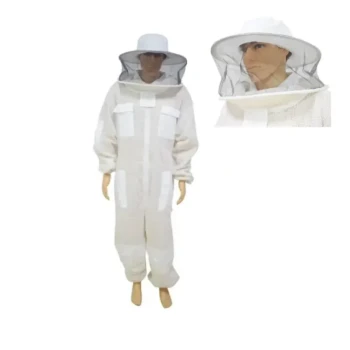
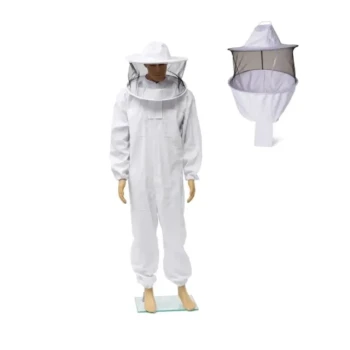
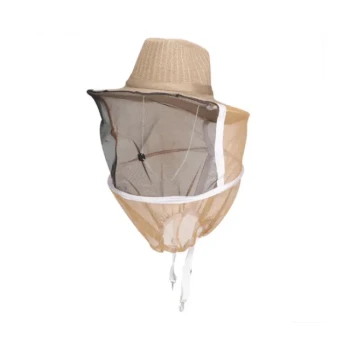
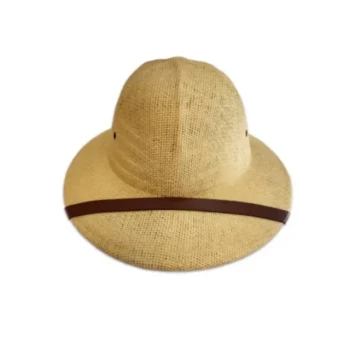
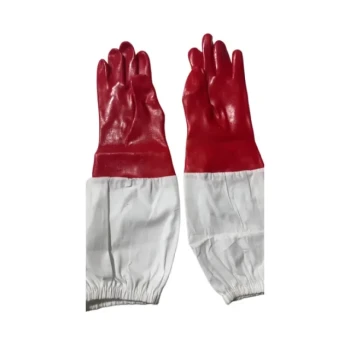
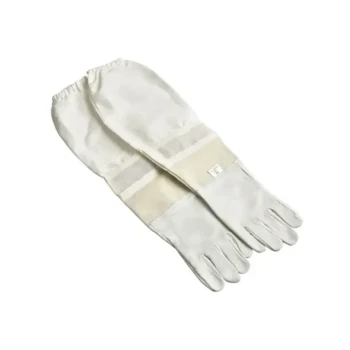
High-density protective gear is the critical operational safeguard in bee venom collection. Because the collection process inherently provokes an aggressive defense response, these suits, veils, and gloves serve as the primary line of defense, ensuring that mass colony attacks do not halt the production schedule or injure personnel.
Venom collection utilizes electrical stimulation that triggers the release of alarm pheromones, causing a spike in colony aggression far beyond normal beekeeping tasks. High-density equipment provides the necessary physical barrier to withstand these mass attacks, allowing operators to maintain the steady pace required for successful collection.
The Unique Provocation of Venom Collection
The Role of Electrical Stimulation
Unlike passive honey harvesting, venom collection is an active extraction process. Operators use electrical stimulation devices to induce the bees to sting and release venom.
Triggering Alarm Pheromones
This stimulation does not just annoy individual bees; it triggers a biological chain reaction. The electrical impulse causes the release of alarm pheromones, chemical signals that alert the entire hive to an immediate threat.
The Shift to Mass Aggression
Consequently, the colony enters a state of high excitement and defense. The operator is not dealing with a few defensive guards, but potentially a mass colony attack, requiring protection significantly more robust than standard apiary wear.
How High-Density Gear Enables Operations
A Reliable Physical Barrier
The "high-density" specification is essential. Standard lightweight suits may be insufficient against the volume of stings generated during a venom run.
Comprehensive Coverage
The system relies on a complete seal. This includes long-sleeved gloves and secured veils to prevent aggressive bees from finding gaps at the wrists or neck, which are common vulnerability points.
Maintaining Operational Consistency
Safety directly impacts workflow. By neutralizing the threat of injury, the protective gear allows the collection process to proceed according to a predetermined schedule and frequency. Without this protection, the intensity of the attack would likely force operators to abandon the task or rush the procedure, compromising the yield.
Understanding the Trade-offs
Protection vs. Dexterity
While high-density suits offer maximum bite protection, they can be heavier and stiffer than standard gear. This increased bulk provides safety during mass attacks but may slightly reduce the manual dexterity required for finer tasks, such as adjusting the collection plates.
Heat and Comfort Management
High-density fabrics are less breathable than standard mesh suits. Operators must be aware of heat stress, particularly during long collection shifts in warm weather, as the gear prioritizes impermeability to stings over ventilation.
Making the Right Choice for Your Goal
To select the appropriate protective strategy, consider the specific nature of your apiary task:
- If your primary focus is Bee Venom Collection: Prioritize high-density fabrics and sealed cuffs; the risk of mass stinging attacks outweighs the need for high ventilation or fine dexterity.
- If your primary focus is Routine Inspection or Queen Rearing: Prioritize visibility and dexterity; a lighter suit allows for the gentle, precise movements required to avoid damaging queen cells or crushing bees.
True safety in the apiary is not just about avoiding pain; it is about creating an environment where the operator can work with the calm confidence necessary to execute technical tasks efficiently.
Summary Table:
| Feature | High-Density Protective Gear | Standard Beekeeping Suits |
|---|---|---|
| Primary Use | Bee Venom Collection (High Aggression) | Routine Inspection & Queen Rearing |
| Protection Level | Maximum (Withstands mass stinging) | Moderate (Standard defense) |
| Material Weight | Heavier, tightly woven fabrics | Lighter, breathable mesh |
| Dexterity | Reduced for technical adjustments | High for precise movements |
| Key Components | Sealed cuffs, long-sleeved gloves | Standard zippers and elastic |
| Climate Suitability | Prioritizes safety over ventilation | Designed for airflow and comfort |
Maximize Your Collection Yield with HONESTBEE Professional Gear
Bee venom collection is a high-stakes operation that demands the most robust protection available. At HONESTBEE, we specialize in supporting commercial apiaries and distributors with high-performance beekeeping tools and protective equipment designed for industrial intensity.
Our comprehensive wholesale portfolio includes everything from high-density protective suits to advanced honey-filling and hive-making machinery. Whether you are looking to equip a large-scale venom production line or stock premium consumables for your distribution network, we provide the durability and safety your business needs to thrive.
Ready to scale your apiary operations? Contact us today to discuss our wholesale offerings and discover how HONESTBEE can enhance your production efficiency and operator safety.
References
- Institute for Environment and Resources, VNU-HCM, Vietnam, Dalat Pasteur Vaccine Company Limited, Vietnam. Survey on the ability to collect honey bee venom (Apis Mellifera ligustica) and evaluate the economic potential for beekeeping. DOI: 10.32508/stdjsee.v9i2.785
This article is also based on technical information from HonestBee Knowledge Base .
Related Products
- Premium Cotton Beekeeper Suit with Reinforced Fencing Veil
- Premium Three Layer Ventilated Bee Suit with Round Veil
- White Cotton Beekeeping Jacket and Veil for Bee Keepers
- Beekeeping Jacket with Hood and Veil for Beekeepers
- Vented Beekeeping Jacket with Hood and Veil for Beekeepers
People Also Ask
- What material and design specifications are recommended for a high-quality beekeeper suit? Top Gear Selection Guide
- How to Pre-treat Propolis Stains on Beekeeping Suits? Master Advanced Fabric Care and Soil Removal
- What features should be considered for sting protection in a beekeeping suit? Ensure Total Safety and Comfort
- What are the differences between full suits and jackets with veils in beekeeping? Choose Your Best Protection
- What features should be looked for in a beekeeping suit for maximum comfort? Prioritize Ventilation and Fit