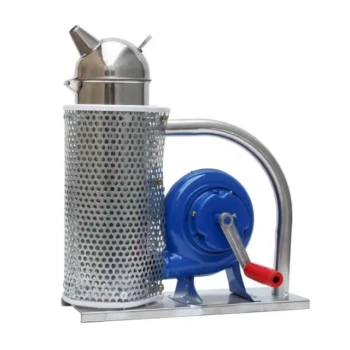
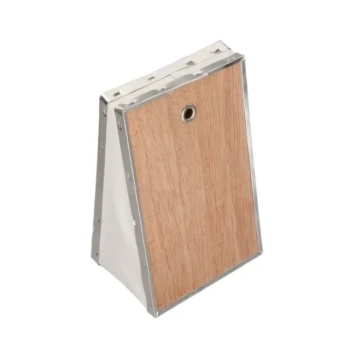
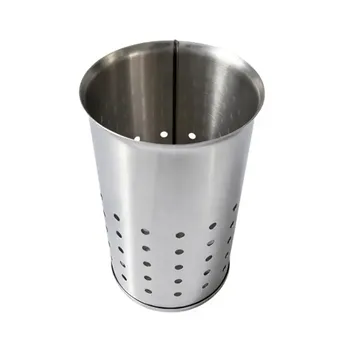
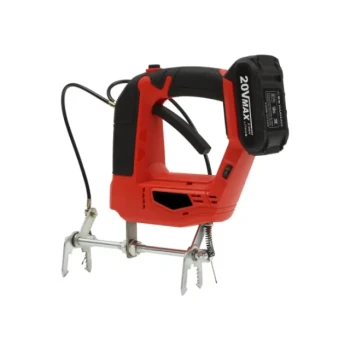
The technical mechanism of a Bee Smoker relies on chemical masking. Ideally, it functions by burning plant fibers to generate a steady stream of "cool" smoke that physically and chemically interrupts the colony's alarm system. By disrupting the transmission of alarm pheromones, the smoke temporarily sedates the bees, allowing you to perform inspections or harvest honey without triggering a coordinated defensive attack.
The bee smoker acts as a communications jammer for the hive. Its primary function is to mask the chemical signals bees use to alert one another of danger, thereby preventing the escalation of aggressive behavior.
The Biological Mechanism
Disrupting Chemical Communication
Honeybees rely heavily on olfactory signals to coordinate colony defense. When a guard bee senses a threat, she releases alarm pheromones (specifically volatile compounds like isoamyl acetate) to alert the rest of the hive.
The smoke introduces a dense particulate matter that physically masks these pheromones. It effectively creates "static" in the hive's communication network. Because the other bees cannot smell the alarm signal clearly, the colony remains in a non-defensive, sedated state.
Triggering the Survival Instinct
Supplementary analysis indicates a secondary reaction triggered by the smoke. The presence of smoke simulates the proximity of a forest fire. This triggers an ancestral survival instinct.
Sensing potential danger, bees will often retreat to the honey stores and begin consuming nectar. This engorgement prepares them to flee the hive if necessary. A bee with a full abdomen is physically less capable of stinging and is generally more lethargic, further reducing aggression.
Operational Dynamics
The Importance of "Cool" Smoke
The term "cool smoke" is technically critical. The goal is incomplete combustion of plant fibers to produce visible particulate without high heat.
Hot smoke or flames would physically injure the bees, singeing wings and causing panic rather than sedation. The device is designed to cool the smoke as it travels through the nozzle, ensuring it is safe for direct application to the frames.
Minimizing Colony Stress
Beyond operator safety, the smoker functions as a tool for hive health. An agitated colony experiences rapid fluctuations in production and high stress levels.
By preemptively disrupting the alarm response, you prevent the colony from entering a high-stress "fight" mode. This stabilizes the hive environment, reduces bee mortality during the inspection, and prevents the loss of labor time associated with recovering from a disturbance.
Understanding the Trade-offs
While essential, the bee smoker is not without operational risks. Understanding these limitations is key to effective use.
The Risk of Over-Smoking
There is a threshold where smoke shifts from a sedative to an irritant. Excessive smoke can induce panic rather than calm, causing the bees to run frantically across the combs. This makes inspection difficult and increases the risk of queen displacement or injury.
Contamination Potential
The mechanism relies on the fuel source. If synthetic materials or treated woods are used, the smoke may introduce toxic compounds into the hive. This can contaminate the honey or harm the delicate respiratory systems of the bees. Only natural plant fibers should be used to generate the smoke.
Making the Right Choice for Your Goal
To maximize the effectiveness of your smoker, tailor your approach to your specific objective:
- If your primary focus is Operator Safety: Apply a few puffs of cool smoke at the entrance a few minutes before opening the hive to mask guard pheromones immediately.
- If your primary focus is Colony Health: Use the minimum amount of smoke necessary to keep the bees calm, preventing the stress that leads to production fluctuations.
- If your primary focus is Honey Harvesting: Ensure your fuel source is 100% natural and clean to prevent any smoke flavor or chemical residue from tainting the harvest.
Mastering the smoker is about precise modulation—using just enough interference to break the chain of aggression without overwhelming the colony.
Summary Table:
| Feature | Technical Mechanism | Primary Benefit |
|---|---|---|
| Chemical Masking | Disrupts pheromone (isoamyl acetate) transmission | Prevents coordinated defensive attacks |
| Survival Instinct | Simulates forest fire; bees gorge on nectar | Reduces bee mobility and stinging capability |
| Thermal Control | Produces "Cool Smoke" via incomplete combustion | Protects bees from heat damage and wing singeing |
| Stress Reduction | Prevents colony from entering "fight" mode | Maintains honey production and reduces mortality |
Scale Your Apiary Operations with HONESTBEE
Are you a commercial apiary owner or a distributor looking for professional-grade beekeeping solutions? HONESTBEE is your strategic partner for high-efficiency beekeeping. We offer a comprehensive wholesale portfolio designed for industry leaders:
- Advanced Machinery: Specialized hardware including automated hive-making and precision honey-filling machines.
- Premium Tools & Equipment: High-performance smokers and hardware built for heavy-duty commercial use.
- Industry Consumables: A full spectrum of essential supplies to keep your colonies healthy and productive.
- Cultural Merchandise: Unique honey-themed products to expand your retail reach.
From industrial-scale production to professional distribution, HONESTBEE delivers the quality and reliability you need to succeed.
Ready to upgrade your equipment? Contact us today to discuss wholesale solutions!
References
- Desta Gemedi, Tesfaye Alemu Aredo. Assessment of Beekeeping Practices in Selected Urban Areas of East Shewa and West Arsi Zones of Oromia, Ethiopia. DOI: 10.11648/j.aje.20250902.11
This article is also based on technical information from HonestBee Knowledge Base .
Related Products
- Stainless Steel Honey Bee Smoker Hive and Honeycomb Smoker for Beekeeping
- Professional Bee Smoker with Elongated Spout and Durable Bellows for Beekeeping
- Premium Traditional Copper Bee Smoker with Bellows
- Heavy Duty Manual Bee Smoker Blower for Beekeeping
- European Stainless Steel Bee Smoker for Honey Bee Hive
People Also Ask
- What are bee smokers made out of? Choose the Right Material for Your Apiary
- Why is a stainless steel bee smoker considered indispensable? Master Hive Management with Cool Smoke Technology
- What type of bee smoker is recommended for a beginner? Top Picks for Easy Hive Management
- What is the best material for a bee smoker? Choose the Right Fuel for a Calm Hive
- How should a beekeeper use a smoker when approaching a hive? A Guide to Calm, Safe Inspections