The primary technical objective is to create a controlled environment for accurate data collection. By temporarily blocking the entrance, researchers force returning foragers to pause, making it possible to precisely count individuals and visually identify specific payloads like resin or pollen. This method converts a chaotic stream of flight activity into a static, measurable queue.
By creating a temporary bottleneck, this technique provides a high-fidelity snapshot of foraging efforts, allowing researchers to correlate specific resource inputs with internal colony health and stress levels.
The Mechanics of Foraging Monitoring
Creating a Countable Sample
In a free-flowing hive, the speed and volume of bee traffic can make accurate observation impossible. Closing the entrance acts as a physical pause button.
This allows observers to distinguish between different types of foragers. Specifically, it enables the precise identification of worker bees returning with loads, separating them from empty bees or those departing.
Identifying Specific Resources
The technique is particularly valuable for differentiating between resource types. Researchers can clearly see if bees are carrying pollen (for nutrition) or resin (for hive structural repair and immune defense).
Accurately categorizing these loads is essential for understanding the current priorities of the colony.
Diagnosing Colony Health Through Resource Allocation
Detecting Stress Responses
The ultimate goal of this monitoring is often to assess the biological state of the colony. The reference notes that this method allows for the detection of subtle changes in resource allocation.
If a colony is under stress—such as from disease or environmental pressure—the workforce may shift its focus.
The Link to Health Stressors
Changes in what bees bring home serve as diagnostic indicators. For example, a sudden shift in foraging effort might indicate a reaction to specific health stressors.
By capturing these distinct moments of foraging activity, researchers can infer internal hive problems that are otherwise invisible from the outside.
Understanding the Operational Trade-offs
The "Snapshot" Limitation
It is important to recognize that this technique provides a snapshot, not a continuous video feed.
Because the entrance is closed only temporarily, the data represents a specific window of time (usually peak foraging hours). While highly accurate for that moment, it must be extrapolated carefully to represent the colony's behavior over a full day or season.
Applying This Technique to Research
To effectively utilize this method, you must align the timing of the closure with your specific data requirements.
- If your primary focus is nutritional analysis: Isolate peak pollen foraging hours to gauge the colony's growth potential.
- If your primary focus is stress detection: Monitor for shifts in resin collection, which may indicate a defensive response to health challenges.
Accurate diagnosis of colony health relies on precise, granular data regarding exactly what resources the workforce is prioritizing.
Summary Table:
| Technical Objective | Functional Method | Key Data Point |
|---|---|---|
| Accuracy | Creates a physical pause button | Precise count of returning foragers |
| Resource Analysis | Enables visual identification | Differentiation between pollen and resin |
| Health Diagnostics | Detects shifts in allocation | Early identification of colony health stressors |
| Observation Quality | Converts chaos into static queue | High-fidelity snapshot of colony priorities |
Scale Your Apiary Operations with Professional Precision
At HONESTBEE, we understand that successful commercial beekeeping requires both scientific insight and the right industrial tools. Whether you are a large-scale commercial apiary or a global distributor, we provide the comprehensive infrastructure you need to thrive.
From advanced hive-making and honey-filling machinery to high-durability beekeeping tools and essential consumables, our portfolio is designed to enhance your efficiency and output. We don't just supply equipment; we empower your business to achieve better colony management and higher yields.
Ready to upgrade your beekeeping infrastructure?
Contact HONESTBEE today to discuss our wholesale offerings and discover how our specialized hardware and industry expertise can drive your success.
References
- Michael Simone-Finstrom, Marla Spivak. Increased Resin Collection after Parasite Challenge: A Case of Self-Medication in Honey Bees?. DOI: 10.1371/journal.pone.0034601
This article is also based on technical information from HonestBee Knowledge Base .
Related Products
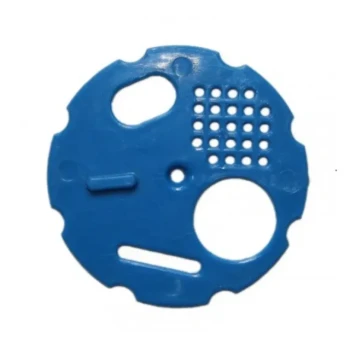
- Beehive Entrance Discs Plastic Bee Entrance Disc for Bee Hives
- Steel Round Disc Entrance Reducer for Flexzion Bee Hive Nuc Box Gate
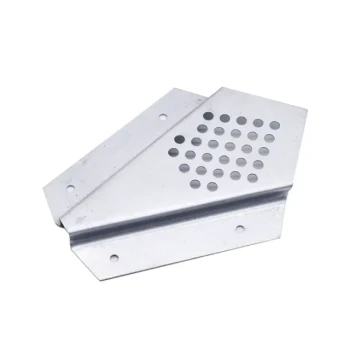
- Professional Reversible Beehive Hive Entrance
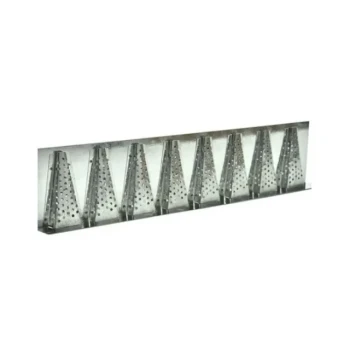
- Beehive Entrance Reducer Guardian Metal Hive Entrance for Bees
- Multi-Functional Sliding Hive Entrance for Beekeeping
People Also Ask
- What is the best entrance for a bee hive? Maximize Colony Health & Honey Production
- What happens if you block the entrance to a bee hive? Avoid This Dangerous Mistake
- How does entrance configuration vary seasonally for beekeepers? A Guide to Year-Round Hive Health
- Why adjust beehive entrance size for humidity? Boost Honey Ripening and Varroa Control in Commercial Apiaries
- How big should a beehive entrance be? Optimize for Colony Health & Honey Production