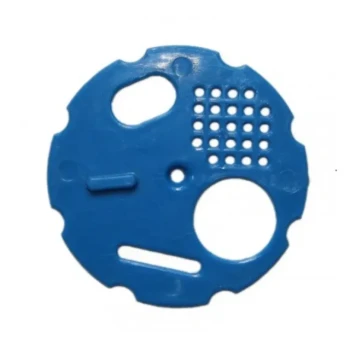
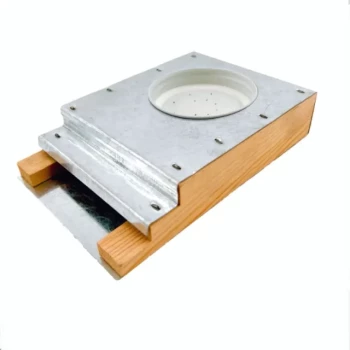
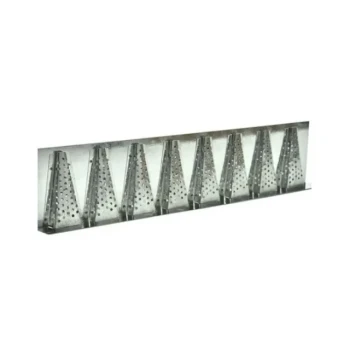
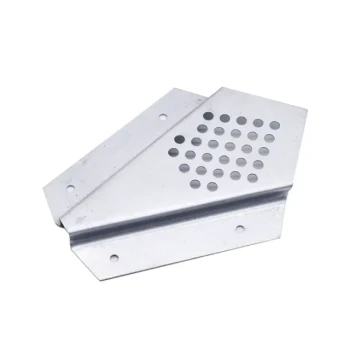
Dynamic entrance adjustment is a critical lever for precision apiary management. It allows beekeepers to modulate air resistance in real-time based on internal feedback, effectively switching the hive environment between two distinct functional modes. This capability is necessary to maximize evaporation rates during honey ripening and, conversely, to retain moisture during off-peak periods to suppress Varroa mite populations.
The core necessity of dynamic adjustment lies in the conflicting environmental requirements of a hive: you need high airflow to ripen honey, but high humidity to disrupt the life cycle of parasitic mites.
Regulating the Internal Atmosphere
The Mechanics of Air Resistance
To manage a commercial operation effectively, you cannot rely on a static hive configuration.
By using adjustable entrance plates, you can physically alter the air resistance at the hive's intake. This gives you direct control over how much external air mixes with the internal atmosphere.
Mode 1: The Production Cycle
During nectar flow, the primary goal is dehydration. Nectar contains high water content that must be evaporated to create stable, ripened honey.
Dynamic adjustment allows you to increase entrance size to minimize air resistance. This facilitates maximum airflow, ensuring sufficient moisture is removed to prevent fermentation and ensure a high-quality harvest.
Biological Control via Environmental Manipulation
Mode 2: The Off-Peak Cycle
Once the honey flow ceases, the environmental needs of the colony shift from production to health maintenance.
During these off-peak periods, maintaining maximum airflow becomes counterproductive. By constricting the entrance size, you increase air resistance and allow the colony to accumulate internal humidity naturally.
Targeted Pest Interference
The primary driver for this humidity accumulation is pest management.
Research indicates that specific humidity levels can precisely interfere with the Varroa mite life cycle. By dynamically restricting airflow when honey drying is not a priority, you create an internal climate that is hostile to mites without using chemical treatments.
Understanding the Trade-offs
The Risk of Timing Errors
The effectiveness of this technique relies entirely on accurate timing and feedback.
If you restrict the entrance during a heavy nectar flow, you risk trapping moisture. This can lead to uncured nectar and fermentation, effectively ruining the crop.
The Risk of Over-Ventilation
Conversely, failing to restrict the entrance during off-peak times leaves the hive vulnerable.
If the hive remains too ventilated when honey production is low, humidity levels will drop. This creates an environment where Varroa mites can reproduce unchecked, potentially leading to colony collapse.
Optimizing Your Entrance Strategy
To implement this effectively, you must treat the hive entrance as a throttle rather than a door.
- If your primary focus is Honey Production: Ensure entrance plates are adjusted to minimize resistance during nectar flow to accelerate moisture removal.
- If your primary focus is Pest Management: Constrict entrance sizes during off-peak periods to trap humidity and disrupt Varroa mite reproduction.
By matching the hive's airflow to its current biological phase, you turn a passive wooden box into an active tool for colony health.
Summary Table:
| Biological Phase | Goal | Entrance Adjustment | Humidity Level | Outcome |
|---|---|---|---|---|
| Nectar Flow | Honey Ripening | Fully Open (Low Resistance) | Low | Accelerated evaporation & stable honey harvest |
| Off-Peak | Pest Management | Restricted (High Resistance) | High | Varroa mite life cycle disruption & colony health |
| Over-Ventilation | Risk | Static/Open | Too Low | Accelerated mite reproduction & colony collapse |
| Under-Ventilation | Risk | Static/Closed | Too High | Nectar fermentation & crop loss |
Elevate Your Apiary Operations with HONESTBEE
At HONESTBEE, we specialize in empowering commercial apiaries and distributors with the precision tools needed for modern beekeeping. Whether you are looking to scale your production with our high-capacity honey-filling machines or require specialized hive-making hardware to implement dynamic ventilation designs, we provide the full spectrum of industrial-grade equipment.
Our comprehensive wholesale portfolio covers everything from heavy machinery to essential consumables, ensuring your operation remains competitive and healthy. Let us help you turn your hives into high-performance assets.
Ready to upgrade your equipment?
Contact our expert team today to discuss wholesale solutions
References
- Derek Mitchell. Nectar, humidity, honey bees ( <i>Apis mellifera</i> ) and varroa in summer: a theoretical thermofluid analysis of the fate of water vapour from honey ripening and its implications on the control of <i>Varroa destructor</i>. DOI: 10.1098/rsif.2019.0048
This article is also based on technical information from HonestBee Knowledge Base .
Related Products
- Beehive Entrance Discs Plastic Bee Entrance Disc for Bee Hives
- Professional Reversible Beehive Hive Entrance
- Steel Round Disc Entrance Reducer for Flexzion Bee Hive Nuc Box Gate
- Multi-Functional Sliding Hive Entrance for Beekeeping
- Multi-Functional Rotary Hive Entrance Disc for Beekeeping
People Also Ask
- What is the best entrance for a bee hive? Maximize Colony Health & Honey Production
- What happens if you block the entrance to a bee hive? Avoid This Dangerous Mistake
- How does entrance configuration vary seasonally for beekeepers? A Guide to Year-Round Hive Health
- How big should a beehive entrance be? Optimize for Colony Health & Honey Production
- What is the significance of adjusting beehive entrance orientation based on natural nesting habits? Boost Hive Yield