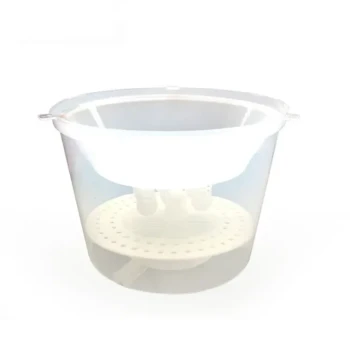
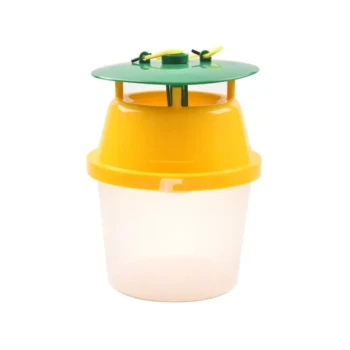
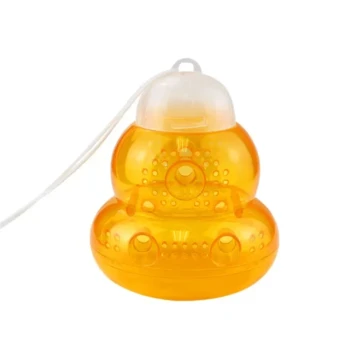
The specific dimension of 3.0 x 40.0 mm serves as a precise mechanical filter. It is engineered to create physical selective isolation within the hive environment. This geometry is calculated to allow Small Hive Beetles to access the trap while physically blocking honeybees from entering.
By leveraging the specific size difference between the pest and the host, this window dimension ensures the targeted elimination of beetles without compromising the biological safety or productivity of the honeybee colony.
The Mechanics of Selective Isolation
The Critical 3mm Threshold
The 3.0 mm width is the functional "gatekeeper" of the trap design. It acts as a binary filter based on the physical size of the insect.
This aperture is wide enough to permit the passage of the target pest, the Small Hive Beetle, allowing it to enter the trap to seek refuge or bait. However, it is sufficiently narrow to act as a solid barrier against the larger thorax of a honeybee.
Preventing Colony Interaction
The primary technical goal is to segregate the pest from the colony's workforce.
If the opening were any wider, honeybees could enter the trap, leading to accidental trapping or the consumption of bait meant for pests. The 3.0 mm constraint ensures that normal colony activities continue uninterrupted near the trap.
Optimizing Pest Entry
While the 3.0 mm width provides exclusion, the 40.0 mm length serves to maximize accessibility for the beetle.
A slot-style window (40.0 mm long) offers a larger surface area for the beetle to discover and enter compared to a simple round hole. This increases the probability of the pest finding the trap entrance quickly.
Engineering Consistency and Materials
Maintaining Precise Tolerances
For this mechanism to work, the trap material must be rigid enough to maintain the 3.0 mm gap under hive conditions.
Plastic or metal components used in these traps are selected to resist warping. If the material flexes and the gap expands even slightly, the selective isolation fails, and bees are put at risk.
The Role of Mesh Alternatives
In larger capacity traps, this same principle is applied using 8-mesh hardware cloth.
This material features an aperture of approximately 3mm, replicating the function of the 3.0 mm slot. Whether using a slot or a mesh, the technical objective remains high selectivity in pest collection.
Understanding the Trade-offs
The Risk of Obstruction
The narrow 3.0 mm dimension, while effective for exclusion, makes the trap susceptible to clogging.
Bees naturally use propolis (bee glue) to seal small cracks and crevices in the hive. Regular inspection is required to ensure bees have not sealed the trap windows, rendering the device useless.
Precision vs. Manufacturing Variance
The margin for error in these dimensions is extremely slim.
A manufacturing defect resulting in a 3.5 mm or 4.0 mm opening could prove fatal to bees. Conversely, an opening significantly smaller than 3.0 mm may prevent larger adult beetles from entering, reducing the trap's efficacy.
Making the Right Choice for Your Goal
When selecting or fabricating Small Hive Beetle traps, the physical dimensions of the entry points are the single most critical factor for safety.
- If your primary focus is Colony Safety: Verify that the trap entrance width strictly adheres to the 3.0 mm standard to prevent honeybee by-catch.
- If your primary focus is DIY Fabrication: Utilize #8 hardware cloth (8-mesh), as this standard material provides the correct ~3mm aperture without requiring precision machining.
Success in pest management relies on trusting physics to filter the target from the protected colony.
Summary Table:
| Feature | Dimension/Standard | Technical Purpose |
|---|---|---|
| Aperture Width | 3.0 mm | Acts as a mechanical filter; allows beetle entry while blocking the larger honeybee thorax. |
| Aperture Length | 40.0 mm | Maximizes surface area to increase the probability of pest discovery and entry. |
| Mesh Alternative | #8 Hardware Cloth | Provides a standardized ~3mm opening for DIY or large-scale trap fabrication. |
| Material Requirement | Rigid Plastic/Metal | Maintains structural integrity and precise tolerances under hive heat to prevent bee by-catch. |
Scale Your Apiary Efficiency with HONESTBEE
At HONESTBEE, we understand that precision engineering is the difference between a thriving colony and a failing one. We cater specifically to commercial apiaries and global distributors, providing a comprehensive wholesale inventory of precision-manufactured beekeeping tools, machinery, and essential consumables.
From high-tolerance pest management traps to advanced hive-making and honey-filling machinery, our portfolio is designed to enhance the productivity of professional beekeeping operations. Let us help you streamline your supply chain with our premium hardware and honey-themed cultural merchandise.
Ready to upgrade your wholesale supply? Contact HONESTBEE Today to Discuss Your Bulk Requirements
References
- Cesar Valdovinos-Flores, Luz María Saldaña-Loza. Boron and Coumaphos Residues in Hive Materials Following Treatments for the Control of Aethina tumida Murray. DOI: 10.1371/journal.pone.0153551
This article is also based on technical information from HonestBee Knowledge Base .
Related Products
- Reusable Aluminium Beetle Trap for Small Hive Beetles Silver Bullet
- Reusable Clear Small Hive Beetle Traps for Beehives Beetle Trapping Tools
- Removable Washable Hive Beetle Trap Attractants for Small Hive Beetles
- Black Plastic Beetle Barn Hive Beetle Trap for Beehives
- Plastic Beetle Blaster Trap Beekeeping Tools and Supplies
People Also Ask
- How should powdered substances be used in beetle traps for hive beetle control? Expert Guide for Maximum Colony Protection
- Why are beetle traps less effective during winter? Seasonal Shifts in Pest Control Explained
- When is the best time to use small hive beetle traps in cold climates? Protect Your Honeybee Winter Stores Now
- When and how should disposable traps for small hive beetles be removed? Master Hive Hygiene and Efficiency
- How do small hive beetle traps contribute to colony management? Enhance Diagnostic Accuracy and Protect Hive Health