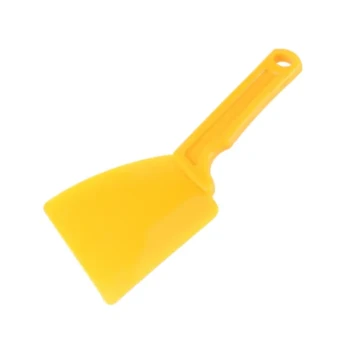
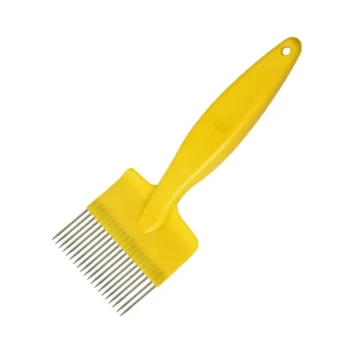
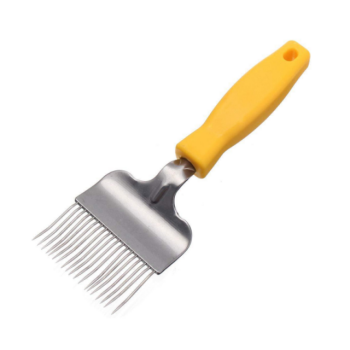
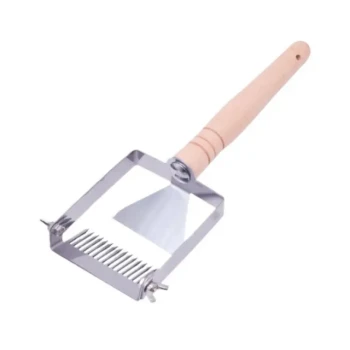
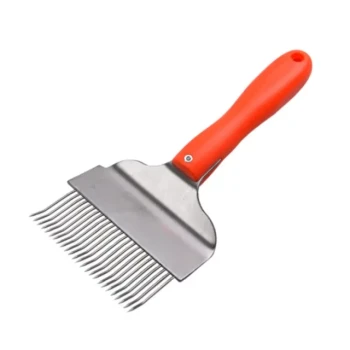
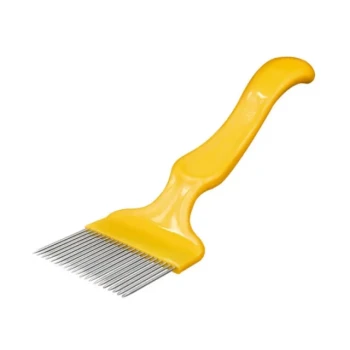
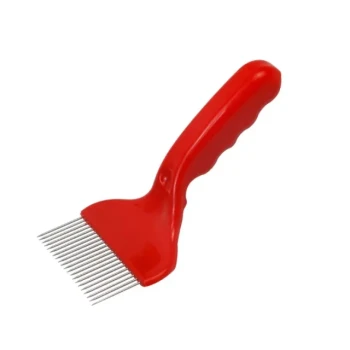
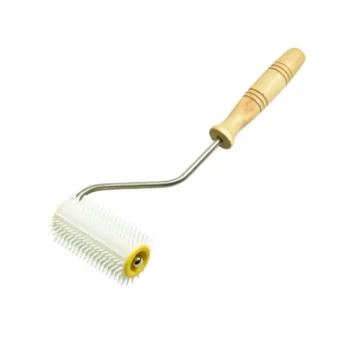
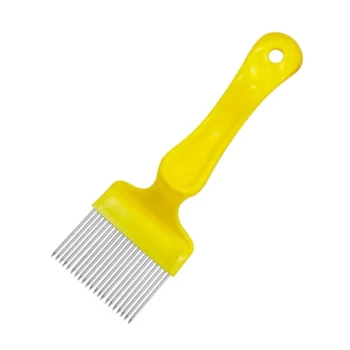
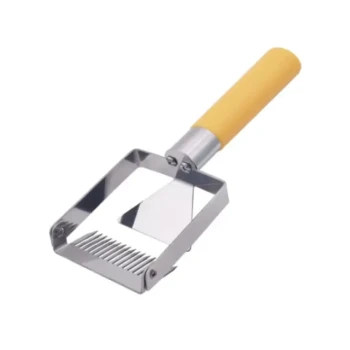
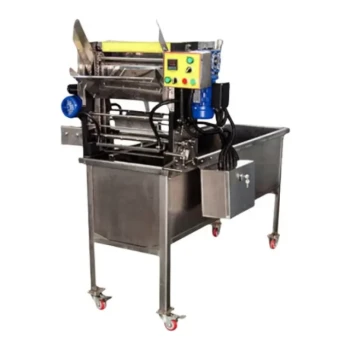
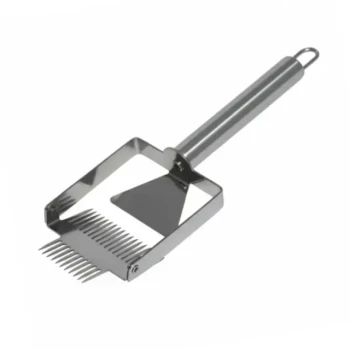
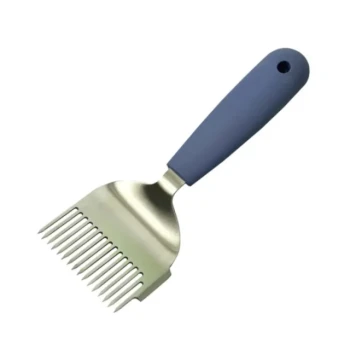
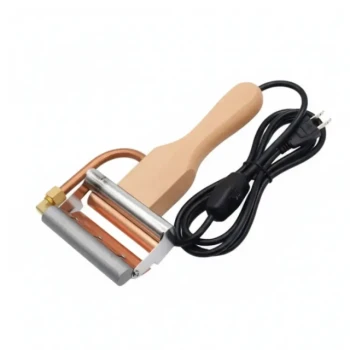
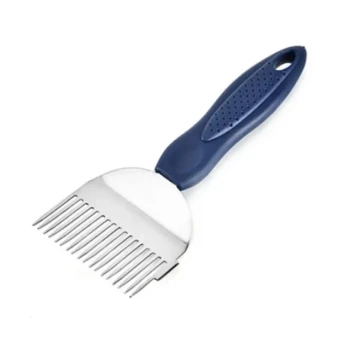
Wax cappings are the biological seal of honey maturity and the primary defense against atmospheric moisture. These natural barriers signify that bees have successfully reduced the honey’s moisture content to a shelf-stable level, typically below 20%. During the harvesting process, these seals are removed using specialized uncapping tools—such as heated knives or mechanical rollers—to allow for extraction via centrifugal force without destroying the reusable honeycomb structure.
Core Takeaway: Wax cappings are the industry’s most reliable indicator of honey maturity and stability; their professional management ensures a high-quality, ferment-resistant product while maintaining the operational efficiency of the apiary.
The Technical Significance of the Wax Seal
Preventing Moisture Absorption and Fermentation
Honey is hygroscopic, meaning it naturally absorbs moisture from the surrounding air. Wax cappings serve as a waterproof barrier that prevents mature honey from re-absorbing humidity inside the hive. Without this seal, the honey’s water content would rise, leading to inevitable fermentation and spoilage, which compromises the entire batch for commercial distribution.
A Biological Indicator of Maturity
For wholesalers, the presence of wax cappings is a sensory standard for quality. Beekeepers generally wait until at least two-thirds of the honeycomb is sealed before harvesting. This "capped" status confirms that the bees have naturally processed the nectar into mature honey, ensuring a stable shelf life and the correct flavor profile.
Protection Against Contaminants
Beyond moisture control, these seals act as a physical shield against environmental pollutants and debris. By keeping the honey isolated within the cell, the wax ensures the purity and clarity of the product. This natural protection is vital for distributors who require high-clarity honey for premium retail packaging.
Management During the Harvesting Process
Precision Uncapping Techniques
The first step in industrial extraction is the removal of the wax seals, often using a heated "hot knife" or automated uncapping machinery. These tools are designed to shave off the very top layer of wax with surgical precision. This process provides access to the honey while leaving the hexagonal cell walls intact for future use.
Centrifugal Extraction and Comb Integrity
Once uncapped, the frames are placed in a centrifuge. The centrifugal force pulls the honey out of the open cells while the frame spins at high speeds. Because the wax cappings were removed cleanly, the structural integrity of the honeycomb is preserved.
Resource Efficiency and Hive Productivity
Maintaining the honeycomb structure is a critical economic factor in honey production. It takes significantly more energy and nectar for a bee colony to secrete new wax than it does to simply refill an existing comb. By returning intact combs to the hive, producers can achieve faster turnaround times and higher yields in subsequent harvests.
Understanding the Trade-offs in Uncapping
Manual vs. Mechanical Uncapping
While manual uncapping with a hot knife offers the highest precision and minimal waste, it is labor-intensive and slow. Mechanical uncapping machines provide the speed required for large-scale wholesale operations but may result in more "wax fines"—tiny particles of wax that require more intensive filtration later.
Yield vs. Comb Preservation
Aggressive uncapping can increase the initial honey yield by ensuring every cell is completely open, but it often damages the comb. This damage forces the bees to spend the early part of the next nectar flow repairing the hive rather than gathering new honey. Professional suppliers must balance immediate extraction volume with the long-term health and productivity of the apiary.
Navigating Sourcing and Quality Assurance
How to Apply This to Your Portfolio
When evaluating suppliers and managing high-volume honey orders, understanding the nuances of wax management can help you identify premium partners.
- If your primary focus is shelf-stability and low moisture: Prioritize suppliers who strictly adhere to the "two-thirds capped" rule, as this ensures the honey was harvested at peak maturity.
- If your primary focus is product clarity and purity: Inquire about the filtration process used after uncapping, as mechanical management often requires multi-stage straining to remove residual wax particles.
- If your primary focus is supply chain reliability: Look for producers who utilize comb-preservation techniques, as this allows for more rapid hive recovery and more consistent yields during peak seasons.
By insisting on mature, properly uncapped honey, you ensure a premium product that meets the rigorous stability requirements of global distribution.
Summary Table:
| Feature | Technical Significance | Management Impact |
|---|---|---|
| Moisture Barrier | Prevents hygroscopic absorption; stops fermentation. | Requires precision uncapping to release honey. |
| Maturity Indicator | Signals water content is below 20% (shelf-stable). | Guides harvest timing for premium quality. |
| Purity Shield | Protects cells from environmental contaminants. | Minimizes filtration needs for high-clarity honey. |
| Comb Integrity | Preserves wax structure for hive reuse. | Reduces bee energy expenditure; boosts future yields. |
Scale Your Honey Operations with HONESTBEE
At HONESTBEE, we empower commercial apiaries and distributors with high-performance solutions for every stage of the honey production cycle. From precision uncapping tools and honey-filling machinery to specialized hive-making equipment and essential consumables, our one-stop sourcing model is designed to maximize your profit margins and operational efficiency.
Why partner with HONESTBEE?
- Full-Spectrum Portfolio: Access everything from industrial hardware to honey-themed cultural merchandise.
- Industry Expertise: Benefit from deep professional knowledge and OEM/ODM support tailored to B2B resellers.
- Rapid Fulfillment: Ensure supply chain reliability with our ultra-fast delivery and dedicated customer service.
Ready to elevate your inventory with premium beekeeping technology? Contact HONESTBEE today for a wholesale consultation and experience the advantage of expert trading services.
References
- Ashley N. Mortensen, Jamie Ellis. European Honey Bee Apis mellifera Linnaeus and subspecies (Insecta: Hymenoptera: Apidae). DOI: 10.32473/edis-in1005-2013
This article is also based on technical information from HonestBee Knowledge Base .
Related Products
- Professional Honey Uncapping Roller for Efficient Harvesting
- Professional Honey Scraper for Efficient Apiary Maintenance
- Professional Durable Plastic Handle Honey Uncapping Fork
- Professional Bent Tine Honey Uncapping Fork with Ergonomic Grip
- Adjustable Stainless Steel Honey Uncapping Fork with Scraper for Beekeeping
People Also Ask
- What other tools are available for honey uncapping besides knives? Find the Right Tool for Your Apiary's Scale
- What are the methods of uncapping honey? A Guide to Tools for Efficient Harvests
- What tools are available for uncapping honey? A Guide to Choosing the Right Tool for Your Operation
- What tools can be used to uncap honey cells? Expert Guide to Efficient Honey Extraction Equipment
- What are the essential tools for uncapping honey frames? Choose the Right Tool for Your Apiary