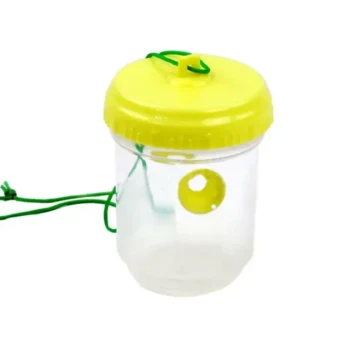
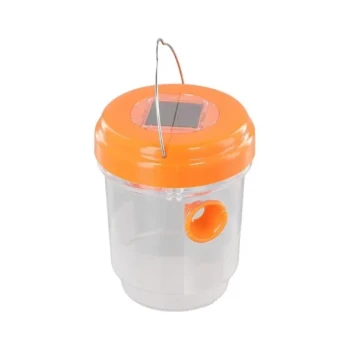
The working mechanism of sticky pest traps for hornets relies on a biological chain reaction triggered by alarm pheromones. When a live hornet is secured to the adhesive surface, it releases chemical distress signals that instinctively draw other hornets from the nest to attack the perceived threat. This creates a self-sustaining cycle of attraction, leading to a localized mass capture that effectively shields the apiary from predatory strikes.
This biological lure system transforms a single captured pest into a powerful recruitment signal, leveraging the hornet's own social defense instincts. For distributors, this represents a highly efficient, low-maintenance solution that reduces the need for synthetic chemical consumables.
The Biological Logic Behind Mass Capture
The Role of Alarm Pheromones
The core efficacy of the sticky trap is not the adhesive alone, but the chemical communication of the hornet. Once a hornet is immobilized, it emits specific pheromones meant to alert its colony to a struggle. These signals are highly potent and can attract nestmates from a significant distance, compelling them to dive toward the trap.
The Exponential Capture Effect
As more hornets arrive to investigate the distress signal, they also become ensnared by the industrial-grade adhesive. Each subsequent hornet adds to the pheromone concentration, creating an exponential "snowball effect" in capture rates. This mechanism is particularly effective during the peak activity periods of autumn when hornet aggression is at its highest.
Precision Physical Control
Unlike broad-spectrum insecticides, sticky traps provide a targeted physical control method. By focusing on the specific predatory hornets attacking the hive, beekeepers can weaken the local nest's foraging strength. This direct reduction in predator density alleviates the defensive pressure on worker bees, allowing them to focus on nectar collection and winter preparation.
Integrating Traps into Professional Apiary Defense
Complementary Lure Strategies
While the primary mechanism is pheromone-based, professional-grade systems often incorporate secondary attractants. Supplementary baits such as meat, organic matter, or simulated food signals can be used to secure the "first capture." Once the initial hornet is trapped, the biological alarm takes over as the primary driver of the trap’s performance.
Early-Warning and Population Monitoring
For large-scale commercial apiaries, these traps serve as vital data collection points. Monitoring the density of hornets on sticky boards allows beekeepers to track pest surges in real-time. This intelligence enables distributors to provide timely advice on when to deploy more intensive measures, such as electric harps or chemical interventions.
Visual Stimuli and Wavelength Targeting
Advanced trapping portfolios often include color-coded boards, such as white sticky traps, to target specific pests like parasitic flies. These utilize specific light wavelengths to lure pests visually. Combining visual attraction with pheromone-based trapping ensures a comprehensive, full-spectrum defense for the apiary.
Understanding the Trade-offs
The Requirement for Initial Activation
The most significant limitation is that the trap's peak efficiency is only reached after the initial capture. If no hornets are naturally ensnared, the trap remains passive. Professionals often overcome this by manually placing a live-captured hornet on the board to "prime" the biological reaction.
Environmental and Selectivity Factors
High-tack adhesives are subject to environmental degradation from dust, rain, and extreme heat. Furthermore, while the pheromones are species-specific, the adhesive is not; there is a risk of capturing non-target insects if the traps are not placed with professional precision. High-quality sourcing ensures the use of weather-resistant adhesives that maintain "tack" over longer durations.
Scaling Professional Hornet Control Solutions
How to Apply This to Your Portfolio
Providing your clients with a robust defense strategy requires a mix of immediate physical captures and long-term population management.
- If your primary focus is rapid population knockdown: Prioritize high-tack sticky traps that can be "primed" with live hornets to trigger immediate mass-capture cycles.
- If your primary focus is automated, long-term defense: Recommend electric harps that utilize specific wire spacing to neutralize hornets while allowing honeybees to pass through safely.
- If your primary focus is integrated pest monitoring: Supply a combination of pheromone-based sticky boards and visual-attractant traps to provide a multi-layered early warning system.
By mastering these biological mechanisms, you position yourself as a technical authority capable of delivering high-performance, professional-grade pest management solutions.
Summary Table:
| Feature | Description |
|---|---|
| Core Mechanism | Biological alarm pheromone chain reaction |
| Trigger Point | Initial capture releases distress signals to the colony |
| Effect | Exponential "snowball" mass capture of predatory hornets |
| Adhesive Type | High-tack, industrial-grade, weather-resistant glue |
| Strategic Value | Targeted physical control & real-time population monitoring |
| Best Application | High-aggression autumn periods in commercial apiaries |
Scale Your Distribution with Professional-Grade Apiary Solutions
In the competitive B2B market, providing high-performance pest management is essential for your clients' success. HONESTBEE empowers distributors and commercial apiaries with a comprehensive, one-stop sourcing experience. From specialized biological traps to heavy-duty hive-making and honey-filling machinery, we supply the full spectrum of beekeeping tools and industry consumables.
Partnering with HONESTBEE means more than just products; it means gaining a competitive edge through:
- Deep Industry Expertise: Technical guidance on everything from pest defense to honey-themed merchandise.
- Comprehensive Wholesale Offering: A massive inventory covering hardware, machinery, and essential consumables.
- Rapid Fulfillment: Ultra-fast delivery and efficient order processing to meet your tightest deadlines.
- Premium Service: Dedicated support focused on maximizing your profit margins and supply reliability.
Ready to elevate your portfolio with premium beekeeping equipment? Contact us today to request our full catalog and wholesale pricing!
References
- 織部 合原, Oribe Gohara. 九州山村におけるニホンミツバチの養蜂 : 感覚・知覚を通した複数種間の交渉に着目して. DOI: 10.15002/00031860
This article is also based on technical information from HonestBee Knowledge Base .
Related Products
- Professional Bucket Style Wasp and Moth Pheromone Trap
- Compact Multi-Funnel Hanging Wasp Trap
- Gourd Shaped Hanging Wasp Trap Professional Wasp Catcher
- Solar Powered LED Wasp Trap
- Professional Multi-Component Bucket Wasp Trap
People Also Ask
- What is the function of Pheromone Traps in the biosecurity monitoring of apiaries? Precision Tools for Pest Control
- What role do Pheromone Traps play in the IPM for Large African Hive Beetles? Essential Surveillance & Control Tips
- How do professional wasp traps function? Master Physical Control of Oriental Hornets to Protect Your Apiary
- What are the practical advantages of using professional wasp traps and protective equipment in apiary management? Scale Up
- Why replace sugar syrup bait in wasp traps every three days? Ensure Maximum Attraction and Catch Rates