Non-chemical hive health management depends on prevention, observation, and timely action. The key choices are inspection tools, smoker and protective equipment, pest-monitoring systems, sanitation supplies, sound frame components, and hive hardware suited to the site and production goal. These tools help beekeepers evaluate queen performance, brood health, nutrition, and mite pressure before problems become severe.
The strongest non-chemical strategy is a disciplined monitoring system, not a single product. Select equipment that makes inspections safe, frequent, and accurate while reducing colony stress through good nutrition, sanitation, and appropriate hive design.
Build the Management System Around Early Detection
Inspect Colonies Proactively
Routine inspections should assess queen performance, brood pattern, colony strength, food stores, and visible pest or disease symptoms. Early detection gives the beekeeper more response options and reduces dependence on emergency treatments.
Ergonomic hive tools can make inspections faster and less disruptive. A suitable tool should help separate boxes, loosen frames, remove debris, and inspect components without excessive force.
Monitor Mite and Pest Pressure
Non-chemical management still requires active pest surveillance. Monitoring equipment helps determine whether mite pressure is increasing and whether the colony requires an intervention.
The important equipment choice is not simply the most sophisticated monitor. It is a system that beekeepers can use consistently, record accurately, and integrate into a regular inspection schedule.
Support Accurate Records
Inspection findings should be recorded over time, including changes in brood health, queen performance, nutrition, and pest pressure. Consistent records help identify gradual deterioration that may not be obvious during a single visit.
For distributors and resellers, this creates an opportunity to provide complete inspection kits rather than isolated tools: hive tools, monitoring equipment, protective gear, and recordkeeping support can be sourced as one practical package.
Choose Equipment That Protects Both Bees and Beekeepers
Select Appropriate Protective Gear
A full protective system should include a vented suit, veil, gloves, and helmet. Ventilation improves comfort, while the veil and helmet protect the face, neck, and head during inspections or hive movement.
Protective equipment is especially important when colonies are agitated, when boxes are being moved, or when inspections take place in warm conditions. Better comfort can also encourage more regular monitoring.
Use Smoker Equipment Correctly
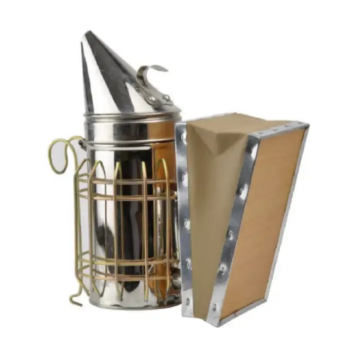
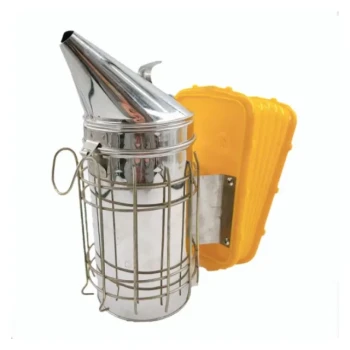
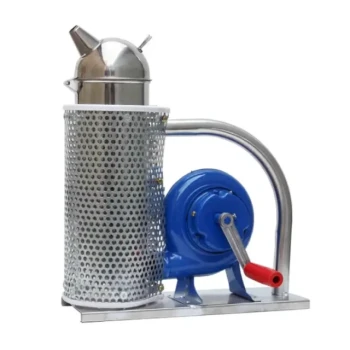
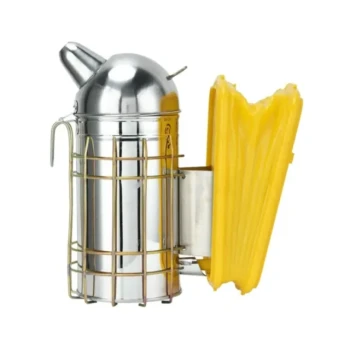
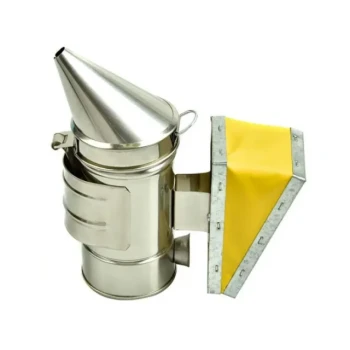
A smoker helps manage colony behavior during inspection and movement. The smoker, fuel-handling accessories, and lighting supplies should be reliable, easy to operate, and appropriate for routine apiary work.
The objective is controlled handling, not excessive smoke. Overuse can stress colonies and make it harder to evaluate natural colony behavior.
Prioritize Ergonomics
Hive tools, frame grips, protective clothing, and inspection accessories should reduce strain during repeated work. Ergonomic equipment is particularly valuable for commercial operations and distributors serving beekeepers with multiple apiaries.
Equipment that is uncomfortable or difficult to maintain often becomes underused. In practice, a durable and easy-to-handle tool can support better health management than a more complex item that remains in storage.
Manage Nutrition and Hive Conditions
Maintain Adequate Colony Nutrition
Optimum nutrition is a central part of non-chemical health management. Strongly nourished colonies are better positioned to maintain brood production, regulate the hive environment, and withstand pressure from pests and disease.
Nutrition management should be considered alongside inspection findings. A colony showing reduced brood development or weakness may require closer evaluation of food availability and overall hive conditions.
Match Hive Design to the Production Goal
Hive selection should reflect the beekeeper’s intended output and operating environment. For example, beekeepers seeking both comb honey and liquid honey may choose a hive configuration that includes a queen excluder to keep brood out of honey-storage supers.
This is a management choice rather than a universal requirement. The appropriate configuration depends on the production goal, colony behavior, and the beekeeper’s preferred operating method.
Adapt the Hive to the Location
Apiary placement affects equipment requirements. In areas with substantial rainfall, a hive stand helps keep the hive above wet ground and supports better site management.
The stand should be considered part of the health-management system because moisture exposure, access difficulties, and poor working conditions can increase stress for both colonies and beekeepers.
Reduce Health Risks Through Sanitation and Maintenance
Use Proper Sanitation Equipment
Clean hive components and suitable sanitation supplies help reduce avoidable disease transmission between colonies. Sanitation procedures should be practical enough to apply consistently during inspections, equipment changes, and apiary maintenance.
The goal is not merely to clean visible dirt. It is to maintain a controlled handling process that limits the movement of contamination between frames, boxes, tools, and colonies.
Maintain Frames and Hive Components
Well-maintained frames support stable comb management and reduce unnecessary colony disruption. Damaged, poorly fitted, or difficult-to-handle components can make inspections more stressful and increase the risk of accidental damage.
Frame condition should therefore be part of routine inspection. Replacing or repairing compromised components supports cleaner honey production and more predictable colony management.
Reduce Colony Stress During Handling
Every equipment choice should be evaluated by how it affects handling time and disturbance. Efficient tools, sound frames, suitable protective gear, and a reliable smoker allow inspections to be completed with less disruption.
Lower stress does not replace disease and pest monitoring, but it supports the colony’s long-term vitality and makes regular management more practical.
Understanding the Trade-offs
Non-Chemical Does Not Mean Passive
A non-chemical approach requires more observation and management discipline, not less. Without regular inspections and monitoring, pest or disease problems may progress unnoticed.
The beekeeper must be prepared to act when monitoring identifies a serious threat. Avoiding unnecessary chemical use is different from refusing all evidence-based interventions when colony health is at risk.
Equipment Quality Must Match Operating Scale
A small hobby apiary may need a compact, basic inspection setup, while a commercial operation requires equipment that withstands frequent use and supports fast workflows. Purchasing based only on the lowest initial price can increase replacement costs and downtime.
For B2B buyers, the most useful product portfolio balances entry-level accessibility with professional-grade durability, allowing customers to scale without changing suppliers.
More Equipment Can Increase Complexity
Adding monitors, accessories, and specialized hive components does not automatically improve health outcomes. Every item should have a defined role in inspection, prevention, sanitation, safety, or production management.
A focused equipment system is easier to train staff on, replenish, and use consistently. This is where responsive fulfillment and knowledgeable customer support can be as important as the products themselves.
Making the Right Choice for Your Goal
The best equipment package is the one that supports consistent inspections and fits the apiary’s environment, scale, and production objectives.
- If your primary focus is early disease and mite detection: Prioritize ergonomic hive tools, reliable monitoring equipment, inspection records, and sanitation supplies that support frequent assessments.
- If your primary focus is beekeeper safety: Choose a complete protective system with a vented suit, veil, helmet, and suitable gloves, supported by dependable smoker equipment.
- If your primary focus is colony vitality: Emphasize nutrition management, low-stress handling tools, well-maintained frames, and hive components that minimize disturbance.
- If your primary focus is comb and liquid honey production: Select a hive configuration appropriate to the intended harvest, including a queen excluder where keeping brood out of supers is part of the operating plan.
- If your primary focus is site resilience: Match the hive setup to local conditions, including a hive stand where rainfall or wet ground creates a management concern.
- If your primary focus is efficient sourcing: Work with a supplier able to provide a full-spectrum product range, rapid response, professional guidance, and dependable order fulfillment.
A well-designed non-chemical health program turns routine inspection, sound equipment, and disciplined maintenance into the colony’s first line of defense.
Summary Table:
| Category | Key Equipment/Factors | Purpose |
|---|---|---|
| Inspection | Hive tool, protective gear, smoker | Enable safe, regular checks |
| Pest monitoring | Mite monitors, sticky boards | Early detection of mite pressure |
| Sanitation | Cleaner, smoker fuel | Prevent disease transmission |
| Hive design | Queen excluder, hive stand | Support production and site resilience |
Ready to implement a non-chemical health program for your apiary? At HONESTBEE, we supply a full spectrum of beekeeping tools and equipment to support your monitoring, sanitation, and hive management needs. Our comprehensive wholesale portfolio includes ergonomic hive tools, protective gear, smoking equipment, and hive hardware, all backed by rapid response and dedicated customer service. For B2B partners, we offer OEM/ODM support, certifications, and reliable supply to help you scale. Contact us today to build a tailored solution that enhances colony health and your business efficiency.
Related Products
- European Stainless Steel Bee Smoker for Honey Bee Hive
- Stainless Steel Electric Beehive Smoker for Beekeeping and Bee Keeper Use
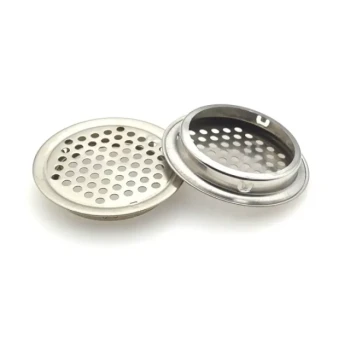
- Steel Round Disc Entrance Reducer for Flexzion Bee Hive Nuc Box Gate
- Stainless Steel Honey Bee Smoker Hive and Honeycomb Smoker for Beekeeping
- Professional Bee Smoker with Elongated Spout and Durable Bellows for Beekeeping
People Also Ask
- What type of bee smoker is recommended for a beginner? Top Picks for Easy Hive Management
- Why is a stainless steel bee smoker considered indispensable? Master Hive Management with Cool Smoke Technology
- What are bee smokers made out of? Choose the Right Material for Your Apiary
- What are the differences between stainless steel and galvanized steel bee smokers? Choose the Right Smoker for Your Apiary
- What is the technical necessity of using bee smokers? Essential Tools for Safe and Efficient Hive Management