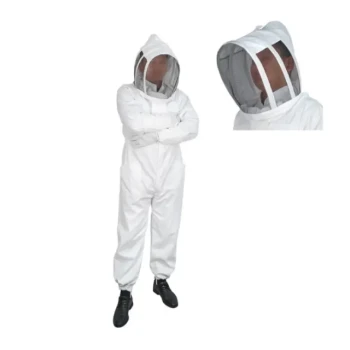
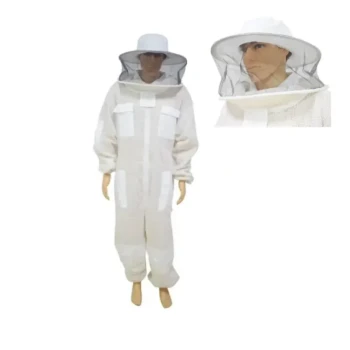
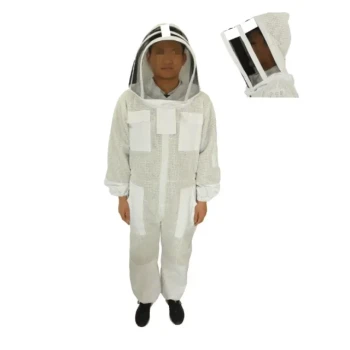
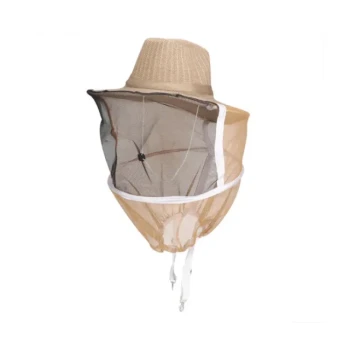
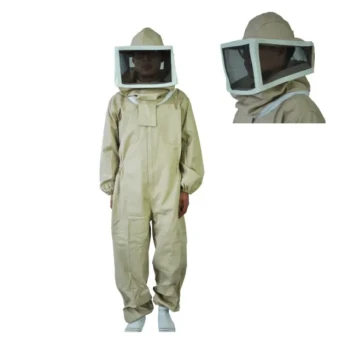
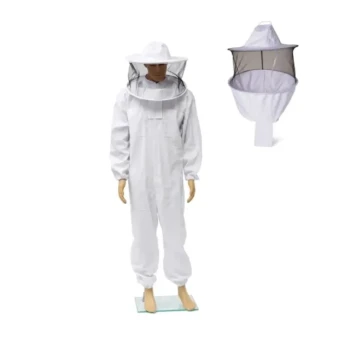
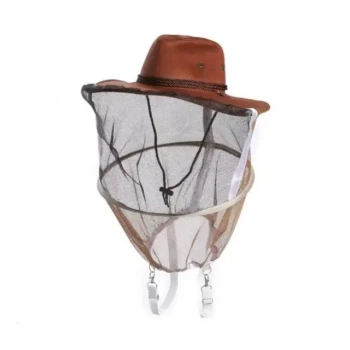
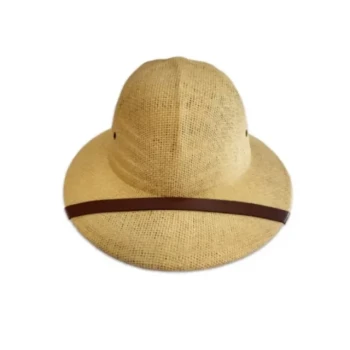
Prioritize smooth, light-colored, roomy protection with a structured veil. For hive inspection staff, the most important specifications are a smooth outer fabric, pale coloring, generous full-body coverage, and a veil that remains well away from the face. The garment should also provide secure wrist, ankle, and collar closures, while allowing unrestricted movement and sufficient ventilation for the working environment.
The best protective bee suit is not defined by material name alone. It combines a smooth, light-colored, breathable outer layer with a loose fit, secure entry-point closures, and a structured veil that cannot collapse against the wearer’s face.
Start With the Outer Material
Specify a Smooth Surface
The outer fabric should have a smooth texture so bees are less likely to catch their feet or stingers in the garment. Smooth fabrics such as ripstop nylon or suitable cotton constructions can provide the required surface characteristics.
Avoid coarse, fuzzy, or textured materials. Animal-derived fabrics and accessories, including wool and leather, may retain odors and textures that can agitate bees.
Balance Protection With Breathability
The suit should provide enough separation between the worker’s body and the outer surface to reduce the chance of a sting penetrating directly through taut fabric. A roomy, loose-fitting cut supports this separation while preserving mobility.
For hot apiaries, especially rooftop locations, distributors should prioritize ventilated or multilayer mesh panels and fabrics that help reduce heat stress without compromising coverage.
Select Durable Construction
Commercial buyers should look for materials and seams capable of tolerating repeated hive work, laundering, and routine handling. Ripstop construction can be useful where resistance to tearing is a priority, provided the finished fabric remains smooth and comfortable.
Material specifications should therefore be evaluated alongside stitching, closures, ventilation panels, and laundering requirements rather than treated as an isolated fiber choice.
Use Color Strategically
Choose Light Colors
White and other light colors, including light brown, are preferred for apiary protective clothing. Bees tend to react more defensively to dark colors such as black or navy.
Light-colored garments also reflect solar heat more effectively in direct sunlight. They make bees clinging to the suit easier for staff to identify before removing the clothing.
Keep the Entire Outfit Consistent
Color selection should apply to the suit, jacket, veil surround, and visible accessories. Staff should avoid wearing dark or animal-fiber accessories around hives, since these can introduce unwanted texture and odors near the colony.
For a distributor’s product portfolio, traditional white options are a practical baseline, with other pale colors available for customer preference or operational identification.
Engineer the Veil for Clearance
Require a Structured Support
A veil should be attached to or worn over a wide-brimmed, structured hat that keeps the mesh away from the face, scalp, eyes, ears, and mouth. This clearance is a core safety requirement because mesh that collapses against the face can allow a bee to sting through it.
Capless masks generally provide less reliable clearance, particularly when a worker bends over a hive.
Eliminate Collar Gaps
The most secure designs integrate the veil into the coverall or zip the veil directly onto the full-body suit. This reduces the gap around the neck where bees could otherwise enter.
Where a standalone veil or jacket is supplied, the collar interface should still close securely and remain stable during bending, lifting, and repeated arm movement.
Preserve Visibility
The veil mesh should provide clear visibility while maintaining a generous distance from the face. This is especially important for rooftop apiaries, where a facial sting can cause disorientation and create a serious fall hazard.
For hot, exposed operations, buyers should consider UV-resistant veil mesh and ventilated designs that maintain visibility while reducing heat buildup.
Close the Common Entry Points
Secure the Wrists
Wrist openings should use elasticated or otherwise tight, secure cuffs. Bees can enter through loose sleeves during hive manipulation, when the arms are repeatedly raised and extended.
Cuffs must remain secure without restricting normal hand and wrist movement.
Seal the Ankles
Pant legs should be elasticized or secured over or into boots. The objective is to prevent bees from crawling upward inside the suit while the worker walks, kneels, or works around hive stands.
Ankle protection is particularly important when full-body suits are used in dense vegetation or uneven apiary environments.
Protect the Neck and Front Opening
The front closure and collar should be designed as part of the protection system, not as ordinary clothing fasteners. Zippers, overlaps, and veil attachments should remain closed during movement and should not create exposed gaps.
Distributors should verify closure quality through repeated-use testing because a nominally complete suit can still be unsafe if its entry points loosen during work.
Match Coverage to the Operating Environment
Use Full-Body Coverage for Routine Inspections
Full-body coveralls or suits provide consistent protection across the torso, arms, legs, neck, and head. They are appropriate where staff perform repeated inspections or work with colonies whose defensive behavior is variable.
Jackets may be suitable for lower-risk tasks, but buyers should avoid treating them as equivalent to full-body coverage when exposed leg or ankle areas remain vulnerable.
Account for Rooftop Heat
Rooftop apiaries combine direct solar radiation, heat from roof surfaces, and limited shade. Protective equipment for these sites should prioritize ventilated construction, UV-resistant veil mesh, light colors, and complete seals.
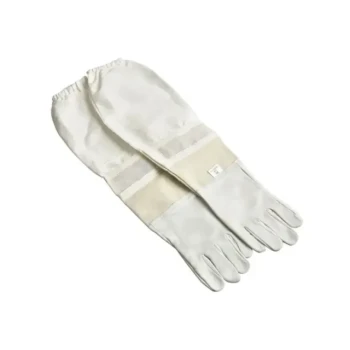
Heavy-duty gloves may also be appropriate where the operating risk requires stronger hand protection, but glove selection should preserve sufficient dexterity for routine hive work.
Preserve Freedom of Movement
A suit must be loose enough to accommodate bending, reaching, and lifting without stretching tightly over the body. Tight garments can reduce mobility and place the fabric closer to the skin, increasing vulnerability if a bee stings through the material.
Sizing should account for the worker’s clothing underneath the suit and the physical demands of inspection work.
Understanding the Trade-offs
Cotton Versus Synthetic Fabric
Cotton can provide a smooth, comfortable option, while ripstop nylon offers a practical synthetic construction for durability. Neither material name guarantees effective protection; weave, thickness, texture, fit, ventilation, and workmanship determine the finished garment’s performance.
The appropriate choice depends on the buyer’s climate, laundering process, expected service life, and required balance between comfort and durability.
Coverage Versus Heat
More coverage and heavier construction can improve protection but may increase heat retention. Ventilated panels and breathable designs help address this issue, particularly in summer or rooftop operations.
Ventilation should not create openings that compromise the wrists, ankles, collar, or veil attachment.
Security Versus Convenience
Integrated veils and full-body coveralls generally reduce gaps, but they can be less convenient to replace or repair than standalone components. Buyers should evaluate replacement availability, zipper durability, sizing consistency, and after-sales support before standardizing a product line.
Cleanliness Is Part of Protection
Propolis buildup and lingering alarm pheromones can irritate bees during subsequent inspections. Protective garments should therefore be laundered frequently according to their construction and care requirements.
A product that is difficult to clean may create avoidable operational problems, even if its initial material and design specifications are strong.
Making the Right Choice for Your Goal
The strongest purchasing decisions evaluate protection, comfort, serviceability, and supply reliability together.
- If your primary focus is maximum sting protection: Choose a roomy full-body suit with smooth light-colored fabric, a structured wide-brimmed veil, an integrated or zipped collar connection, and secure wrist and ankle closures.
- If your primary focus is hot-weather performance: Prioritize light-colored ventilated construction, breathable multilayer mesh, UV-resistant veil mesh, and full coverage with no exposed entry points.
- If your primary focus is commercial durability: Compare ripstop or similarly durable smooth fabrics, reinforced construction, washable materials, dependable zippers, and readily available replacement veils or components.
- If your primary focus is distributor service: Build a one-stop range covering jackets, full suits, integrated and standalone veils, gloves, sizing options, replacement parts, and responsive order fulfillment.
- If your primary focus is rooftop apiary safety: Select clear-visibility veils with generous facial clearance, full-body coverage, secure closures, and cooling features that reduce heat stress and disorientation risk.
When protective bee suits are specified as a complete system rather than a single garment, distributors and apiary managers can give staff reliable protection without sacrificing mobility, visibility, or operational efficiency.
Summary Table:
| Criteria | Priority Features |
|---|---|
| Outer Material | Smooth texture, durable, breathable |
| Color | Light colors (white, light brown) |
| Veil Design | Structured, away from face, integrated or zipped |
| Closures | Secure wrists, ankles, collar |
| Coverage | Full-body for routine inspections |
| Ventilation | Mesh panels for hot climates |
| Fit | Loose, roomy for mobility |
| Cleanliness | Easy to launder |
Ensure your team's safety with our premium protective gear. Contact us today to explore our full range of bee suits and veils, designed for comfort and durability. HONESTBEE provides one-stop sourcing, rapid delivery, and dedicated support for distributors and commercial apiaries. Boost your profitability with our wholesale solutions and reliable supply chain.
Related Products
- Premium Cotton Beekeeper Suit with Reinforced Fencing Veil
- White Cotton Beekeeping Jacket and Veil for Bee Keepers
- Premium Three Layer Ventilated Bee Suit with Round Veil
- Beekeeping Jacket with Hood and Veil for Beekeepers
- Three-Layer Ventilated Beekeeper Suit with Structured Fencing Veil
People Also Ask
- What material and design specifications are recommended for a high-quality beekeeper suit? Top Gear Selection Guide
- How to Pre-treat Propolis Stains on Beekeeping Suits? Master Advanced Fabric Care and Soil Removal
- What features should be considered for sting protection in a beekeeping suit? Ensure Total Safety and Comfort
- What are the differences between full suits and jackets with veils in beekeeping? Choose Your Best Protection
- What features should be looked for in a beekeeping suit for maximum comfort? Prioritize Ventilation and Fit