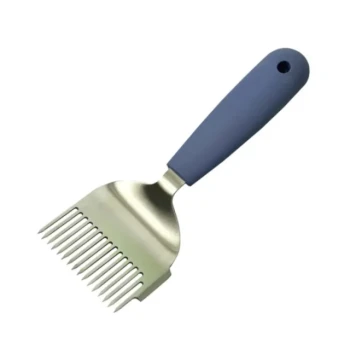
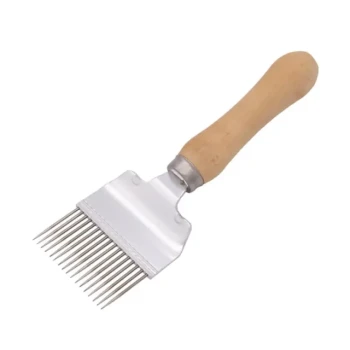
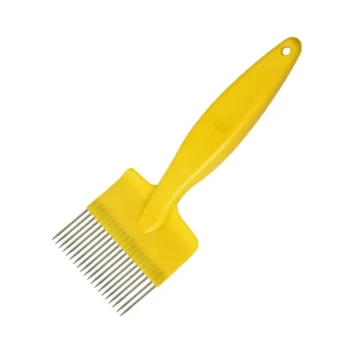
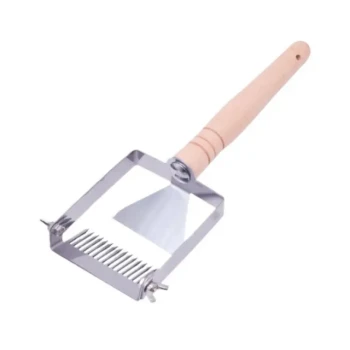
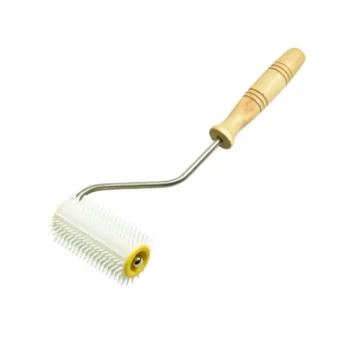
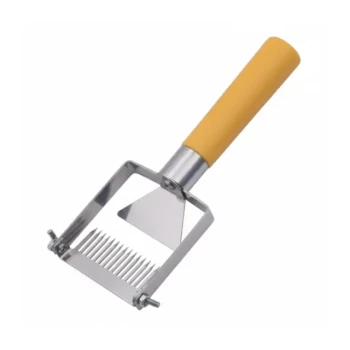
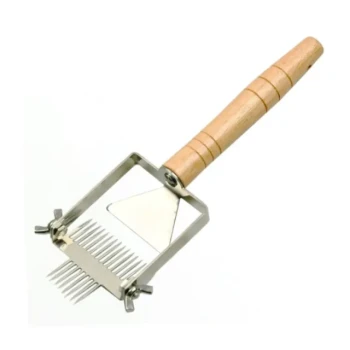
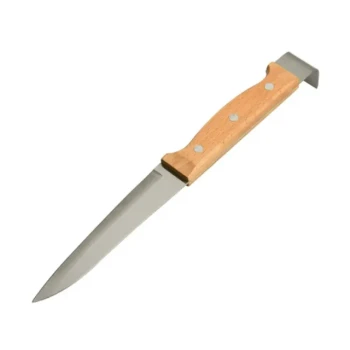
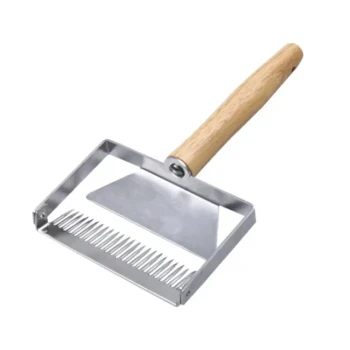
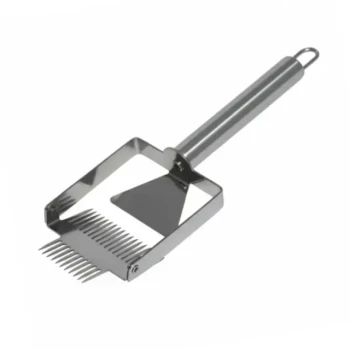
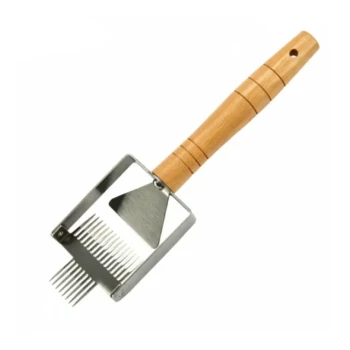
Capping removal tools function as the primary mechanism for accessing the hidden reproductive phase of Varroa mites, enabling the systematic opening of sealed brood cells for internal inspection. By facilitating the physical removal of larvae or pupae, these tools allow beekeepers to directly observe and quantify the "reproductive pressure" of mites, which is otherwise invisible during standard hive inspections.
Core Insight: While external observations or adult bee sampling provide an estimate of mite presence, using capping removal tools to open sealed cells is the only way to generate direct data on active mite reproduction. This precise insight is critical for calculating infestation rates and accurately timing chemical control interventions.
Unveiling the Reproductive Phase
Accessing the Hidden Population
Varroa mites conduct their reproduction exclusively inside sealed brood cells, making them invisible to casual observation. Capping removal tools, such as specialized needles or tweezers, break the physical barrier of the cell capping.
This allows the beekeeper to extract the developing bee (larva or pupa) to inspect the cell floor and the bee itself. This process reveals the immature and adult mites hiding inside, which constitute the future mite population.
Calculating Infestation Rates
Using these tools allows for cross-sectional sampling. By opening a specific number of randomly selected cells, you can calculate the percentage of infestation.
This quantitative data is far more valuable than a simple presence/absence check. It provides a concrete metric of the "reproductive pressure" currently weighing on the colony.
Assessing Colony Health Without Drones
Varroa mites often prefer drone brood, but accurate assessment is vital even when drones are not present.
During seasons when drone brood is absent, these tools allow you to assess the infestation rate within worker brood. This ensures you maintain visibility on colony health throughout the entire season.
The Strategic Value of Brood Inspection
Determining Treatment Necessity
The data gathered from uncapping cells directly informs Integrated Pest Management (IPM) decisions.
By understanding the exact reproductive rate, you can determine if a colony has crossed a threshold requiring intervention. This prevents both the overuse of chemicals and the failure to treat a critical infestation.
Improving Treatment Timing
Understanding the developmental stage of the mite population helps in timing treatments effectively.
If a high percentage of mites are protected under cappings, certain "flash" treatments that only kill phoretic mites (mites on adult bees) may be ineffective. This insight guides you toward treatments that penetrate cappings or have a longer release period.
Validating Treatment Efficacy
This method allows for a comprehensive assessment of how well a previous treatment worked.
By comparing infestation rates before and after treatment, or by checking for dead mites inside cells, you can verify if a control measure successfully targeted the reproductive stage.
Understanding the Trade-offs
Destructive Sampling
Using capping removal tools is inherently destructive to the individual brood cells being inspected.
The larvae or pupae removed are sacrificed to gain the data. While the loss of a small sample (e.g., 100 cells) is generally negligible for a strong colony, it is a factor to consider in weaker hives.
Labor Intensity
This method requires significant technical skill and time compared to passive monitoring methods like sticky boards.
It involves manual precision to avoid damaging the evidence (the mites) while extracting the pupae. It is a deliberate, investigative procedure rather than a quick check.
Making the Right Choice for Your Goal
To effectively utilize capping removal tools in your management strategy, consider your specific objectives:
- If your primary focus is treatment timing: Use these tools to determine if mites are predominantly under cappings, which dictates the need for long-duration treatments rather than instant-kill methods.
- If your primary focus is accurate data: Use this method to calculate a precise percentage of infestation, providing a "ground truth" that validates softer sampling methods like sugar shakes.
Mastering the use of capping removal tools transforms Varroa management from a guessing game into a data-driven science.
Summary Table:
| Feature | Description | Impact on Management |
|---|---|---|
| Access Mechanism | Physically opens sealed brood cells | Reveals hidden mites in the reproductive phase |
| Data Accuracy | Enables quantitative infestation sampling | Provides a "ground truth" for treatment thresholds |
| Treatment Timing | Identifies life-stage of mite population | Helps select between flash or long-term treatments |
| Efficacy Check | Post-treatment brood cell inspection | Verifies if mites were successfully eliminated inside cells |
Maximize Your Apiary Productivity with HONESTBEE
Don't let Varroa mites undermine your honey production. HONESTBEE provides professional-grade beekeeping tools, specialized extraction machinery, and hive-making equipment designed for commercial apiaries and distributors. Whether you need precise uncapping tools for brood assessment or heavy-duty machinery for honey processing, we deliver the quality and expertise your business demands.
Ready to upgrade your wholesale supply or commercial operation? Contact us today to explore our full equipment portfolio
References
- Simon J. More, Dominique Bicout. Assessment of listing and categorisation of animal diseases within the framework of the Animal Health Law (Regulation (EU) No 2016/429): infestation with Varroa spp. (varroosis). DOI: 10.2903/j.efsa.2017.4997
This article is also based on technical information from HonestBee Knowledge Base .
Related Products
- Professional Honey Uncapping Roller for Efficient Harvesting
- Professional Multi-Function Uncapping Fork with Ergonomic Rubber Grip
- Professional Classic Wood Handle Honey Uncapping Fork
- Professional Durable Plastic Handle Honey Uncapping Fork
- Adjustable Stainless Steel Honey Uncapping Fork with Scraper for Beekeeping
People Also Ask
- What other tools are available for honey uncapping besides knives? Find the Right Tool for Your Apiary's Scale
- What are the methods of uncapping honey? A Guide to Tools for Efficient Harvests
- What tools are available for uncapping honey? A Guide to Choosing the Right Tool for Your Operation
- What tools can be used to uncap honey cells? Expert Guide to Efficient Honey Extraction Equipment
- What are the essential tools for uncapping honey frames? Choose the Right Tool for Your Apiary