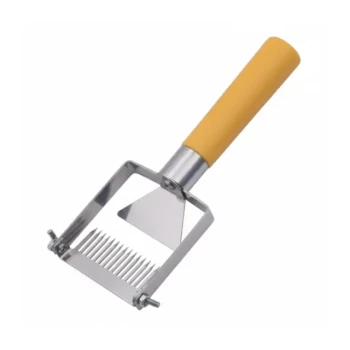
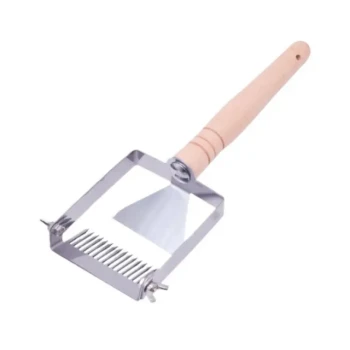
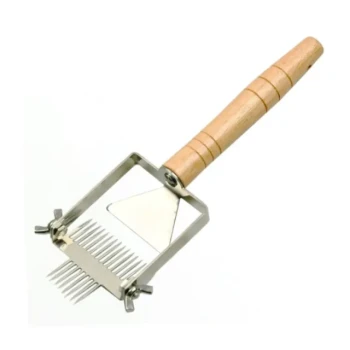
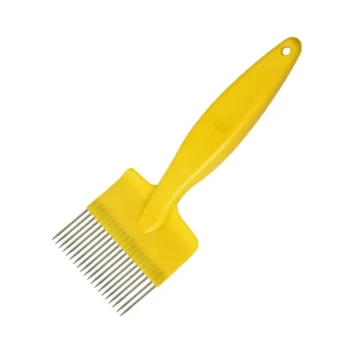
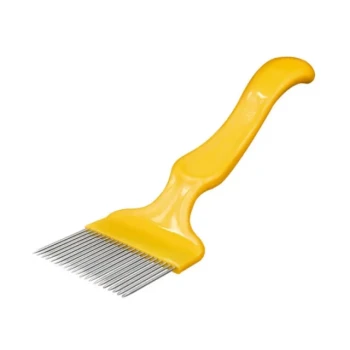
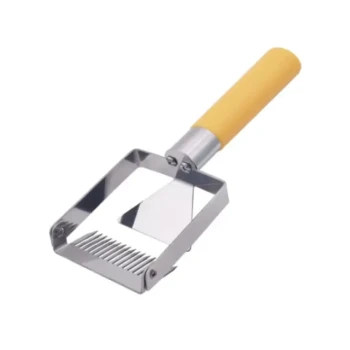
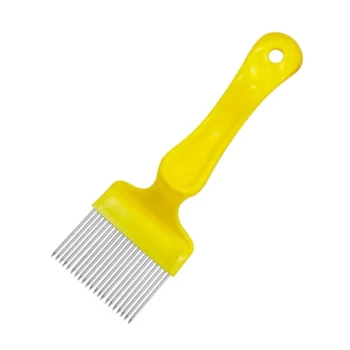
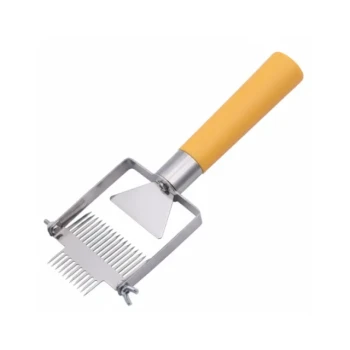
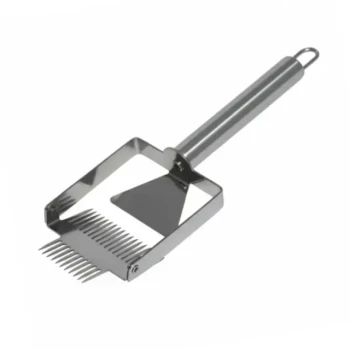
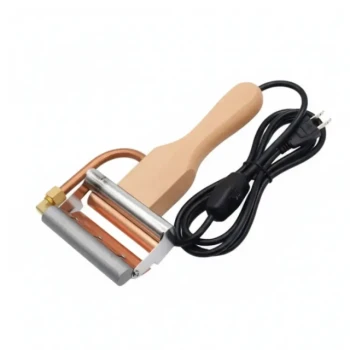
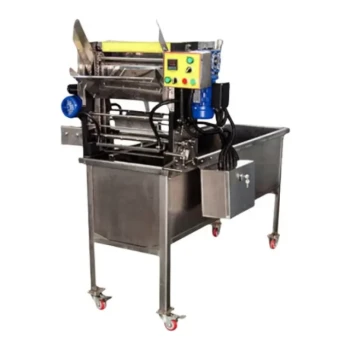
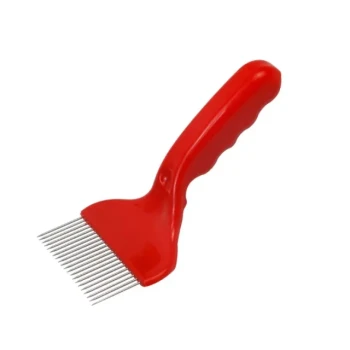
To effectively uncap honey cells, beekeepers rely on three primary instruments: the cappings scratcher, the electric uncapping tool, and plain knives heated in hot water. These tools function by either scraping the cell open, cutting off a thin layer of wax, or thermally slicing through the capping to expose the honey for extraction.
Selecting the right uncapping tool requires balancing precision with speed; while scratching offers manual control for uneven surfaces, heated slicing methods provide the efficiency needed for continuous workflow.
Mechanical and Thermal Solutions
Different tools employ distinct mechanisms to breach the beeswax seal. Understanding these mechanics helps in selecting the right tool for the volume of frames you need to process.
The Cappings Scratcher
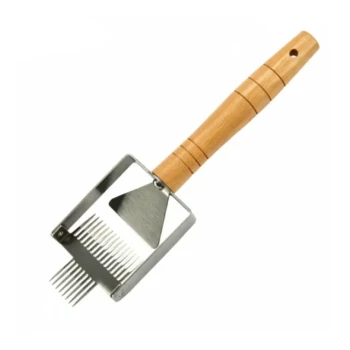
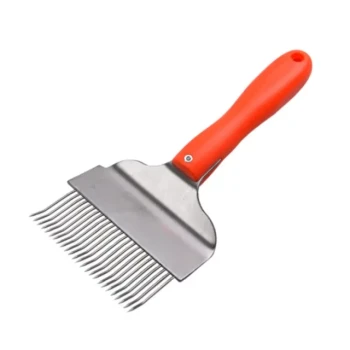
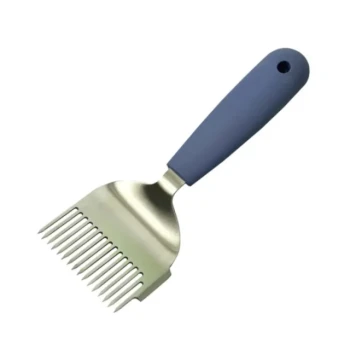
This tool is designed for manual operation and precision. A cappings scratcher functions by physically scraping open the honey cells.
It is particularly useful for reaching low spots on the comb that a knife might miss. It forces the cell open without requiring heat, though it creates more loose wax particles.
The Electric Uncapping Tool
For those seeking consistency, the electric uncapping tool is a streamlined solution. This device uses an integrated heating element to slice off a thin, uniform layer of beeswax.
Because the heat source is constant, it allows for a smoother cut across the frame. This method exposes the honey cleanly with a single pass.
The Hot Water Method
If you prefer not to use electric tools, you can achieve similar results using simple thermodynamics and standard equipment.
Plain Knives
Plain knives rely on external heat to slice through beeswax. To be effective, the metal blade must be hot enough to melt the wax slightly as it cuts, preventing drag and damage to the comb.
The Two-Knife Rotation Technique
Because a cold knife will tear the comb rather than slice it, efficiency requires a specific workflow. You should always have two knives on hand.
Keep one knife submerged in hot water to absorb heat while you use the other. When the active knife cools down and begins to drag, switch it immediately with the hot one from the water. This cycle allows for continuous uncapping without pausing to reheat a single blade.
Understanding the Trade-offs
Every tool introduces specific variables into your workflow. Recognizing these limitations is essential for an efficient extraction process.
Operational Speed vs. Setup
Electric tools offer the fastest continuous speed but require a power source and careful handling of a permanently hot blade. Plain knives are inexpensive and simple but require a constant source of hot water and the discipline to rotate them frequently.
Precision vs. Surface Area
Knives (both electric and plain) are excellent for removing large sheets of cappings quickly. However, they struggle with uneven or recessed combs. The scratcher is slower but is the only tool that can effectively uncap "low spots" that knives bridge over.
Making the Right Choice for Your Goal
The best tool for you depends on your budget, the number of hives you manage, and your access to utilities.
- If your primary focus is speed and consistency: Choose the electric uncapping tool to cut thin layers quickly without stopping to reheat equipment.
- If your primary focus is low cost or working off-grid: Utilize plain knives with the two-knife rotation method to maintain thermal efficiency without electricity.
- If your primary focus is thoroughness on uneven combs: Keep a cappings scratcher on hand to finish up areas that knives miss.
Mastering your chosen tool is just as important as the tool itself for a clean harvest.
Summary Table:
| Tool Type | Mechanism | Best Use Case | Key Advantage |
|---|---|---|---|
| Cappings Scratcher | Manual Scraping | Low spots & uneven combs | High precision, no heat required |
| Electric Uncapping Tool | Integrated Thermal Cutting | High-volume, fast processing | Consistent, smooth, single-pass cuts |
| Plain Knives | External Thermal Cutting | Low-budget or off-grid setups | Simple, inexpensive, and reliable |
| Two-Knife Rotation | Thermal Cycling | Continuous manual workflow | Maintains cutting heat without electricity |
Elevate Your Commercial Apiary with HONESTBEE
Maximize your honey yield and operational efficiency with professional-grade tools from HONESTBEE. As a leading global supplier for commercial apiaries and distributors, we provide a comprehensive range of wholesale solutions—from precision hand tools and uncapping knives to industrial honey-filling machines and specialized hive-making equipment.
Whether you are scaling your extraction line or stocking high-quality consumables for distribution, our portfolio is designed to meet the rigorous demands of the modern beekeeping industry.
Ready to upgrade your equipment? Contact us today to discuss our wholesale offerings and discover how HONESTBEE can support your business growth.
Related Products
- Adjustable Stainless Steel Honey Uncapping Fork with Plastic Handle for Beekeeping
- Wide Adjustable Stainless Steel Honey Uncapping Fork with Scraper
- All-Stainless Steel Pivoting Honey Uncapping Fork for Beekeeping
- Adjustable Stainless Steel Honey Uncapping Fork with Scraper for Beekeeping
- Adjustable Stainless Steel Honey Uncapping Fork with Scraper Beekeeping Tool
People Also Ask
- What is the design purpose of honey uncapping forks and honey uncapping tanks? Maximize Your Harvest Efficiency
- How does a honey uncapping fork supplement the use of an uncapping knife? Boost Your Honey Yield and Extraction Efficiency
- What are the essential tools for uncapping honey frames? Choose the Right Tool for Your Apiary
- What other tools are available for honey uncapping besides knives? Find the Right Tool for Your Apiary's Scale
- What tools are used for honey uncapping? Choose the Right Knife for Your Harvest