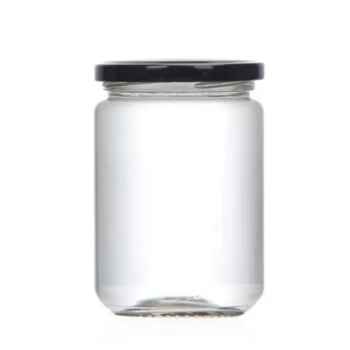
High-seal glass and high-density polymer containers serve as the primary defense system for the chemical and physical integrity of stingless bee honey. These specialized vessels are engineered to counter the honey's inherent instability—specifically its high moisture content—by creating a robust physical barrier that prevents odor absorption, oxidation, and uncontrolled fermentation during storage and transportation.
The core function of these containers is not merely storage, but the stabilization of a biologically active product; they provide the controlled environment necessary to maintain enzyme activity and flavor while preventing the spoilage risks associated with high-moisture honey.
Managing High Moisture and Stability
Controlling Fermentation
Stingless bee honey is distinct from common honey due to its significantly higher water content. Without a professional-grade seal, this moisture invites airborne yeasts and bacteria, leading to rapid, uncontrolled fermentation. High-seal containers strictly limit air exchange, halting this spoilage process before it begins.
Preventing Environmental Contamination
Because this honey is highly susceptible to absorbing external odors, the container must be impermeable. High-density polymers and glass effectively isolate the liquid from the surrounding environment. This ensures the unique, complex flavor profile of the honey is not compromised by warehouse or transport odors.
Preserving Bioactivity and Chemical Integrity
Protecting Oxygen-Sensitive Compounds
The medicinal value of stingless bee honey relies on bioactive components like flavonoids and polyphenolic substances. These compounds are oxygen-sensitive and will degrade if exposed to air. Standardized sealing technologies create an airtight environment that preserves these therapeutic elements throughout the product's shelf life.
Material Inertness and Acid Resistance
Stingless bee honey typically possesses higher acidity than standard honey. Low-quality or recycled containers may react chemically with this acid or leach harmful substances into the product. High-quality glass and food-grade plastics are chemically inert, ensuring the packaging does not alter the honey's flavor or safety.
Enhancing Commercial Value
Enabling Beneficial Aging
When stored in a stable, well-sealed environment, stingless bee honey can undergo a natural aging process over several months. This controlled aging can reduce moisture content and increase the concentration of antioxidants. Consequently, the container transforms the honey from a raw ingredient into a high-value functional food.
Building Consumer Trust through Standardization
Standardized packaging (such as 750ml bottles) creates a professional presentation that distinguishes high-quality producers from inferior alternatives. The transparency of glass allows for visual inspection, while the rigid surface supports professional labeling for technical data, production dates, and intellectual property protection.
Understanding the Trade-offs
Cost vs. Preservation
While recycled or low-density containers are cheaper, they fail to prevent chemical degradation and physical leakage. Investing in high-seal, high-density materials is a necessary operational cost to prevent product loss and ensure the therapeutic efficacy remains consistent.
Rigidity vs. Transport Risks
Glass offers superior chemical stability and transparency, making it ideal for premium positioning, but it introduces fragility and weight to the logistics chain. High-density polymers offer a more durable alternative for transport but must be strictly food-grade to match the inert properties of glass.
Making the Right Choice for Your Goal
To select the appropriate packaging strategy, align your choice with your specific commercial objective:
- If your primary focus is Therapeutic Efficacy: Prioritize air-tight, chemically inert glass to maximize the retention of oxygen-sensitive flavonoids and antioxidants.
- If your primary focus is Premium Branding: Utilize clear, standardized glass vessels to enhance visual appeal and justify a higher market price through professional presentation.
- If your primary focus is Supply Chain Stability: Ensure all polymer containers are high-density and food-grade to prevent leakage and fermentation during long-distance transport.
Ultimately, the container is an active component of the product's value proposition, safeguarding the delicate biochemistry that defines stingless bee honey.
Summary Table:
| Feature | High-Seal Glass | High-Density Polymer | Impact on Honey Quality |
|---|---|---|---|
| Moisture Control | Excellent (Hermetic) | High (Vapor Barrier) | Prevents uncontrolled fermentation and spoilage. |
| Chemical Inertness | Maximum (Acid Resistant) | High (Food-Grade) | Prevents leaching and maintains flavor purity. |
| Bioactivity Preservation | Optimal for Flavonoids | Effective for Short/Medium Term | Protects oxygen-sensitive medicinal compounds. |
| Commercial Utility | Premium Branding | Logistics/Durability | Enhances market value and reduces transport loss. |
Elevate Your Honey Production with Professional Equipment
At HONESTBEE, we understand that premium products like stingless bee honey require precision at every stage. We cater to commercial apiaries and honey distributors by providing a comprehensive wholesale range of high-performance beekeeping tools and industrial machinery.
Whether you need specialized honey-filling machines designed for high-moisture honey, durable hive-making hardware, or essential industry consumables, our portfolio is built to ensure your product's integrity from hive to shelf.
Ready to scale your operations and safeguard your honey's value?
Contact HONESTBEE Today for Wholesale Solutions
References
- Lucio Alberto Pat Fernández, Rodimiro Ramos Reyes. Condición y perspectivas de la meliponicultura en comunidades mayas de la reserva de la biósfera Los Petenes, Campeche, México. DOI: 10.19130/iifl.ecm.2018.52.939
This article is also based on technical information from HonestBee Knowledge Base .
Related Products
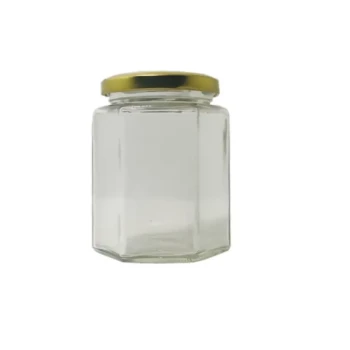
- Hexagonal Glass Honey Jars with Metal Lug Caps Elegant Versatile Packaging
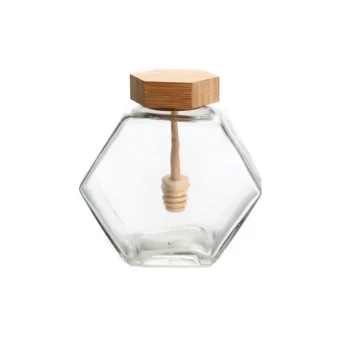
- Hexagonal Glass Honey Jar with Wooden Lid Integrated Dipper Elegant Functional Storage
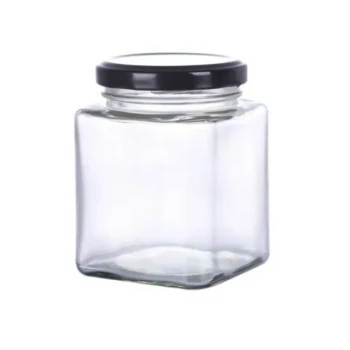
- Modern Square Glass Honey Jar with Twist Off Lid
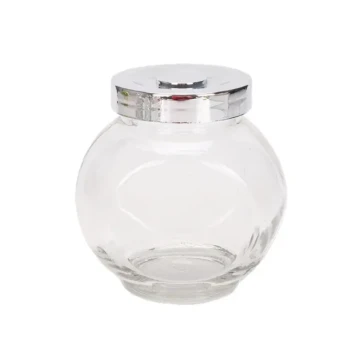
- Classic Drum Shaped Glass Honey Jar with Airtight Lid
- Classic Round Glass Honey Jar with Lid
People Also Ask
- What is the aesthetic appeal of using glass jars for honey? Elevate Your Brand with Premium Packaging
- What are the logistical challenges associated with using glass jars for honey packaging? Navigating Weight & Fragility
- What are the advantages of glass containers for honey? Elevate Quality and Market Value with Premium Packaging
- What are the technical advantages of using glass jars for honey? Master Commercial Packaging for Premium Purity
- What are the advantages of using glass jars for honey packaging? Preserve Purity & Elevate Your Brand