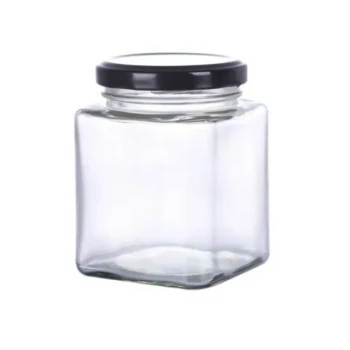
The primary logistical challenges of using glass jars for honey packaging are substantial weight increases and inherent fragility. An empty 1 lb glass jar typically weighs between 14 to 16 ounces, which drastically raises shipping costs compared to lightweight plastic alternatives. Furthermore, glass requires significant investment in protective materials—such as bubble wrap and reinforced boxes—to prevent breakage during transit.
The decision to use glass forces a trade-off between premium presentation and logistical efficiency; you must prepare for higher freight bills, rigorous packaging protocols, and strict limitations on how high you can stack inventory in storage.
The Cost of Heavy Materials
The most immediate logistical impact of glass is the sheer mass of the container itself.
The Freight Multiplier
Glass is heavy by nature. With a single empty jar weighing nearly a pound (14–16 oz), the weight of the packaging rivals the weight of the product itself. When shipping in bulk, this additional weight significantly increases fuel surcharges and freight costs.
Handling and Ergonomics
The increased weight affects every stage of the supply chain, from loading docks to retail shelves. Movers and packers deal with significantly heavier loads per pallet, which can slow down manual handling processes.
Operational Fragility and Storage
Beyond weight, the physical properties of glass introduce strict operational constraints.
Mandatory Protective Packaging
You cannot ship glass with the same casualness as plastic. To mitigate the high risk of shattering, you must invest in secondary packaging materials like dividers, bubble wrap, and double-walled corrugated boxes.
Stacking Limitations
Glass containers have structural limits regarding vertical pressure. Unlike certain plastics that might flex, glass will fail catastrophically if overloaded. This requires more structured storage solutions, as you cannot stack pallets of glass as high as other materials without risking structural failure.
Understanding the Trade-offs
While the logistical burdens are heavy, they exist to support specific product advantages. It is vital to understand what you gain in exchange for these higher costs.
Chemical Neutrality vs. Handling Risk
The fragility of glass is the price paid for its inert nature. Because glass is chemically neutral, it does not react with the honey or leach chemicals, ensuring the flavor and purity remain exactly as the bees produced it.
Barrier Properties vs. Weight
The density that drives up shipping costs also provides a superior barrier. Glass effectively blocks oxygen, moisture, and odors, which prevents fermentation and extends shelf life in a way lighter materials often cannot.
Visual Trust vs. Breakage
While breakage is a constant logistical threat, the transparency of glass allows consumers to inspect the honey's color, texture, and crystallization. This visual verification is a critical factor in establishing market trust and commanding a premium price.
Making the Right Choice for Your Goal
The choice between glass and alternative packaging depends entirely on your business model and distribution channel.
- If your primary focus is direct-to-consumer shipping or high volume: Consider lightweight alternatives to avoid the compounding costs of freight and the operational headaches of breakage claims.
- If your primary focus is premium retail presence and long-term preservation: Accept the logistical costs of glass to leverage its superior airtight sealing and the high-value aesthetic that drives consumer trust.
Logistics should not dictate quality, but they must dictate your budget; ensure your pricing model accounts for the heavy lift that glass requires.
Summary Table:
| Challenge Category | Logistical Impact | Impact Mitigation Requirements |
|---|---|---|
| Shipping Weight | High freight costs & fuel surcharges | Weight-based pricing adjustments |
| Durability | High risk of shattering during transit | Dividers, bubble wrap, reinforced boxing |
| Storage | Limited vertical stacking height | Structured shelving & pallet management |
| Handling | Increased labor strain/slower processing | Ergonomic tools & specialized handling |
| Cost Trade-off | Higher overhead per unit | Premium pricing & retail market focus |
Scale Your Apiary Efficiency with HONESTBEE
Whether you are transitioning from glass to high-efficiency packaging or scaling your honey production, HONESTBEE provides the commercial-grade solutions you need. We support commercial apiaries and distributors with a comprehensive range of beekeeping tools, honey-filling machines, and high-quality consumables designed to minimize logistical headaches and maximize profit.
Ready to optimize your supply chain and protect your harvest? Contact HONESTBEE today to explore our wholesale equipment and specialized hardware tailored for your business success!
Related Products
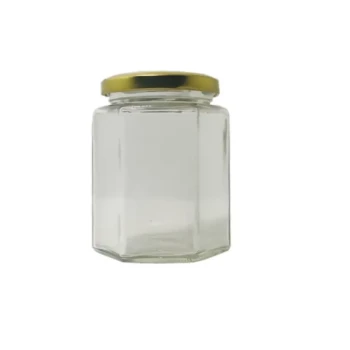
- Hexagonal Glass Honey Jars with Metal Lug Caps Elegant Versatile Packaging
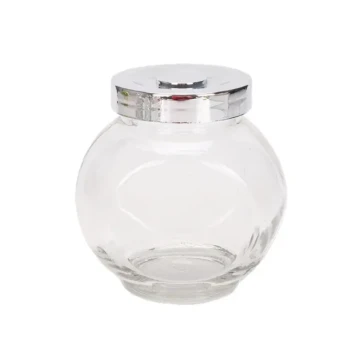
- Classic Drum Shaped Glass Honey Jar with Airtight Lid
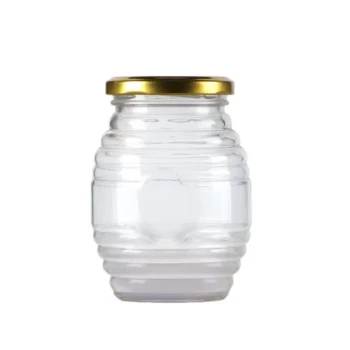
- Classic Glass Honey Jar with Metal Lug Cap for Beehive Storage
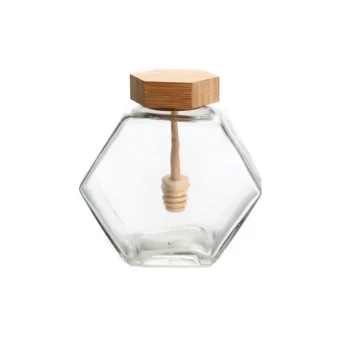
- Hexagonal Glass Honey Jar with Wooden Lid Integrated Dipper Elegant Functional Storage
- Classic Round Glass Honey Jar with Lid
People Also Ask
- What is the aesthetic appeal of using glass jars for honey? Elevate Your Brand with Premium Packaging
- What are the advantages of glass containers for honey? Elevate Quality and Market Value with Premium Packaging
- What are the technical advantages of using glass jars for honey? Master Commercial Packaging for Premium Purity
- What are the advantages of using glass jars for honey packaging? Preserve Purity & Elevate Your Brand
- What are the benefits of glass jars regarding strength and safety for storing honey? Ensure Purity and Long-Term Quality