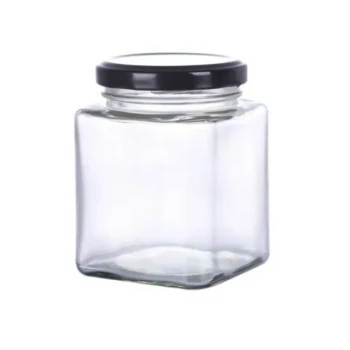
Glass represents the technical benchmark for commercial honey packaging due to its absolute chemical neutrality and superior barrier properties. It provides a stable, inert environment that preserves the product's biological integrity while offering complete visual transparency for immediate quality assessment.
Glass acts as a hermetic vault for honey, utilizing a dense molecular structure to block gas exchange and moisture migration. This preserves the honey's volatile aromatics and therapeutic enzymatic activity while eliminating the risk of chemical leaching often associated with synthetic packaging.
Preserving Chemical Integrity
Absolute Inertness
Glass is a chemically neutral material. It does not react with the acidic composition of honey, nor does it degrade over time. This ensures that the container itself does not alter the honey's quality or flavor profile, regardless of the storage duration.
Elimination of Chemical Leaching
Unlike plastic containers, which carry the risk of leaching plasticizers or other synthetic compounds into the product, glass prevents molecular migration. This is critical for maintaining the honey's purity exactly as it was harvested.
Protection of Biological Activity
Honey contains unstable antibacterial components, such as hydrogen peroxide, which serve as natural preservatives and medicines. Glass packaging effectively maintains the biological activity of these components, ensuring the stability of honey’s therapeutic efficacy.
Controlling the Physical Environment
Superior Moisture Barrier
Honey is hygroscopic, meaning it readily absorbs water from the air. The dense structure of glass creates an impermeable barrier against external moisture, preventing the honey from fermenting due to increased water content. Conversely, it prevents water evaporation, which helps stabilize crystallization textures.
Retention of Volatile Aromatics
The specific flavor profile of a honey variety relies on volatile aromatic substances. Glass offers excellent airtightness, locking these aromatics inside the jar to preserve the original bouquet and flavor intensity.
Oxidation and Browning Prevention
Glass provides a high oxygen barrier. By blocking the entry of oxygen, glass significantly slows down the oxidative browning process, keeping the honey lighter and fresher in appearance for longer periods.
Visual Quality Assurance
Immediate Purity Verification
The high transparency of glass is a functional technical advantage, not just an aesthetic one. It allows for the direct observation of crystallization levels, color depth, and overall purity without opening the container.
Market Trust Through Visibility
Because consumers can visually inspect the product for debris or spoilage mechanics, glass establishes immediate market trust. It allows producers to showcase the texture and premium quality of different varietals, such as raw or comb honey.
Understanding the Trade-offs
Logistics and Weight
The primary technical downside of glass is its density. An empty 1 lb glass jar can weigh between 14 to 16 ounces, significantly increasing shipping costs compared to plastic.
Fragility and Storage Limits
Glass has low impact resistance. This necessitates investment in reinforced packaging materials (bubble wrap, dividers) to prevent breakage during transport. Additionally, glass containers cannot be stacked as high as plastic drums in warehouses without risking structural failure.
Making the Right Choice for Your Goal
- If your primary focus is Therapeutic Grade or Raw Honey: Choose glass to prevent chemical leaching and preserve the delicate enzymatic activity and antibacterial properties of the product.
- If your primary focus is Long-Term Storage: Choose glass for its superior airtightness and moisture barrier, which prevents fermentation and oxidative browning over extended periods.
- If your primary focus is High-End Retail: Choose glass to leverage its transparency for visual quality assurance, allowing the customer to verify the purity and color of the honey before purchase.
Glass remains the superior choice when the priority is maintaining the exact chemical and sensory state of the honey from the hive to the consumer.
Summary Table:
| Technical Feature | Benefit for Honey | Impact on Commercial Quality |
|---|---|---|
| Chemical Inertness | Zero leaching or reaction | Maintains pure flavor and therapeutic integrity |
| Hermetic Barrier | Blocks moisture and oxygen | Prevents fermentation and oxidative browning |
| Aromatic Retention | Locks in volatile compounds | Preserves the honey's original bouquet and profile |
| Visual Transparency | Immediate quality assessment | Builds consumer trust through purity verification |
| Biological Stability | Protects enzymatic activity | Extends shelf life of natural antibacterial properties |
Elevate Your Honey Production with HONESTBEE
At HONESTBEE, we understand that premium honey deserves premium protection. Whether you are a commercial apiary or a distributor, we provide a comprehensive wholesale offering of professional-grade beekeeping tools, machinery, and equipment to ensure your honey meets the highest industry standards.
From advanced honey-filling machines designed for glass jar precision to essential consumables and specialized hardware, our solutions help you maintain product integrity and brand value. Let us help you scale your operations with the efficiency and quality your customers demand.
Ready to optimize your honey processing and packaging? Contact HONESTBEE Today to explore our full spectrum of wholesale equipment and merchandise.
References
- Aikaterini Frantzana. Therapeutic Properties of Honey. DOI: 10.34297/ajbsr.2019.04.000858
This article is also based on technical information from HonestBee Knowledge Base .
Related Products
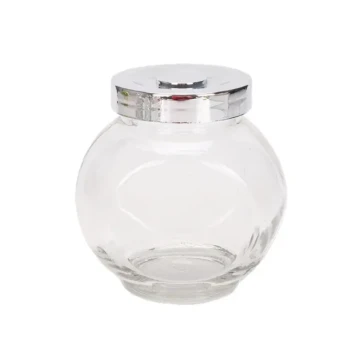
- Classic Drum Shaped Glass Honey Jar with Airtight Lid
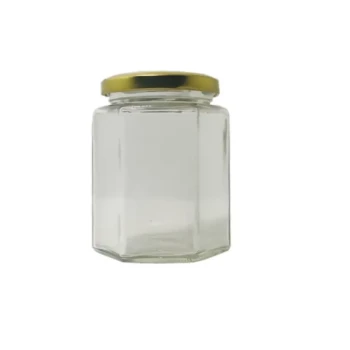
- Hexagonal Glass Honey Jars with Metal Lug Caps Elegant Versatile Packaging
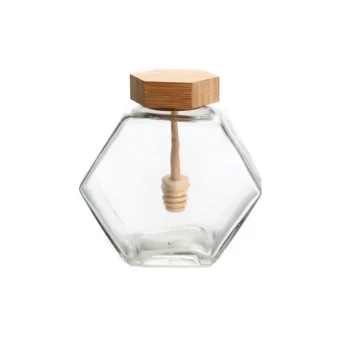
- Hexagonal Glass Honey Jar with Wooden Lid Integrated Dipper Elegant Functional Storage
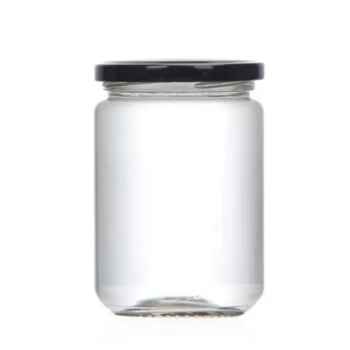
- Classic Glass Honey Jar with Metal Lug Cap for Beehive Storage
- Classic Round Glass Honey Jar with Lid
People Also Ask
- What is the best utensil to store honey? Preserve Purity with the Right Container
- How does the appearance of glass jar packaging affect the sales and perception of honey? Boost Your Premium Brand Value
- Why is a glass jar preferred for packaging honey? Ultimate Protection for Purity & Flavor
- What is the aesthetic appeal of using glass jars for honey? Elevate Your Brand with Premium Packaging
- What are the advantages of glass containers for honey? Elevate Quality and Market Value with Premium Packaging